



In today’s business world, efficiency is no longer limited to what happens inside the office. It now extends to how people move, how they manage time, and how companies think about productivity beyond traditional workspaces.
For years, commuting has been treated as a fixed cost of professional life. Employees sit in traffic, spend money on fuel or parking, and lose valuable time before the workday even begins. But as cities become more crowded and work schedules become more flexible, professionals are rethinking what daily transportation should look like.
One solution gaining attention is the ebike.
More than a recreational product, a commuter bike is becoming a practical tool for modern mobility. It helps professionals reduce commuting friction, gives companies a new way to think about employee convenience, and supports a lifestyle built around flexibility, sustainability, and smarter time management.
The New Definition of Professional Mobility
The traditional commute was built around predictable routines: drive to the office, park, work, and drive home. But the modern workplace no longer operates that way.
Hybrid work, flexible office hours, coworking spaces, client meetings, and multi-stop daily schedules have changed how professionals move through cities. A worker may need to visit the office in the morning, meet a client in the afternoon, and stop by a local shop or gym before heading home.
In this environment, the most valuable transportation option is not always the largest or fastest one. It is the one that adapts.
An ebike fits this shift because it supports short-to-medium-distance travel with less dependence on traffic, parking, or public transit delays. It gives riders more control over their daily movement while still offering motor assistance for longer routes, hills, or busy urban schedules.
Time Is a Business Asset
For CEOs, founders, managers, and professionals, time is one of the most valuable assets.
A long commute does not only affect personal energy. It also influences focus, punctuality, and overall productivity. When employees begin their day stressed from traffic or delayed by transportation issues, that stress can carry into meetings, decision-making, and workplace performance.
This is where electric bikes deserve more serious attention.
An ebike can help reduce the unpredictability of short urban commutes. Riders can often use bike lanes, avoid parking searches, and take more direct local routes. For professionals living within a reasonable distance of the office, this can turn commuting from a daily frustration into a more controlled and manageable routine.
The result is not just faster movement. It is a better start to the workday.
A Practical Tool for Hybrid Workers
Hybrid work has created a new commuting pattern. Many professionals no longer travel to the office five days a week, but when they do, they still need transportation that is reliable and convenient.
For this group, owning a full car-based commuting system can feel inefficient. Fuel costs, insurance, parking fees, and maintenance may not make sense for occasional office days or short local trips. Public transit can work well in some cities, but it may not offer enough flexibility for people with changing schedules.
An ebike offers a middle ground.
It is more efficient than walking, more flexible than many transit routes, and lighter than car ownership for daily short-distance travel. For hybrid workers who value independence and time control, electric bikes can become a highly practical solution.
Sustainability Is Becoming a Leadership Issue
Sustainability is no longer only a branding topic. It is increasingly connected to operational decisions, corporate culture, and long-term reputation.
Companies are being evaluated not just by what they sell, but by how they think about energy use, employee wellness, and environmental responsibility. Transportation plays a role in that conversation.
Encouraging lower-impact commuting options can help businesses show that sustainability is part of everyday practice, not just annual reporting. While not every employee can replace a car commute with an electric bike, many short-distance trips can be handled more efficiently with smaller mobility solutions.
For organizations building greener workplace cultures, supporting e-bike commuting can be one practical step. This may include secure bike parking, charging access, commuter incentives, or wellness programs that encourage active transportation.
Why Professionals Are Looking for Comfort and Capability
A professional commuter does not choose an electric bike only for speed. Practical features matter more.
Comfort, riding stability, battery range, braking performance, and everyday usability all influence whether a rider will use an e-bike consistently. A model that feels uncomfortable or underpowered may be used only occasionally. A well-designed one can become part of a real daily routine.
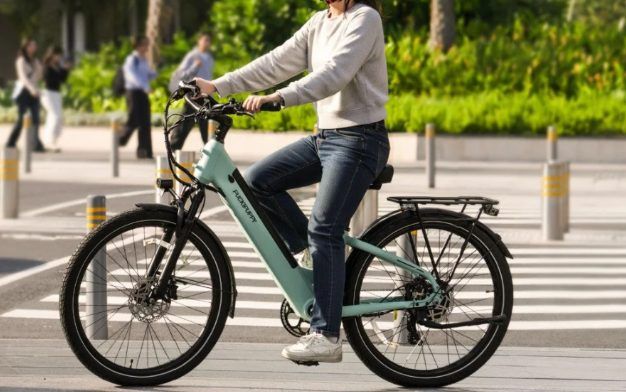
That is why brands such as PUCKIPUPPY are increasingly relevant in the conversation around modern electric mobility. For riders looking for a balance between practical commuting, comfort, and versatile everyday riding, PUCKIPUPPY offers e-bike options designed for real-world use rather than short novelty rides.
For business professionals, the value is clear: the right e-bike should make transportation easier, not more complicated.
The Productivity Benefit of Active Commuting
There is also a human side to the rise of e-bikes.
Modern professionals often spend long hours in front of screens, moving from one meeting to another with little physical activity during the day. A commute that includes light movement and outdoor exposure can help create a healthier rhythm.
Unlike a traditional bicycle, an electric bike does not require every ride to become a workout. Motor assistance allows riders to control effort levels, arrive without feeling exhausted, and still enjoy the benefits of movement and fresh air.
This makes e-bikes especially appealing for people who want a more active lifestyle but do not want to arrive at work overly tired or sweaty.
In business terms, better daily energy can translate into better focus, better mood, and more consistent performance.
The Cost Conversation Is Changing
When people compare transportation options, they often focus only on the purchase price. But the smarter business-minded approach is to look at total cost of ownership.
Cars involve fuel, insurance, parking, repairs, registration, and depreciation. Public transit and rideshare services also create recurring expenses. For short and repeated urban trips, these costs can add up quickly.
An electric bike may require an upfront investment, but its ongoing costs are often lower than car-based commuting. Charging is inexpensive, maintenance is generally more manageable, and parking is far simpler.
For individuals and companies evaluating mobility through a long-term cost lens, e-bikes deserve a serious place in the conversation.
What Businesses Can Learn From the Ebike Trend
The rise of the ebike reflects a broader business lesson: people are looking for tools that make life simpler, more flexible, and more efficient.
The most successful mobility solutions are not always the most complex. They are the ones that solve daily problems in a practical way. Electric bikes do this by addressing several pain points at once: commuting time, transportation cost, personal wellness, environmental concerns, and urban flexibility.
For business leaders, this trend is worth watching. It shows how consumer behavior is shifting toward products that combine utility with lifestyle value. People do not just want transportation. They want transportation that fits the way they actually live and work.
The Executive Takeaway
The ebike is not just a transportation trend. It is part of a larger shift in how professionals think about efficiency, independence, and sustainable living.
For individuals, it can make commuting more predictable and less stressful. For companies, it can support employee wellness and greener workplace habits. For cities, it offers a lighter, more flexible alternative to car-heavy short-distance travel.
As work continues to evolve, mobility will evolve with it. The professionals and businesses that understand this shift early will be better positioned to build smarter, more adaptable daily routines.
In a world where every minute, dollar, and decision matters, the ebike is no longer just a lifestyle product. It is becoming a practical tool for modern professional life.


