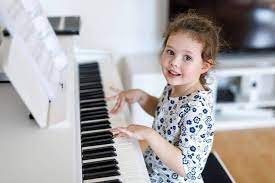
Introducing a child to music at an early age can positively impact cognitive development, creativity, and discipline. Learning an instrument enhances motor skills and helps with concentration and emotional expression. Choosing the right instrument plays a significant role in shaping a child’s musical journey, making the learning process enjoyable rather than overwhelming.
The piano is an ideal choice for beginners because of its straightforward layout and accessibility. Unlike string or wind instruments, it does not require advanced finger coordination or breath control to produce sound. Many parents opt for online piano classes to help their children learn in a structured and engaging way. This article will highlight why this instrument is the best starting point and how it benefits young learners.
Easy to Learn and Play
Some instruments require complex hand positioning or strong finger dexterity before producing a clear sound. This can discourage children who are just beginning their musical exploration. The piano allows young learners to press keys effortlessly and hear an immediate response, making the process encouraging from the start.
Since the notes are arranged linearly, recognising patterns and understanding scales becomes more intuitive. Beginners can grasp simple melodies within a short time, boosting their confidence and motivating them to continue practising. As children advance, they can transition to more intricate pieces without struggling with fundamental techniques.
Builds Strong Musical Foundations
The piano serves as an excellent introduction to music theory. Reading notation, understanding rhythm, and identifying patterns become easier when a child learns on this instrument. Each key represents a distinct pitch, making it simple to visualise intervals and recognise musical structure.
With a strong foundation in note recognition and timing, transitioning to other instruments becomes much smoother. Many accomplished musicians started with keyboard-based lessons before moving on to more specialised choices. Early exposure to organised lessons helps children develop an ear for harmonies and melodies, which is crucial for overall musical growth.
Improves Cognitive and Motor Skills
Playing an instrument requires hand coordination, memory retention, and concentration. Regular practice strengthens neural connections in the brain, leading to improved problem-solving abilities and better academic performance. Research has shown that children who engage in music lessons tend to excel in subjects like mathematics and reading comprehension.
- Enhances hand-eye coordination through precise finger movements.
- Improves memory by reinforcing note patterns and musical sequences.
- Encourages multitasking as children read music while playing simultaneously.
- Strengthens concentration and patience through structured practice.
Adaptable to Different Learning Styles
Every child learns at their own pace, and having an instrument that accommodates different approaches is essential. The piano is suitable for both visual and auditory learners, as it provides clear note placement and immediate feedback when a key is played.
Children who prefer structured guidance benefit from sheet music and step-by-step lessons, while those with a more exploratory nature can experiment with sounds freely. Parents can also enrol their children in online piano classes, which offer flexibility and tailored instruction. Virtual lessons make it easier to practice consistently without the need for frequent in-person sessions.
Develops Discipline and Patience
Mastering an instrument requires dedication and perseverance. Unlike digital games or instant entertainment, learning to play takes time and effort. Regular practice sessions teach children the importance of consistency and commitment, which are valuable life skills.
The gradual progression from simple melodies to complex compositions reinforces patience. Each small achievement provides motivation, reinforcing the idea that effort leads to success. These lessons in persistence and discipline extend into other areas of a child’s education and personal development.
Planning for online piano classes provides an excellent opportunity for children to develop musical skills while enjoying a structured and engaging learning experience. With its simple layout, cognitive benefits, and adaptability, the piano remains the best first instrument for young learners. Encouraging children to explore music through this instrument sets a strong foundation.