



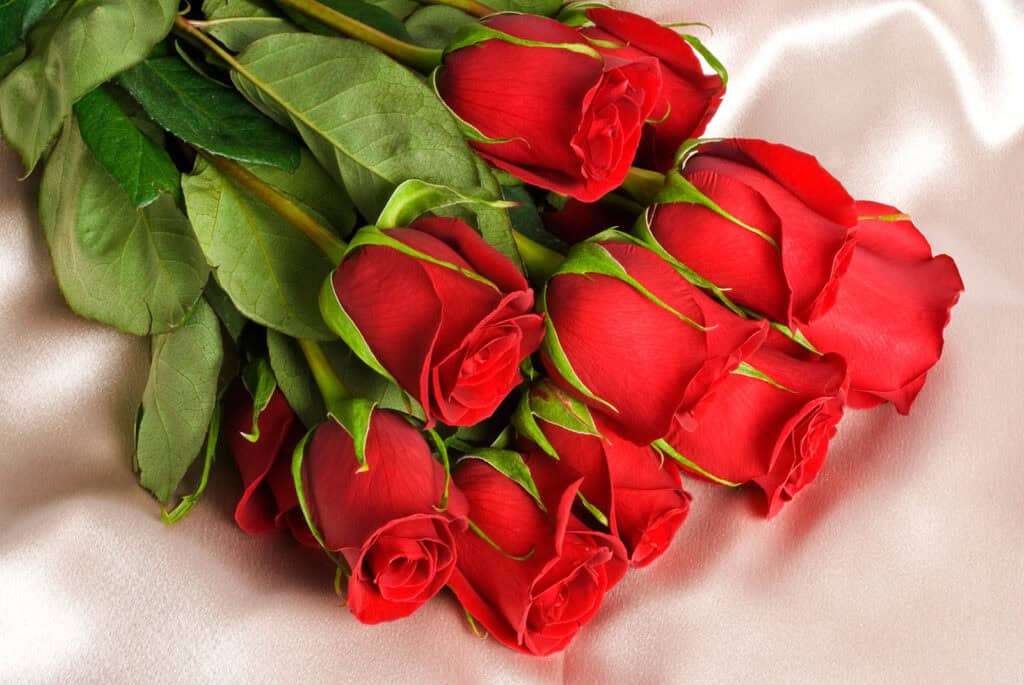
A rose has spoken the language of emotion for centuries. Long before cards or messages, people relied on simple symbols. A rose was one of them.
Even today, that symbol still works — especially when it is just one.
When people think about buying roses, they often imagine grand gestures or a full rose bouquet. But emotion does not always need scale. Sometimes, it needs clarity.
One rose does not try to impress. It tries to communicate.
It shows that you paused. It shows that you chose carefully.
A dozen roses may look grand. A single rose feels intentional. It places focus on emotion instead of quantity. That focus is what often makes it stronger. When someone receives one rose, they pay attention to the gesture itself — and that moment stays with them longer.
Rose Love History
The rose earned its place through repeated cultural meaning. Ancient civilisations used roses during ceremonies connected to love and devotion. In Roman and Greek traditions, roses appeared in stories linked to desire and connection.
Over time, writers adopted the rose as a symbol for emotions that could not be spoken openly.
The flower’s structure played a role too. Soft petals suggested tenderness. Thorns suggested caution. People related to that contrast. Love felt the same way — gentle at times, difficult at others.
Because the rose mirrors real emotional experience, it remains relevant even today — whether you choose a single stem or a carefully arranged rose bouquet.
Colour Speaks Emotion
Colour changes how a rose is received. It guides interpretation without explanation. Each shade fits a different emotional moment.
Red Rose
A red rose is chosen when emotion is already established. It suits relationships where feelings are certain. This rose works best when love has depth and history. It reflects assurance rather than discovery.
For someone buying roses for a romantic partner, red remains the most intentional choice.
Pink Rose
Pink roses fit moments of appreciation and care. They work when affection is present but still unfolding. This rose suits early relationships or moments of gratitude. It communicates thoughtfulness without pressure.
White Rose
White roses are selected for clarity. They suit moments that need reassurance or honesty. This colour fits relationships grounded in trust. It feels steady and sincere.
Yellow Rose
Yellow roses suit bonds built on comfort and friendship. They express warmth and positivity without intensity. A yellow rose bouquet works well when the gesture is about support rather than romance.
Before You Gift: A Quick Self-Check
Before giving a rose, pause.
Is it meant to comfort someone?
Is it meant to acknowledge effort?
Is it meant to mark a new beginning?
Think about timing. A rose given at the right moment feels powerful. Think about the receiver. Do they value subtle gestures or expressive ones?
This small reflection turns buying roses into a deliberate act rather than an automatic purchase.
Effort Over Excess
Choosing one rose requires restraint. It means trusting the message rather than amplifying it.
Excess can hide intention. Simplicity reveals it.
A single rose shows you did not rely on scale. You relied on meaning.
Many people assume a larger rose bouquet carries more impact. But often, Choosing the Right Rose for Every Occasion makes it more personal. The effort is not in spending more. It is in choosing thoughtfully.
Why One Rose Stays in Memory
People remember how a gift made them feel.
One rose creates a clear memory. The receiver remembers the moment. They remember the intention. There is nothing else competing for attention.
That clarity strengthens emotional recall. And that is why one rose can stay in memory longer than many.
Final Thought
You do not always need to say more. Sometimes, less carries deeper meaning.
Whether you are buying roses for a milestone, an apology, or a quiet expression of love — remember this: intention matters more than quantity.
Choose the rose.
Let the feeling speak.


