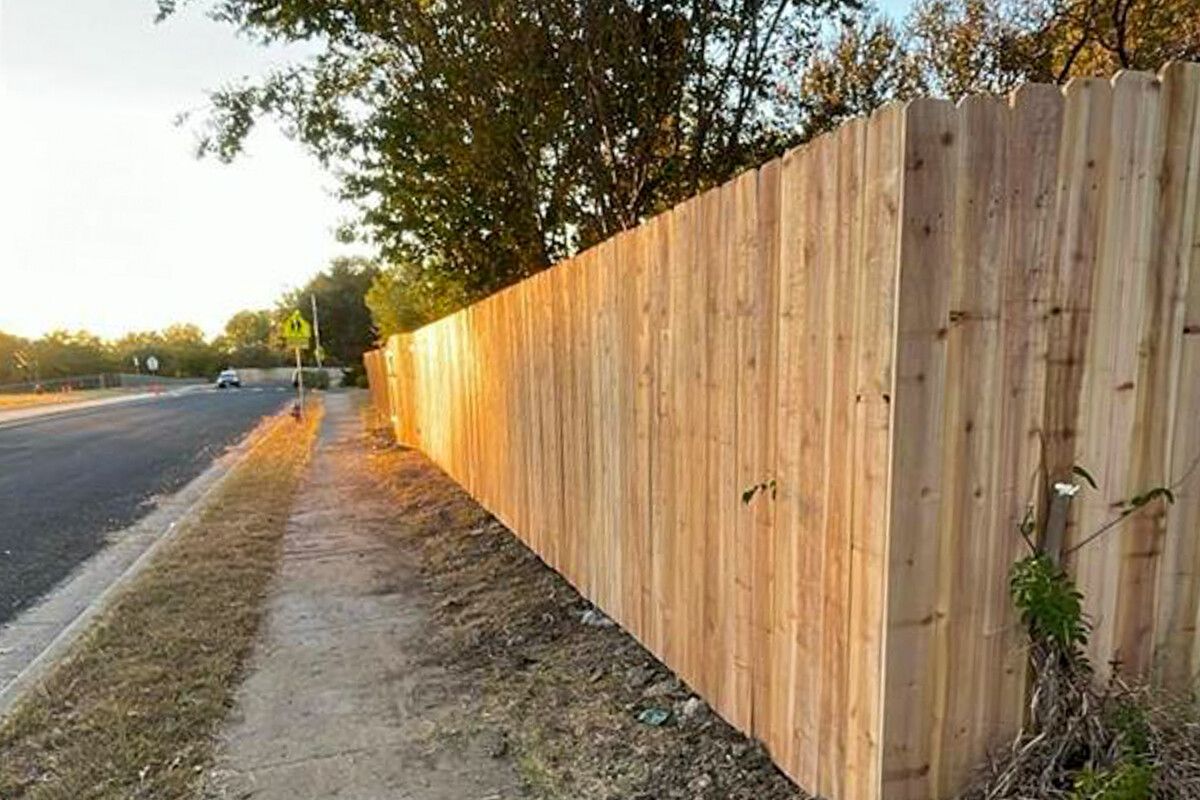
Austin isn’t the kind of city where a generic fence holds up for long. The soil shifts. The summers drag on with dry heat that pulls moisture from every board. Then the rain shows up all at once and reminds you who’s really in charge. In that environment, a fence isn’t just a boundary line. It’s a structure that has to earn its place. That’s why homeowners who care about longevity and appearance eventually land on custom fencing in Austin TX.
You can spot the difference from the street. The prebuilt panels installed in a rush tend to lean after a few seasons. The gates sag. The seams don’t line up with the grade. A custom-built fence, on the other hand, looks intentional. It follows the land. It stands straight. It feels like it belongs there.
Built for Austin’s Expansive Clay
If you’ve lived here long enough, you’ve seen what our soil does to foundations and sidewalks. The same pressure affects fence posts. Austin’s clay expands when wet and contracts during drought. That constant movement stresses anything set shallow or poorly reinforced.
Custom fencing in Austin, TX, isn’t just about design. It’s about depth, spacing, and proper anchoring. Posts need to be set with enough depth and concrete support to handle that expansion cycle. Drainage needs to be considered. Corners require reinforcement. Skip those steps,s and the fence may look fine for six months, maybe a year. After that, the repairs begin.
Spartan Custom Fencing approaches installations with those realities in mind. They don’t treat a sloped backyard in Southwest Austin the same way they treat a flat lot in Cedar Park. And they shouldn’t. The ground doesn’t behave the same.
Privacy That Actually Feels Private
Austin has grown fast. Homes sit closer together than they used to. What once felt like a spacious yard can feel exposed, especially in newer developments. A standard six-foot panel sometimes leaves gaps where boards shrink or warp.
With custom fencing in Austin, TX, board placement, overlap, and height are intentional. Board-on-board designs block sightlines even as wood naturally contracts. Gates are built with stronger frames so they don’t twist under their own weight. Latches hold firm instead of rattling loose after a few months.
Privacy isn’t just about blocking a view. It’s about comfort. When you’re in your backyard, you should feel like you’re in your own space. A well-built fence delivers that without looking bulky or overbuilt.
Design That Matches the House
Drive through different neighborhoods around Austin,n and you’ll see how dramatically architectural styles shift. Modern builds in East Austin. Traditional brick homes in Round Rock. Ranch-styleproperties ares further out. A cookie-cutter fence rarely complements all of them.
Custom fencing in Austin, TX, allows homeowners to select materials and proportions that align with the house itself. Cedar remains a favorite because it handles Texas weather well and ages with character. Horizontal slat designs suit modern homes. Ornamental iron works beautifully on front-facing sections where visibility matters.
Spartan Custom Fencing often collaborates with homeowners on these choices. Sometimes it’s a subtle detail, like cap trim or post spacing, that makes the difference between average and refined.
Slopes, Corners, and the Realities of Austin Lots
Very few properties here are perfectly level. Some yards roll gently. Others drop sharply toward greenbelts or drainage areas. Forcing prefab panels across uneven ground leaves awkward gaps underneath or jagged top lines that catch the eye immediately.
Custom fencing in Austin, TX adapts to the land. Panels can be stepped or contoured to follow grade changes. Gates can be widened for side-yard access. Reinforcements can be added where erosion might become an issue. These adjustments aren’t cosmetic. They prevent long-term structural strain.
There’s a practical satisfaction in seeing a fence that follows the slope cleanly. It signals that someone paid attention.
Long-Term Cost, Not Short-Term Price
It’s tempting to choose the lowest quote. Many homeowners do. Then five years later,r they’re calling for replacements.
Higher-grade cedar, properly spaced pickets, sturdy rails, and correctly set posts cost more upfront. But they also reduce ongoing maintenance. Fewer warped boards. Fewer leaning sections. Less frustration.
Spartan Custom Fencing builds with that long view in mind. A fence should last. It shouldn’t become a recurring expense.
Navigating HOA Requirements
Austin neighborhoods can be particular. Height restrictions. Approved stains. Specific materials. Installing somethingoutside thee guidelines can lead to costly corrections.
Working with professionals familiar with these regulations helps avoid that headache. Custom fencing in Austin, TX, isn’t just about aesthetics; it’s about compliance, planning, and doing it right the first time.
Beyond Single-Family Homes
Fencing needs shift when you’re managing duplexes or multifamily units. Durability becomes even more critical. Gates see more traffic. Hardware needs to withstand heavier use.
Spartan Custom Fencing handles these larger projects as well. If you’re managing a complex or rental property, working with an experienced apartment fencing contractor in Austin ensures consistency across units and long-term structural reliability.
Work with a Team That Knows the Ground
There’s a noticeable difference between a fence installed quickly and one installed carefully. The latter stands straighter. It feels solid when you close the gate. It doesn’t creak in the wind.
If you’re considering an upgrade, reach out to Spartan Custom Fencing through their website at the website and schedule a consultation. Walk the yard with someone who understands local soil, weather, and design standards. Invest once. Build it properly. That’s the real value of custom fencing in Austin, TX.
FAQs
How long does a custom fence typically last in Austin?
With quality cedar or metal and proper installation, 15 to 25 years is realistic. Maintenance extends that lifespan.
Is cedar better than pressure-treated wood?
Cedar naturally resists insects and decay. Pressure-treated wood can be durable but may warp more noticeably over time.
Do sloped yards increase installation costs?
Sometimes. Adjustments for grade require additional planning and labor, but they prevent structural issues later.
Are permits required in Austin?
Permit requirements vary depending on hei ght and location. HOA approval may also be necessary.
How soon can installation begin?
Timelines depend on material availability and scheduling, but most residential projects are completed within a few days once underway.