



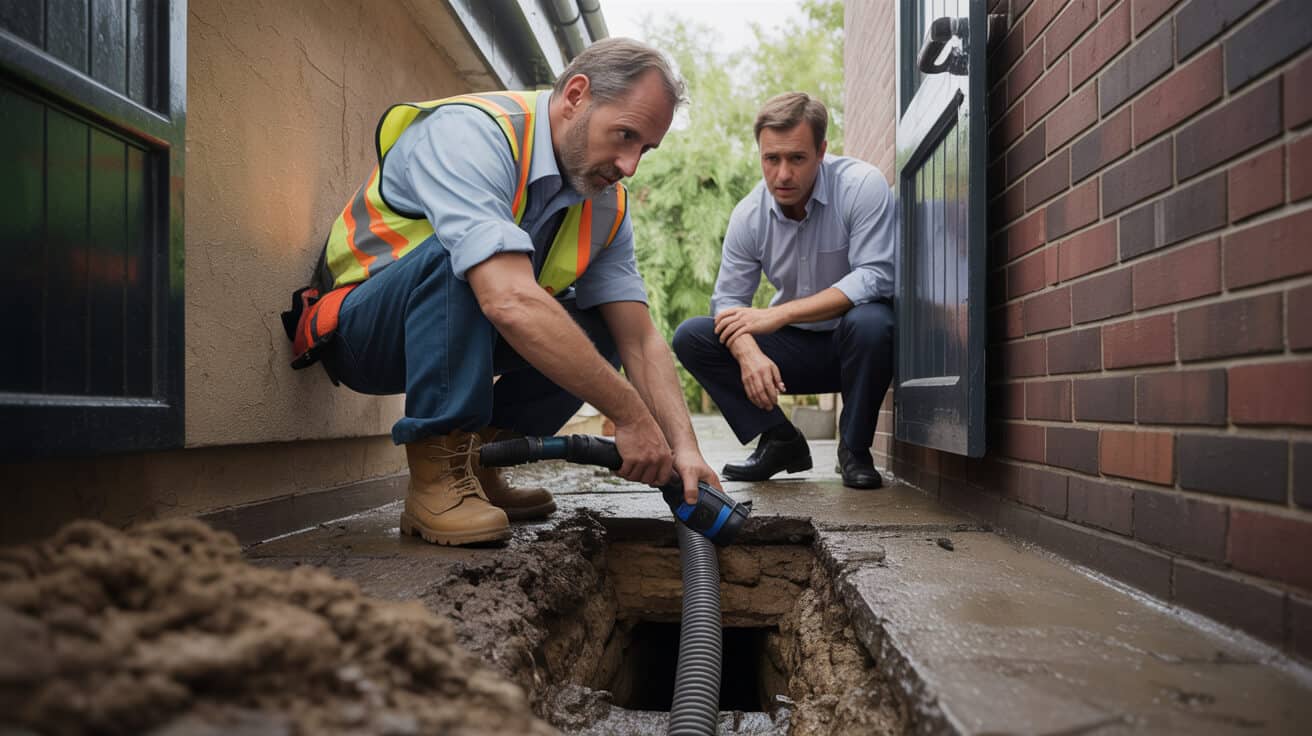
Drainage problems can affect any type of building, from a small terraced house to a large commercial complex. Issues such as blocked pipes, surface water flooding and underground defects – including commonly searched concerns like blocked drains Brighton – are not exclusive to one sector; they are an inherent risk wherever wastewater and stormwater systems are in use. However, while the underlying mechanics of drainage remain the same, the scale and consequences of failure can vary dramatically depending on the type of property involved.
In commercial settings, drainage systems are subjected to significantly higher volumes, heavier daily usage and far greater operational demands than those found in most residential homes. Restaurants, office buildings, retail units, warehouses and industrial sites all rely on infrastructure that must perform consistently under pressure. When problems arise, the implications extend beyond inconvenience – they can disrupt business operations, create health and safety concerns, and expose property owners or managers to regulatory and financial risk. Experienced regional specialists such as DrainBoss Plumbing & Drainage, who support both commercial and domestic clients across the South East of England, regularly highlight the stark contrast between residential call-outs and large-scale commercial drainage challenges.
Understanding the fundamental differences between residential and commercial drainage systems is therefore essential. By recognising where the risks are higher and why, property owners and facilities managers can make informed decisions about maintenance, inspections and emergency planning – ultimately reducing the likelihood of costly damage, operational downtime and long-term structural consequences.
Higher Wastewater Volumes and System Load
One of the most significant differences between residential and commercial drainage systems is the sheer volume of wastewater they are required to handle. A typical household may generate wastewater from bathrooms, a kitchen and domestic appliances, serving a limited number of occupants. In contrast, a restaurant, office building, hotel or warehouse can produce many times that volume on a daily basis – often within concentrated peak hours.
For example, a busy restaurant may discharge wastewater continuously throughout service, including food preparation areas, wash basins and customer facilities. An office building with multiple floors may see hundreds of employees using toilets and sinks within short timeframes. Hotels operate almost around the clock, with bathrooms, laundry facilities and kitchens placing constant demand on the system. Even warehouses and light industrial units may rely on extensive drainage infrastructure for staff amenities and operational processes.
Unlike most homes, which experience fluctuations in usage throughout the day, commercial premises often operate seven days a week, and in some cases 24 hours a day. This sustained demand places continuous pressure on:
- Internal pipework and branch connections
- Underground drainage runs
- Manholes and inspection chambers
- Surface water gullies and external drainage points
- Main sewer connections
Over time, this increased load accelerates wear and tear. Higher flow rates can contribute to debris accumulation, particularly where waste materials are heavier or more complex than standard domestic discharge. The result is a greater likelihood of blockages forming within pipework, increased risk of backflow during peak demand, and gradual pipe fatigue caused by sustained hydraulic pressure.
In short, commercial drainage systems are not simply “larger versions” of residential ones – they are high-demand infrastructure networks operating under far more intense and continuous strain. Without proactive management, that strain can quickly translate into operational disruption and costly repairs.
More Complex Drainage Infrastructure
Beyond higher volumes, commercial properties typically operate far more complex drainage networks than residential homes. While a standard house may have a relatively straightforward system consisting of a single soil stack, a few branch lines and one main underground run, commercial buildings often feature extensive and multi-layered infrastructure.
Larger premises commonly include numerous pipe connections serving different zones, multiple inspection chambers for access and maintenance, dedicated surface water drainage systems and, in certain sectors, grease management installations to control waste discharge. External drainage runs may extend across car parks, service yards and landscaped areas, linking into both foul and surface water systems.
It is also common to find multiple soil stacks in multi-storey commercial buildings, each serving separate areas or floors. These stacks connect into underground networks that may branch in several directions before reaching the main sewer connection. The more junctions and connection points a system has, the greater the potential for faults to develop.
The table below highlights some key structural differences:
| Feature | Residential Property | Commercial Property |
| Number of soil stacks | Typically one | Often multiple across floors |
| Inspection chambers | Limited access points | Numerous chambers for large networks |
| Surface water systems | Basic gutter and gully connections | Extensive gullies, channels and external drains |
| Underground runs | Short and direct | Long, multi-branch networks |
| Grease or waste control systems | Rare | Common in hospitality and catering settings |
Because of this complexity, diagnosing problems in commercial systems is rarely straightforward. Blockages may occur far from visible fixtures. Structural defects can develop beneath concrete floors, car parks or landscaped areas. Misaligned joints, root ingress or partial collapses may remain undetected until they cause significant disruption.
Without professional diagnostic equipment such as high-definition CCTV surveys and specialist testing methods, identifying the precise cause and location of an issue can be extremely challenging. This increases the risk of hidden defects going unnoticed – allowing minor faults to escalate into major drainage failures over time.
In commercial environments, complexity is not just a design feature; it is a risk factor. The more intricate the system, the greater the need for structured monitoring and expert assessment.
Increased Legal and Regulatory Responsibility
In commercial settings, drainage is not simply a maintenance issue – it is also a matter of legal responsibility. Property owners, landlords and facilities managers in the UK are subject to statutory duties that require them to ensure their premises are safe, hygienic and environmentally compliant. Unlike residential homeowners, commercial duty holders may face formal enforcement action if drainage systems are not properly maintained.
Under UK legislation, those responsible for commercial premises must take reasonable steps to prevent foreseeable risks. This includes maintaining drainage infrastructure in a condition that does not pose a threat to public health, neighbouring properties or the wider environment. Failing to do so can lead to investigation by local authorities or environmental regulators.
Environmental compliance is a particularly important consideration. Commercial sites must ensure that wastewater and surface water are discharged correctly and that contamination of land or watercourses does not occur. A blocked or damaged drain that results in polluted runoff, foul water escape or cross-contamination between foul and surface systems may trigger regulatory scrutiny.
There are also clear Health & Safety implications. Flooding, sewage backing up into occupied areas, or overflowing external drains can create slip hazards, expose employees and visitors to harmful bacteria, and render parts of a building unusable. Employers have a duty of care under health and safety law to provide a safe environment, and drainage failures can compromise that obligation.
The financial consequences can be significant. In the event of sewage escape or flooding, commercial property owners may face:
- Fines or enforcement notices from local authorities
- Environmental penalties where pollution has occurred
- Insurance complications or increased premiums
- Claims from tenants, customers or neighbouring businesses
- Reputational damage affecting future trade
For commercial properties, drainage risk is therefore not limited to repair costs alone. It carries regulatory, environmental and liability exposure that demands a more structured and proactive approach than is typically required in residential settings.
Financial Impact of Drainage Failure in Commercial Settings
When drainage systems fail in a residential property, the consequences are usually inconvenient and costly for the homeowner. In commercial premises, however, the financial impact can escalate rapidly and extend far beyond the immediate repair.
One of the most immediate concerns is business interruption. A blocked or collapsed drain can force parts of a building – or even the entire premises – to close temporarily. Restaurants may be unable to operate without functioning kitchen and washroom facilities. Offices may have to send staff home. Retail units may lose trading hours during peak periods. Even a short period of downtime can translate into substantial lost revenue.
Customer loss is another critical factor. If clients arrive to find a business closed due to flooding or drainage issues, they may not return. In sectors such as hospitality, leisure and retail, reliability and customer confidence are essential. Repeated operational disruptions can drive customers towards competitors.
Drainage failures can also cause direct physical damage. Sewage backflow or internal flooding may affect:
- Stock and stored goods
- Electrical systems
- IT infrastructure
- Fixtures and fittings
- Flooring and interior finishes
In warehouses, retail units and manufacturing environments, damaged inventory alone can represent a significant financial setback. Where specialist equipment is involved, replacement or repair costs may be particularly high.
Insurance complications often add another layer of difficulty. While many commercial policies provide cover for escape of water or sewage, claims can be complex. Insurers may require evidence of regular maintenance and proper system management. In some cases, insufficient upkeep can result in reduced payouts or increased premiums at renewal.
Beyond tangible losses, reputational risk should not be underestimated. Visible drainage issues, unpleasant odours or reports of sewage flooding can quickly damage a company’s public image. In today’s environment of online reviews and social media visibility, reputational harm can spread rapidly and have long-term consequences.
For commercial property owners and operators, drainage failure is therefore not merely a repair issue – it is a business continuity risk. The potential financial exposure reinforces the need for structured maintenance and early intervention before minor issues escalate into major disruptions.
Surface Water and External Drainage Risks
Commercial properties are often characterised by large external areas that significantly increase drainage exposure. Unlike most residential homes, which may have limited driveway space and modest roof runoff, commercial premises frequently include expansive car parks, loading bays, service yards and access roads. All of these surfaces generate substantial volumes of surface water during periods of rainfall.
To manage this runoff, commercial sites rely on a network of external drainage features such as catch pits, road gullies, channel drains and, in some locations, culverts. These systems are designed to collect and redirect rainwater efficiently, preventing pooling and protecting both the building structure and surrounding land.
However, external drainage systems are particularly vulnerable to blockages. Common causes include:
- Fallen leaves and organic debris
- Litter and packaging waste
- Sediment and silt accumulation
- Construction materials or rubble
- Oil and residue from vehicle traffic
In high-traffic environments such as retail parks or industrial estates, debris can build up quickly. Without regular clearance, gullies and catch pits become restricted, reducing the system’s ability to cope with heavy rainfall.
This issue is especially relevant in parts of the South and South East of England, where periods of intense rainfall can overwhelm poorly maintained surface water systems. When drainage capacity is compromised, the result may be standing water across car parks, flooding near entrances, or water ingress into ground-floor areas.
Beyond inconvenience, external flooding presents safety risks for pedestrians and vehicles, increases slip hazards, and may disrupt deliveries or access for emergency services. Over time, persistent surface water can also contribute to ground instability and deterioration of paved areas.
For commercial properties, effective management of surface water drainage is therefore just as important as maintaining internal foul systems. External infrastructure is exposed, vulnerable and heavily dependent on routine inspection to remain fully operational during adverse weather conditions.
Emergency Response Expectations Are Different
When a drainage issue occurs in a residential property, it is understandably disruptive and unpleasant. However, in most cases, the impact is confined to the household. Daily routines may be affected, but the consequences are usually limited to inconvenience, temporary loss of facilities and repair costs.
In commercial settings, the situation is very different. A serious blockage, sewage backflow or external flooding can bring business operations to an immediate halt. Staff may be unable to work safely, customers may be turned away, and sections of the premises may have to be closed. In sectors such as hospitality, healthcare, retail or logistics, even a few hours of disruption can have significant operational and financial implications.
Because of this, response expectations in commercial environments are considerably higher. Businesses often require:
- Rapid attendance to minimise downtime
- Clear diagnosis and transparent reporting
- Immediate containment of health and safety risks
- Minimal disruption to staff and customers
- Out-of-hours availability to avoid peak trading losses
Unlike many residential call-outs, commercial drainage emergencies frequently demand 24/7 availability. Problems do not wait for convenient hours, and overnight response can sometimes prevent daytime closure altogether.
Fast and accurate diagnosis is also critical. High-definition CCTV inspections allow engineers to identify the exact location and cause of a blockage or defect without unnecessary excavation. High-pressure water jetting can then be deployed swiftly to restore flow and reduce the risk of recurrence. In complex systems, speed and precision are essential to prevent escalation.
For commercial property owners and facilities managers, drainage support is not simply about fixing a pipe – it is about protecting business continuity. The expectation is not just repair, but rapid stabilisation and minimal operational impact.
Preventative Maintenance Is Critical in Commercial Properties
Given the higher loads, increased complexity and greater financial exposure associated with commercial drainage systems, a reactive approach is rarely sufficient. Waiting until a blockage occurs or flooding becomes visible often means the issue has already escalated – bringing with it operational disruption and avoidable expense.
Regular inspections form the foundation of effective preventative maintenance. Periodic checks of internal and external drainage points, manholes and surface water systems allow early identification of debris build-up, structural movement or minor defects before they develop into serious failures. In larger premises, planned CCTV surveys can provide valuable insight into the condition of underground pipework that would otherwise remain out of sight.
Scheduled high-pressure jetting is another key preventative measure. Rather than responding to repeated blockages, commercial properties benefit from routine cleaning programmes that remove grease, silt and accumulated debris in advance. This is particularly important in high-usage environments such as hospitality venues, multi-occupancy offices and industrial units.
Condition reporting also plays a crucial role in asset management. Documented inspections and maintenance records help property owners:
- Demonstrate compliance with duty-of-care obligations
- Support insurance claims where necessary
- Plan capital expenditure for future repairs
- Prioritise works based on risk assessment
From a long-term perspective, drainage infrastructure is a critical asset. Pipework, chambers and surface water systems represent a significant investment and form part of the overall structural integrity of the site. Proactive maintenance protects that investment and extends the operational lifespan of the network.
By contrast, a purely reactive approach often proves more expensive. Emergency call-outs, business interruption, remedial works and potential regulatory involvement can far exceed the cost of structured preventative programmes. In commercial environments, prevention is not merely good practice – it is a cost-control strategy and a fundamental component of responsible property management.
Key Differences at a Glance: Residential vs Commercial Drainage
While both residential and commercial properties rely on effective drainage systems, the scale, complexity and risk profile differ considerably. The comparison below highlights the most important distinctions:
| Residential | Commercial |
| Lower daily wastewater volume | High, continuous usage throughout the day (and often night) |
| Simpler pipe network with limited branches | Complex, multi-branch systems serving large areas and multiple floors |
| Fewer occupants and lower peak demand | High footfall and concentrated peak demand |
| Limited financial exposure if failure occurs | Major operational, financial and reputational risk |
| Minimal regulatory oversight beyond standard building requirements | Ongoing regulatory, environmental and Health & Safety obligations |
| Disruption affects a single household | Disruption can halt business operations entirely |
In essence, commercial drainage systems operate under greater pressure, carry higher liability and demand more structured oversight. Understanding these differences is central to managing risk effectively and ensuring that drainage infrastructure supports, rather than threatens, long-term property performance.
Conclusion
Commercial properties carry a significantly higher level of drainage risk than residential homes – not only from a technical standpoint, but also in financial and legal terms. Greater wastewater volumes, more complex infrastructure and strict regulatory obligations combine to create an environment where even a minor defect can escalate quickly. When failure occurs, the consequences may extend beyond repair costs to include business interruption, liability exposure and reputational damage. For landlords, facilities managers and business owners, drainage is therefore a critical operational asset rather than a background utility.
For this reason, proactive drainage management is not simply advisable – it is essential. Structured inspections, preventative maintenance and access to experienced commercial drainage specialists form a key part of responsible property management. Established providers such as DrainBoss Plumbing & Drainage, a family-run and Trading Standards Approved company serving Sussex, Surrey, Kent, Hampshire and South London, demonstrate how professional expertise, 24/7 response capability and modern diagnostic technology can support both reactive and preventative strategies. In commercial environments, informed planning and expert oversight remain the most effective safeguards against disruption, compliance breaches and avoidable long-term costs.


