



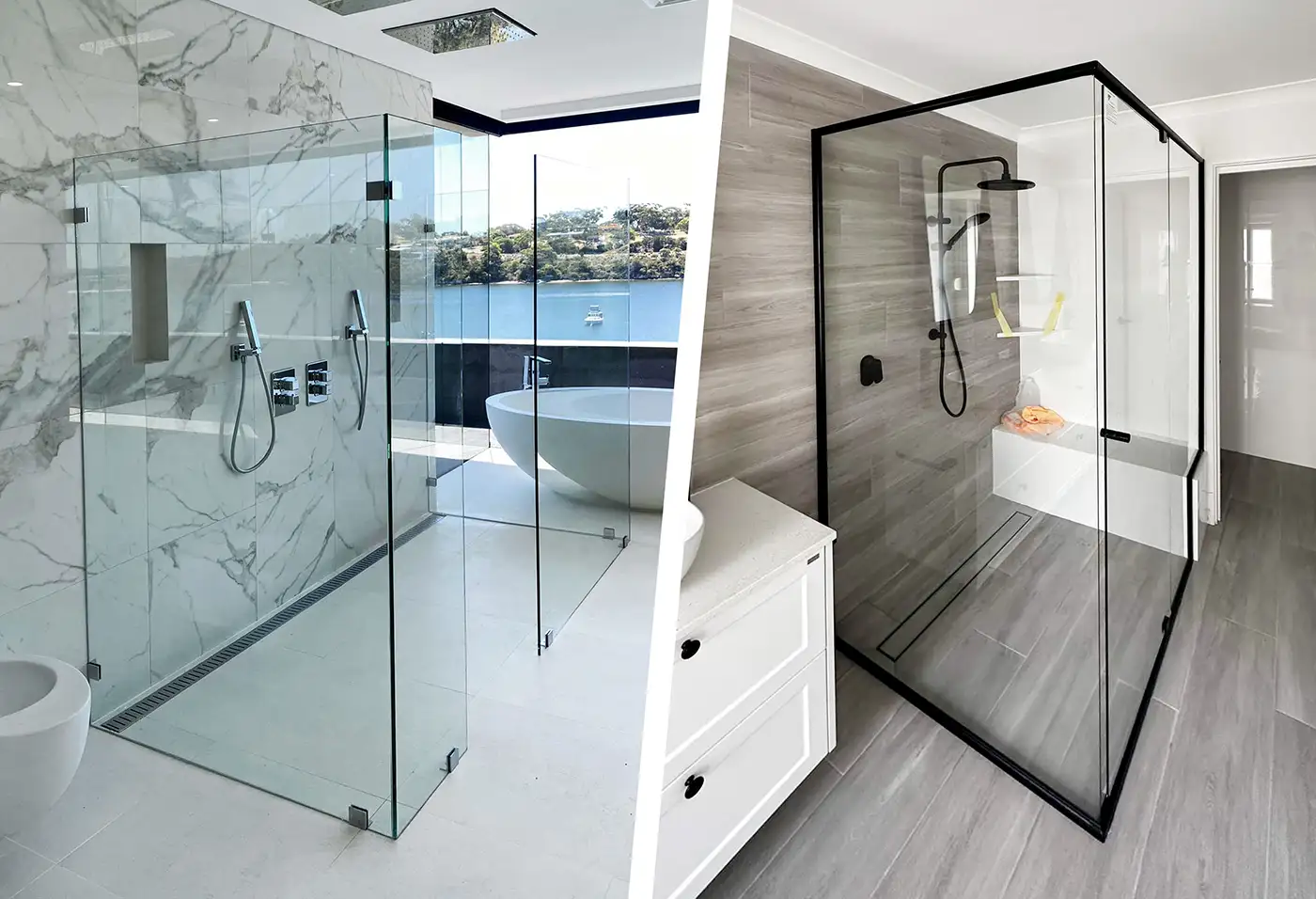
Choosing between frameless and semi-frameless glass is a significant decision for any Australian homeowner or designer. With both options offering distinct advantages and potential drawbacks, understanding what sets them apart can make all the difference in your project’s success. Whether you’re renovating a bathroom, installing pool fencing, or adding balustrades to your home, the Ultimate Frameless Glass Mornington Peninsula can help you make an informed choice that balances aesthetics, functionality, and budget.
Key Takeaways
- Frameless glass offers cleaner aesthetics and easier cleaning but comes at a higher price point than semi-frameless options
- Semi-frameless glass provides better water containment and is more forgiving during installation on uneven surfaces
- Both options must comply with Australian safety standards including AS 1288 for glass selection and installation
- Your choice should be guided by budget, installation environment, and specific functional requirements
- Professional installation is recommended for both types to ensure safety and compliance
Frameless vs Semi-Frameless Glass: The Basics
Frameless glass features no continuous frame, with panels fixed using minimal hardware such as discreet clamps, hinges, or channels. The glass itself (typically 10-12mm thick) provides structural integrity. In contrast, semi-frameless glass employs partial framing elements or profile channels that support glass panels (usually 6-10mm thick) while maintaining some visual openness.
In Australian homes, both types are commonly used for shower screens, balustrades, pool fencing, and feature partitions. The choice between them affects not just appearance but also practical aspects like water containment, maintenance requirements, and overall cost.
“The difference between frameless and semi-frameless isn’t just aesthetic – it impacts everything from cleaning to installation flexibility and long-term performance.” – Ultimate Frameless Glass
Benefits of Frameless Glass
Frameless glass creates a sleek, minimalist aesthetic with uninterrupted sightlines. This clean look contributes to a sense of spaciousness, making it particularly valuable in smaller Australian bathrooms or areas where visual openness is desired.
From a practical standpoint, the absence of frame profiles means fewer nooks where soap scum and grime can accumulate. Cleaning involves simple wiping across continuous glass surfaces rather than navigating around frame elements.
For homeowners in premium Australian suburbs, frameless glass installations often add perceived value to properties. Their high-end appearance aligns well with luxury renovations and can be a selling point when targeting discerning buyers.
Drawbacks of Frameless Glass
The primary disadvantage of frameless glass is cost. Both materials (thicker glass) and installation typically cost 30-50% more than comparable semi-frameless alternatives in the Australian market.
Installation requires precise measurements and sturdy mounting points. Frameless systems have less forgiveness for out-of-plumb walls or uneven surfaces, sometimes necessitating additional structural reinforcement.
Without frames to channel water, frameless shower screens may allow more splashing in certain bathroom layouts. Additionally, completely frameless designs may offer less privacy in situations where that’s a consideration.
Advantages of Semi-Frameless Glass
Semi-frameless glass delivers many visual benefits of frameless designs at a more accessible price point. This cost-effectiveness makes it popular for standard renovations and new builds across Australia.
The partial framing components make installation more forgiving on less-than-perfect surfaces. Frame channels can compensate for minor inconsistencies in walls or floors, reducing the need for expensive site preparations.
Water containment is typically superior with semi-frameless shower screens, as frame elements and seals help direct water flow and prevent leakage. These frames also add structural rigidity, potentially allowing for thinner (and thus less expensive) glass.
Downsides of Semi-Frameless Glass
The most obvious disadvantage is aesthetic compromise. Frame elements interrupt the clean lines and openness that fully frameless systems provide. This may be particularly noticeable in contemporary designs that emphasize minimalism.
Maintenance requirements increase with semi-frameless glass. Frame channels can collect soap scum, mineral deposits, and mould, requiring regular cleaning with appropriate products and tools to maintain appearance.
In coastal Australian regions, frame components may be vulnerable to corrosion unless properly specified. Lower-quality aluminium frames can deteriorate over time, necessitating selection of marine-grade finishes for durability in these environments.
Australian Regulations and Safety Considerations
Both frameless and semi-frameless glass must comply with Australian standards, particularly AS 1288 for glass selection and installation. For pool fencing applications, AS 1926.1 requirements apply, with specific rules about glass thickness, support systems, and gate mechanisms.
Safety glass (toughened or laminated) is mandatory in locations subject to human impact. All compliant glass should carry appropriate certification marks, and consumers should verify these during installation.
Depending on your location and application, permits may be required before installation. Always confirm installer qualifications and insurance coverage, particularly for structural applications like balustrades and pool fencing.
Making Your Decision: A Practical Guide
Consider these factors when choosing between frameless and semi-frameless glass:
- Budget: Establish clear cost parameters before beginning your project
- Location: Consider environmental factors like water exposure and wind loads
- Aesthetics: Determine how important uninterrupted sightlines are to your design
- Maintenance: Assess your willingness to perform regular cleaning and upkeep
- Installation conditions: Evaluate the condition of supporting walls and surfaces
When requesting quotes, ask for itemised breakdowns that include glass specifications, hardware details, installation costs, and warranty information. Reputable suppliers should provide comprehensive information and references from similar projects.
Conclusion
The choice between frameless and semi-frameless glass ultimately depends on balancing aesthetic preferences with practical considerations and budget constraints. Frameless systems offer unmatched visual elegance but require higher investment and precise installation. Semi-frameless alternatives provide cost-effective solutions with practical advantages for water containment and installation flexibility.
Whichever option you choose, working with experienced professionals ensures your glass installation meets safety requirements while delivering the look and functionality you desire. Ultimate Frameless Glass can provide expert guidance tailored to your specific project needs, helping you navigate Australian regulations and achieve the perfect balance of form and function in your glass installation. Contact a reputable glass specialist today to discuss your project requirements in detail.


