



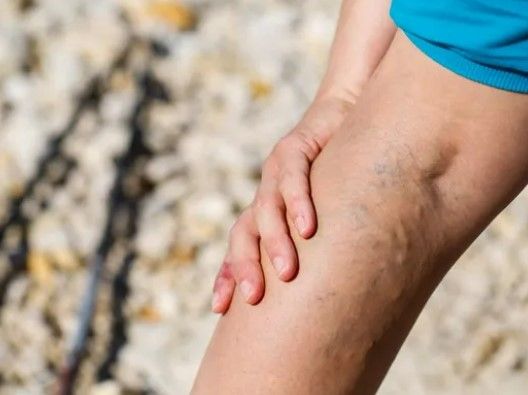
Varicose veins are a common condition affecting millions worldwide, often appearing as swollen, twisted veins that can cause discomfort and other health concerns. Understanding this condition is essential not only for overall leg health but also for maintaining an active, pain-free lifestyle. At Metro Vein Centers, patients receive expert care and guidance to address varicose veins effectively. In this text, we explore the intricacies of varicose veins, including their causes, symptoms, and potential health implications, while also highlighting prevention and management strategies. By gaining a comprehensive understanding of varicose veins and seeking care when needed, individuals can take proactive steps to preserve their leg health and overall well-being.
Understanding Varicose Veins
Varicose veins occur when veins become enlarged, dilated, and overfilled with blood. This condition is particularly common in the legs because standing and walking increase pressure in the veins of the lower body. Healthy veins have one-way valves that prevent blood from flowing backward, but when these valves fail, blood can pool in the vein, causing it to become varicose. These veins can appear blue, dark purple, or lumpy, making them not only a medical concern but also a cosmetic issue for many.
Causes of Varicose Veins
Several factors can contribute to the development of varicose veins.
- Genetics: A family history of varicose veins increases your likelihood of developing them.
- Age: As individuals age, the venous valves can weaken, leading to increased instances of varicosities.
- Pregnancy: Hormonal changes and increased blood volume during pregnancy can put extra pressure on veins.
- Obesity: Excess weight can add pressure to veins, especially in the lower body.
- Occupational Hazards: Jobs that require long periods of standing may contribute to the development of varicose veins due to the constant pressure on the leg veins.
Understanding these causes can be crucial for early intervention and effective management.
Symptoms and Health Implications
The symptoms of varicose veins can vary from person to person. Some common signs include:
- Visible Veins: Enlarged, twisted veins that are prominent under the skin.
- Pain or Discomfort: Aching, heaviness, or a sensation of burning in the legs can signal varicose veins.
- Swelling: The legs may swell, particularly after long periods of standing.
- Itching or Rash: Some individuals may experience itching in the affected area or develop skin changes.
Health implications can extend beyond aesthetics. Varicose veins can lead to more serious conditions, such as venous ulcers, blood clots, or chronic venous insufficiency. Promptly addressing and managing varicose veins is key to preventing these complications.
Impact on Leg Health
Varicose veins can significantly affect overall leg health. Poor blood circulation can lead to various complications that hinder mobility and quality of life. Individuals with varicose veins may find it difficult to engage in physical activity due to discomfort or pain, resulting in a more sedentary lifestyle. Besides, prolonged standing can exacerbate symptoms, leading to a cycle of inactivity that can promote further vein deterioration. Maintaining leg health is essential not only to prevent further complications but also to encourage an active lifestyle that promotes overall health.
Prevention and Management Strategies
Preventing varicose veins often involves lifestyle modifications and careful management of existing symptoms. Here are some effective strategies:
- Exercise Regularly: Engaging in regular physical activity, such as walking or cycling, helps improve blood circulation and tone leg muscles, which can mitigate symptoms.
- Maintain a Healthy Weight: Managing body weight can significantly reduce pressure on the veins.
- Elevate Your Legs: By elevating the legs during rest, individuals can encourage blood flow away from the lower extremities.
- Compression Stockings: Wearing compression stockings can help compress the veins, improving blood circulation and alleviating discomfort.
- Dietary Considerations: Eating a balanced diet rich in fiber and low in refined sugars can help prevent constipation, which can add strain to veins.
When to Seek Medical Attention
While many people live with varicose veins without needing medical intervention, certain symptoms warrant professional evaluation. Seek medical attention if you experience:
- Severe pain or discomfort in your legs.
- Swelling that does not subside.
- Changes in skin color or texture around the veins.
- Open sores or ulcers.
- Symptoms of a blood clot, such as redness, warmth, or extreme tenderness in the leg.
Early intervention can effectively manage symptoms and prevent progression to more serious conditions.
Conclusion
Varicose veins are not just a cosmetic concern: they can significantly impact leg health and overall quality of life. By understanding the causes, recognizing the symptoms, and adopting preventive strategies, individuals can take control of their leg health. Awareness and early intervention are paramount in addressing this common condition. Seeking advice and support from healthcare professionals can provide personalized strategies for management and improve overall health outcomes.


