



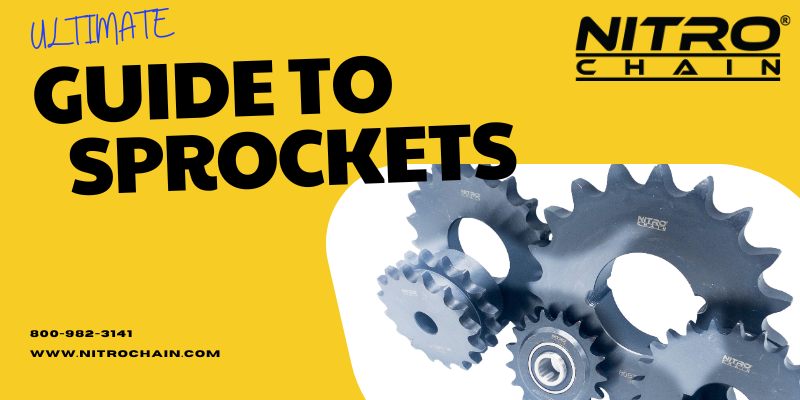
What Are Sprockets and Why Are They Important?
A Deep Dive into the Mechanics of Motion
Sprockets are toothed wheels designed to work in conjunction with a chain or belt to transmit power and motion in various machinery. They play a fundamental role in transforming rotational motion into linear motion or facilitating the transfer of energy from one part of a system to another. Understanding the mechanics of motion involves recognizing how sprockets engage with chains to ensure that mechanical systems operate smoothly, efficiently, and predictably. When a sprocket turns, its teeth engage with the links of a chain, driving the chain and, by extension, the attached machinery. This engagement is critical; any misalignment or wear can lead to inefficiencies or failure, which can disrupt operations and degrade equipment longevity.
The Crucial Role of Sprockets in Machinery
In any machinery setup, sprockets serve as key components that dictate operational efficiency. They are not merely auxiliary tools but are pivotal in various applications, ranging from bicycles to heavy industrial machines. Sprockets facilitate the transmission of power between shafts, allowing machinery to perform its intended tasks. This relationship is essential for systems that require precise motion control. For instance, in industrial conveyors, a sprocket can maintain consistent speed and direction, crucial for processes where timing matters. The effectiveness of a sprocket impacts the entire machinery system, reinforcing the notion that careful selection and maintenance of these components is paramount for optimal operational success.
Historical Innovations: The Evolution of Sprocket Design
The history of sprockets is intertwined with developments in mechanical engineering and industrial design. Initially, sprockets were rudimentary in form, made from wood or basic metals. Over time, advancements in metallurgy and manufacturing techniques led to the modern sprockets we utilize today crafted from durable materials like steel, aluminum, or plastic. The Industrial Revolution marked a significant turning point; as machinery became more complex, the need for more sophisticated sprocket designs emerged. Innovations such as the development of varied tooth profiles and specialized sprockets for specific applications, such as silent chain sprockets, enabled machines to operate more efficiently and quietly. Historical insights into sprocket design not only illustrate technological progression but also underscore the ongoing need for engineers to innovate solutions to meet the demands of ever-evolving machinery.
Types of Sprockets: A Diverse Toolbox for Engineers
Standard vs. Specialty Sprockets: What’s the Difference?
Sprockets can broadly be classified into standard and specialty categories, both serving unique roles in mechanical systems. Standard sprockets are designed for general applications, ideal for use with commonly found chains and belts. They are manufactured to specific sizes, tooth counts, and configurations for compatibility with a vast array of machinery like bicycles, motorcycles, and conveyor systems. Specialty sprockets, on the other hand, are designed for more unique applications where specific conditions must be met. These can include features such as variable pitch, non-standard dimensions, or special durability requirements for extreme conditions. Understanding the difference between standard and specialty sprockets is crucial for engineers and designers, as selecting the wrong type can lead to operational failures, increased wear, and costly replacements.
Material Matters: Choosing the Right Sprocket for Your Application
The material from which a sprocket is made directly affects its performance, durability, and applicability in various environments. Common materials for sprockets include steel, aluminum, and engineered plastics. Steel sprockets offer exceptional strength and wear resistance, making them suitable for heavy-duty applications such as in construction machinery and high-torque scenarios. Aluminum sprockets, while lighter and resistant to corrosion, may not support the same load capacities as steel but are ideal for applications like bicycles or lightweight machinery where weight savings are critical. On the other hand, sprockets made from advanced plastics can provide resistance to corrosion and noise, making them popular in industries where chemical exposure and noise levels are a concern. Hence, understanding the properties of these materials enables engineers to select the most suitable sprockets for their specific applications, ensuring longevity and efficiency.
Chain Sprockets vs. Belt Sprockets: When to Use Each Type
Choosing between chain sprockets and belt sprockets hinges on understanding their operational contexts and benefits. Chain sprockets are typically used in applications that demand high torque and durability. They engage with roller chains, offering efficient power transfer while maintaining a compact design. This makes them favorable in heavy machinery, motorcycles, and industrial applications where reliability is paramount. Conversely, belt sprockets work in conjunction with belts rather than chains, famously known for their quieter operation and smooth function. They are commonly utilized in applications where noise reduction is critical or where high-speed operations are prevalent, such as in automotive engines or consumer appliances. The decision on which type to use should be influenced by factors such as torque requirements, speed specifications, and environmental considerations ensuring that the most appropriate solution is implemented for effective mechanical motion.
Sprocket Applications Across Industries: Where They Shine
From Bicycles to Robotics: Versatile Uses of Sprockets
Sprockets are far from being niche components; their versatility spans numerous industries and applications. In the realm of bicycles and motorcycles, sprockets play a vital role in transferring power from the pedals or engine to the wheels, significantly influencing speed and efficiency. In robotics, sprockets facilitate movement by connecting motors to wheels or other mechanical elements, allowing for precise maneuvers. The use of sprockets in automation systems enhances operational efficiencies, ensuring reliable and repeatable actions in assembly lines or robotic arms. Beyond recreational and industrial applications, sprockets are utilized in material handling systems conveyors equipped with sprockets transpose products seamlessly along production lines, showcasing how integral they are to modern manufacturing processes.
Culinary Mechanics: Sprockets in Food Processing Equipment
The food processing industry is a powerhouse of technology, and sprockets are essential in various machines that contribute to efficiency and sanitation. From meat grinders and dough mixers to conveyor belts in packaging systems, sprockets enable precise control over food production processes. Their robust design allows for consistent and reliable power transmission even in wet or corrosive environments typical in food processing. As food safety becomes increasingly critical, sprocket design also adheres to stricter regulations to minimize any contamination risks. Innovations like using food-grade materials and incorporating designs that prevent residue buildup are becoming prevalent, ensuring that the culinary industry maximizes efficiency while adhering to health standards.
The Future of Transportation: Sprockets in Electric Vehicles
The rise of electric vehicles (EVs) is reshaping numerous aspects of transportation, including the critical role of sprockets. While traditional gasoline vehicles rely on complex gear systems, many EVs utilize sprockets and belts for efficient power transfer from the electric motor to the wheels. This not only simplifies the drive system but also enhances performance by optimizing the power curve from the motor for better acceleration and efficiency. Furthermore, as the push for sustainability grows, the need for robust yet lightweight sprockets becomes integral to optimizing battery life and overall energy consumption. The future of transportation hinges on innovation in all components, and as electric vehicles continue to evolve, so too will the technologies that enhance their efficiency, where sprockets will have an indispensable role.
Maintaining Sprockets: Keeping Your Machinery Running Smoothly
Common Issues and How to Spot Them Before They Become Problems
Preventative maintenance is critical for ensuring the longevity and performance of sprockets within any machinery setup. Common issues like excessive wear, misalignment, or contamination can drastically affect functionality. For instance, wear patterns on the sprocket teeth can indicate incorrect chain tension or inappropriate lubrication. Regular inspection of sprockets and chains for signs of elongation or tooth deformation helps in identifying potential failures before they manifest into severe malfunctions. Moreover, proper alignment between sprockets and chains is crucial inaccurate alignment can lead to accelerated wear or complete failure. By adopting a proactive maintenance strategy, operators can significantly enhance machinery reliability and operational uptime.
Best Practices for Care and Maintenance of Sprockets
Maintaining sprockets involves adhering to several best practices that ensure efficient operation and long life. This includes regularly cleaning sprockets to remove debris and contaminants that can affect their performance. Lubrication is equally essential; using the right lubricant based on the application can minimize friction and wear, allowing for smoother operation. Additionally, engineers often recommend periodic inspections to check for signs of wear such as tooth fatigue, which can involve both visual checks and measurements to assess if replacements are necessary. Establishing a routine maintenance schedule tailored to specific usage conditions and environments is crucial, as it allows operators to keep machine components in optimal condition and avoid unexpected downtimes or costly repairs.
When to Replace Your Sprocket: Signs That Can’t Be Ignored
Knowing when to replace a sprocket can mean the difference between smooth operations and catastrophic failures. Key indicators that suggest a sprocket has reached the end of its service life include visible wear on the teeth, such as rounding or breaking, which can severely affect the chain’s engagement. Additionally, any signs of rust or corrosion could indicate that the sprocket’s integrity is compromised, especially for components exposed to harsh environmental conditions. Operators should also be vigilant for unusual noises, such as grinding or rattling sounds during operation, which often suggest misalignment or excessive wear. Understanding these signs and having a dedicated protocol for replacing sprockets can prevent costly downtime and maintain operational efficiency, ensuring the machinery continues to run smoothly for the long haul.


