



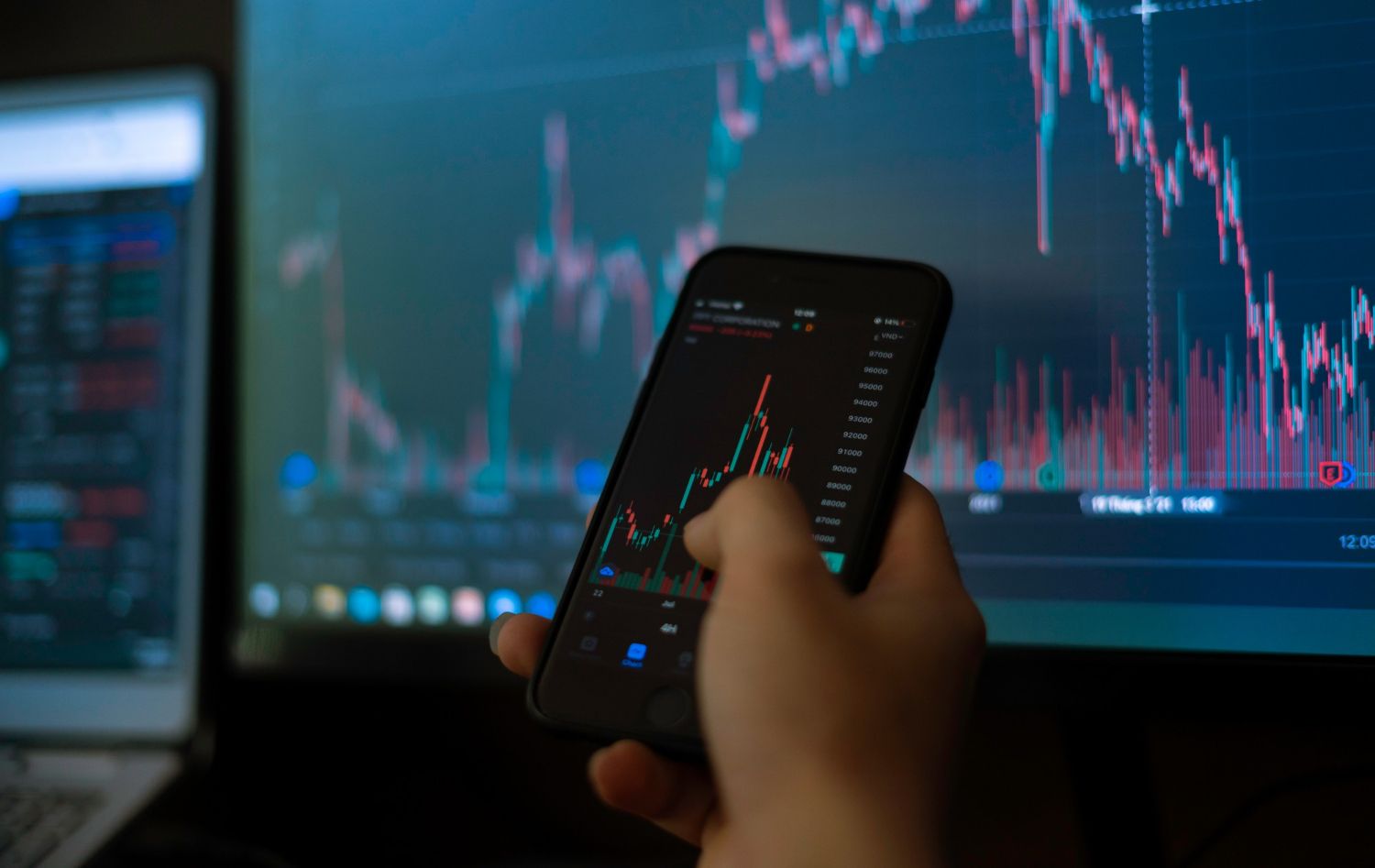
Look, currency trading has gotten pretty big here in Malaysia lately. I keep seeing more people asking about it on forums and social media. The thing is, most folks don’t really get what they’re signing up for.
Trading currencies in Malaysia isn’t the same as in other places. We’ve got Bank Negara breathing down everyone’s neck, plus some weird rules about moving the ringgit around. Finding reliable ms brokers that understand local regulations makes a real difference. Can’t just do whatever you want like in some other countries.
What’s This Currency Trading Thing Actually About
Honestly, it’s simpler than people make it sound. You’re basically betting that one currency will get stronger compared to another. Say you think the ringgit will drop against the US dollar – you sell ringgit and buy dollars. If you’re right, you make money. If you’re wrong, well…
The thing runs 24/7 during weekdays. Malaysia closes, London opens. London closes, New York takes over. Prices keep moving while you’re sleeping, which can be pretty stressful if you’ve got money on the line.
Most price movements are tiny. We’re talking about the fourth decimal place here. That’s why everyone uses leverage – borrowing money to control bigger positions. It’s like gambling with borrowed chips. Works great until it doesn’t.
Bank Negara’s Rules and How They Mess With You
Malaysian residents can trade foreign currencies, but there’s paperwork involved. You can’t just move huge amounts of ringgit offshore without filling out forms. Bank Negara wants to know what you’re doing with your money.
Local banks will do FX for you, but their rates suck. The spreads are massive compared to online platforms. Plus they’re really set up for business transactions, not speculation.
If you’re using overseas platforms, don’t forget about taxes. Malaysian tax authorities consider trading profits as income. Yeah, even if you’re just clicking buttons on your phone. The rules get complicated fast, especially if you’re trading daily.
Currency Pairs and When Things Actually Move
EUR/USD gets the most action globally. Then USD/JPY and GBP/USD. For us, USD/MYR matters because lots of local business happens in dollars.
Asian hours work well for Malaysian traders. Tokyo session starts around 8 AM our time, which is when yen pairs get interesting. London kicks off around 4 PM, bringing European currencies to life.
| Trading Session | Malaysian Time | What’s Moving |
| Tokyo | 8:00 AM – 5:00 PM | USD/JPY, AUD/USD |
| London | 4:00 PM – 1:00 AM | EUR/USD, GBP/USD |
| New York | 9:00 PM – 6:00 AM | USD/CAD, USD/CHF |
Actually, the overlap periods are where the real action happens. London-New York overlap is crazy busy.
How Much This Stuff Costs You
Every single trade costs money, even when they say “commission-free.” The spread between buy and sell prices is how they make their money. Major pairs might only cost a few pips, but exotic pairs with ringgit can be expensive.
Then there’s overnight costs. Keep a position open past 5 PM New York time and you might pay or get paid interest. Depends on which currencies you’re holding. These rollover costs add up over time.
Some platforms charge commissions on top of spreads. Others hide everything in wider spreads. Either way, you need to figure out your real cost per trade.
Don’t Blow Up Your Account
Markets move fast, especially when something unexpected happens. I’ve seen people lose weeks of profits in a single morning because of some random news event.
Position sizing is huge. Risk too much on one trade and you’re done. Most traders who survive long-term risk maybe 1-2% per trade. Sounds boring, but boring keeps you in the game.
Stop losses help, but they’re not perfect. Markets can gap right past your stop during crazy periods. Still better than nothing though.
What Actually Moves Prices
Central banks are the big players. When Bank Negara changes rates or says something about policy, ringgit moves. Same with Fed, ECB, all the major central banks.
Economic data releases cause sudden moves. Jobs reports, inflation numbers, GDP data. Malaysia’s own economic releases matter for ringgit, while global data hits the major pairs.
Politics creates chaos. Elections, trade wars, random government statements. Anything that makes people nervous shows up in currency volatility pretty quickly.
Getting Your Feet Wet
Opening an account means providing ID and proof of address. If you’re Malaysian, make sure your chosen platform actually accepts local clients. Some don’t bother with our market.
Finding a broker forex terbaik di malaysia that understands local regulations and offers decent spreads can make a huge difference in your trading results. Not all brokers are created equal.
Demo accounts are worth using. Same price feeds as real accounts, but no actual money at risk. Most pros recommend spending months on a demo before going live. Sounds excessive, but better than losing real money while learning.
Funding accounts from Malaysia can be a pain. Wire transfers work but take forever and cost money. Some platforms take local bank transfers or cards. Others don’t.
Mistakes Everyone Makes
Overtrading kills accounts faster than bad analysis. New traders think they need to be constantly active, jumping into every setup they see. Usually just means more losses and higher costs.
Too much leverage is the classic mistake. Being able to control $10,000 with $100 sounds amazing until a small move wipes you out completely.
Underestimating the time commitment is another big one. This stuff requires constant attention. Economic calendars, chart analysis, news monitoring. It’s not something you can do casually on weekends.
Reality Check Time
Look, most people lose money trading currencies. That’s just the truth. The ones who make it treat this like a serious business, not a hobby or get-rich-quick scheme.
The learning curve is steep. Technical analysis, fundamental analysis, market psychology – it takes years to get decent at this stuff. Even then, markets can do crazy things for no apparent reason.
Costs eat into profits, especially for smaller accounts. Even tiny spreads add up when you’re trading frequently. This is particularly brutal if you’re starting with just a few thousand ringgit.
Malaysian traders can access global currency markets just fine. But success needs education, discipline, and realistic expectations. Don’t believe anyone promising easy money or guaranteed systems. If it was that simple, everyone would be doing it.


