



Trail Runner Smartwatch Buying Guide for Tough Routes
Trail runners encounter unexpected terrain, abrupt height changes, and severe weather. A smartwatch designed for the trail must provide dependable data and durable performance. Unlike simple fitness trackers, trail-ready devices have GPS accuracy, weather resistance, and extensive data to help with pace and effort. Choosing the proper one is determined by the routes you run, your training objectives, and the circumstances you face. From long-distance ultramarathons to steep, tricky climbs, the appropriate wristwatch can help you run smarter while staying safe. This article breaks down crucial features, performance insights, and design options to assist trail runners in selecting the finest watch for rough and challenging courses.
What Features Matter Most for Tough Trails?
GPS Accuracy and Multi-Band Tracking
Accurate GPS is essential for traversing steep slopes, dense woods, or rough mountain trails. Look for smartwatches that use multi-band GNSS technology, which connects to various satellite systems such as GPS, Galileo, and GLONASS for greater accuracy. Dual-frequency tracking helps to minimize signal mistakes produced by towering trees or canyon walls. Some versions additionally incorporate real-time breadcrumbs and back-to-start navigation to aid in retracing steps. Fast satellite acquisition means you won’t waste time waiting before a run. Whether you’re following a difficult path or trying out new routes, trustworthy GPS allows you to track mileage, pace, and location with confidence—essential for safety, performance analysis, and post-run route assessments.
Battery Life and Power Modes
Trail runs can extend for hours or even days. A decent trail smartwatch should have a long battery life in full GPS mode, preferably 20 to 40 hours. Some luxury versions go even further, including ultra-efficient tracking or solar-assisted charging. Smart battery profiles allow you to change settings while running, turning off unnecessary elements such as lights or music to save power. Power-saving GPS modes reduce precision marginally while considerably increasing runtime, making them ideal for multi-day activities. Watches with fast-charging capabilities also aid in quick turnaround times between runs. You shouldn’t have to worry about your watch expiring in the middle of the route. With clever power management, your watch will stay active as long as you do—even on the most difficult courses.
Durability, Water Resistance, and Build Quality
Sturdy routes require sturdy gear. A trail smartwatch must withstand shocks, dirt, wetness, and harsh temperatures. Look for devices with a military-grade durability rating. Cases constructed of titanium or reinforced plastics can withstand impact without adding weight. Scratch-resistant sapphire or Gorilla Glass protects displays from pebbles and brushes. Water resistance of 5ATM or above provides protection during river crossings or in wet weather. Dirt-sealed buttons and corrosion-resistant components increase the watch’s life in harsh environments. Your trail gear must be dependable, and a robust smartwatch means fewer failures and distractions on the go. Build quality guarantees that your gadget performs as hard as you do.

How Do Performance Metrics Help You Run Smarter?

Heart Rate and VO2 Max Tracking
Understanding effort is essential while ascending steep terrain or jogging at altitude. Smartwatches measure heart rate in real time, helping runners to stay in their best training zones. Some models assess VO2 max, a measure of cardiovascular fitness, and monitor variations over time. These indicators allow you to modify your effort and avoid burnout. When combined with heart rate zone training, you may plan runs for aerobic improvement, tempo efforts, or recuperation. Wrist-based sensors are convenient, but combining with a chest strap improves accuracy on uneven terrain. Whether training or racing, heart rate data is useful for maintaining a constant pace, managing effort, and assessing progress. Smarter training improves performance, particularly on tricky and elevation-heavy terrain.
Elevation, Navigation, and Trail Mapping
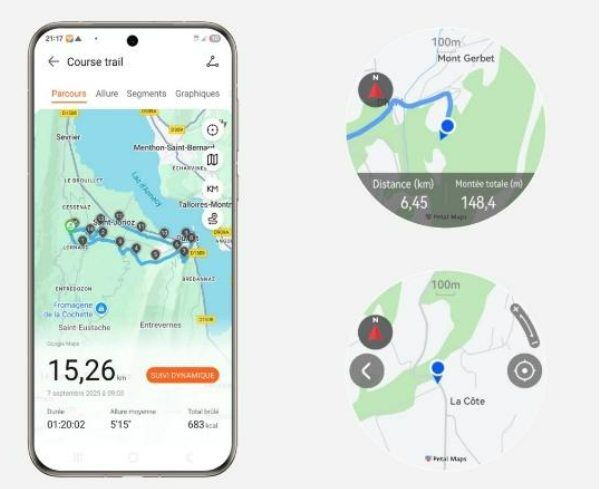
Trail runners face regular height changes, and smartwatches with barometric altimeters give accurate data on elevation gain and decline. Knowing how far you’ve climbed allows you to pace yourself and keep track of your exhaustion. Built-in navigation capabilities such as topographic maps, breadcrumb tracking, and route assistance keep you on track without the need to whip out your phone. Some monitors enable GPX file uploads and provide real-time off-route alarms. When combined with a compass and waypoint marking, they transform your watch into a dependable navigation device. Whether you’re racing ultras or exploring solo, mapping features boost confidence and decrease danger. Elevation and route data work together to help you make better decisions before, during, and after each trail run.
Training Load, Recovery, and Health Insights
Training smart is more than simply working harder; it’s also about understanding when to relax. Trail-specific smartwatches use training load, recuperation time, and even heart rate variability (HRV) to determine weariness. Post-run stats demonstrate how your body handled elevation, distance, and intensity. Daily readiness ratings, sleep tracking, and stress indicators provide a comprehensive snapshot of performance and recuperation. This allows you to avoid injury, alter your plan, and develop sustainable mileage. Advanced algorithms recommend workouts based on your actual state, not simply your timetable. Over time, these insights will educate you to listen to your body and work out more successfully. Wiser data leads to wiser decisions—and longer, more successful trail running.
Which Smartwatch Style Fits Your Running Routine Best?
Lightweight vs. Rugged Designs
Your trekking style will determine whether you choose a lightweight or robust smartwatch. Minimalist runners may favor elegant designs that are lightweight and unobtrusive on lengthy hills. These devices frequently focus on key features—GPS, heart rate, and pace—while keeping the UI simple. Rugged watches, on the other hand, include stronger frames, larger batteries, and larger displays. While significantly heavier, they are suitable for harsh circumstances, providing deeper insights, increased durability, and longer endurance. Trail runners who run a lot or in isolated areas may want robust constructions, whilst those who want to race or go fast may prefer lighter options. The proper weight-to-function ratio guarantees comfort without sacrificing performance on lengthy, strenuous runs.
Strap Comfort and Fit for Long Routes
An ill-fitting strap may spoil even the nicest watch on a long trail day. Smartwatches should have secure, adjustable bands that won’t pinch or slip. Silicone straps are sweat-resistant and great for hot weather, whilst fabric or nylon bands provide superior ventilation over extended distances. Look for quick-release mechanisms that allow you to simply alter bands based on the situation. A tight yet flexible fit allows for precise heart rate measurements and all-day comfort. Lightweight, cushioned straps help prevent wrist fatigue in ultrarunners and multi-day competitions. Comfort means consistency—when your watch feels fantastic from mile one to mile thirty, you’ll be focused on the path rather than your gear.
Screen Visibility in Harsh Conditions
Bright sunlight, rain, and gloomy woodlands might make it difficult to observe your data. A decent trail smartwatch has high-contrast screens that are viewable under all situations. Look for transflective displays, which reflect ambient light and improve clarity in bright surroundings. Some versions have adjustable backlighting, auto-brightness sensors, and night settings for early or late finishes. Larger screen sizes help during running and trail sessions, where glancing down needs to be fast and effortless. Scratch-resistant coatings prevent glare and improve durability. Trail runners should never have to squint or stop to read their watch. Clear, reliable screen visibility ensures you always see the data that matters—no matter the weather or terrain.
Conclusion
Tough terrain runs require more than a standard fitness watch. You need durability, GPS accuracy, and data to make informed judgments amid shifting terrain and situations. Whether you value lengthy battery life, mapping tools, or thorough health data, the correct smartwatch will become an indispensable element of your trail equipment. Look for characteristics that complement your own style, such as lightweight designs for speed, durable versions for endurance, and straps that stay comfortable across miles of elevation. Trail running smartwatches are more than just trackers; they also serve as safety tools, performance advice, and everyday companions. When picked carefully, your watch will not only endure but also assist you in conquering the path, one difficult route at a time.


