



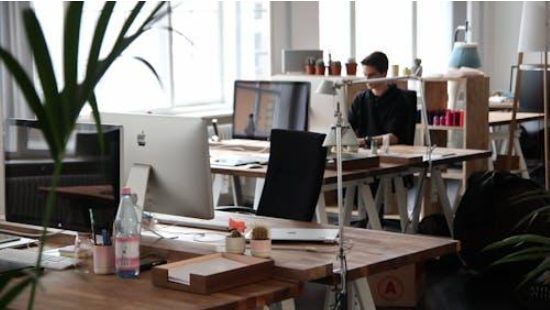
A tidy and organised workspace is much more than a visual necessity. It is a cornerstone of productivity and employee satisfaction. A well-kept environment fosters focus reduces distractions and helps teams operate more efficiently. Beyond improving day-to-day functionality, it also promotes a healthier atmosphere, making it easier to avoid common workplace illnesses caused by unclean surfaces or poor sanitation.
By implementing targeted strategies and seeking expert assistance when needed, businesses can create an environment that encourages efficiency and well-being.
Here’s how you can maintain a clean and productive workspace:
Set Clear Cleaning and Organization Standards
Establishing well-defined expectations for workplace upkeep is essential for consistency and accountability. Begin by creating a detailed cleaning schedule that outlines tasks for different areas, such as desks, breakrooms, and shared equipment. Assign specific responsibilities to individuals or teams to ensure tasks are not overlooked.
Clear standards can also include rules for managing clutter, like designating storage spaces for personal belongings or outlining how shared resources should be organised. When everyone knows what is expected of them, it becomes easier to maintain a space that feels orderly and functional. Regularly reviewing these guidelines ensures they stay relevant and effective.
Leverage Professional Services for Efficiency
Professional cleaning services can significantly elevate the standard of workplace upkeep. These experts bring specialised tools and skills to handle complex cleaning needs, ensuring thorough coverage of high-traffic areas, hard-to-reach spaces, and surfaces requiring frequent disinfection.
Also, commercial cleaning services save time and provide a tailored approach that aligns with the business’s specific needs. Whether it’s regular maintenance, deep cleaning, or sanitisation of shared equipment, these professionals ensure that the workspace remains in optimal condition. By outsourcing these tasks, businesses can focus their efforts on core operations, boosting overall productivity and efficiency.
Encourage Daily Desk Organization
Cluttered desks can lead to unnecessary stress and reduced efficiency, making it essential to prioritise daily tidying habits. Encourage employees to take five to ten minutes at the end of each day to organise their workstations. Simple tasks like discarding trash, filing papers, and arranging supplies can make a significant difference.
Providing resources like desk organisers, file holders, and storage trays can also help employees maintain neat and accessible workspaces. When individuals take ownership of their areas, it creates a more pleasant work environment and instils a sense of responsibility that benefits the entire team.
Prioritise High-Touch Areas
Frequently touched surfaces are prime areas for accumulating germs and dirt, making their regular cleaning a priority. Keyboards, telephones, light switches, and doorknobs are just a few areas requiring daily disinfection to minimise the risk of illness spreading throughout the team.
Stocking shared areas with accessible cleaning supplies, such as disinfectant wipes and sprays, makes it easy for employees to sanitise these spots throughout the day. Businesses can also schedule routine professional sanitisation to ensure deeper cleaning of these critical surfaces. Taking proactive steps to address these areas promotes better hygiene and creates a more comfortable workspace for everyone.
Invest in Proper Waste Management
Effective waste management systems are crucial for keeping shared areas functional and organised. Begin by strategically placing trash bins and recycling containers in convenient and easily accessible locations. This encourages employees to dispose of items properly, reducing clutter and promoting better hygiene.
To further improve the system, label bins clearly to indicate their purpose, such as general waste, recyclables, or compostable materials. Implementing recycling programs can also contribute to environmental sustainability while demonstrating the company’s commitment to responsible practices. Encourage employees to participate by educating them about proper disposal methods and highlighting the positive impact of their efforts.
Schedule Periodic Deep Cleaning
While daily cleaning routines are essential, they often miss areas that require more thorough attention. Periodic deep cleaning ensures that every part of the workspace, including hidden corners and less accessible areas, is addressed. This can include tasks like shampooing carpets, wiping upholstery, and sanitising HVAC systems to improve air quality.
Deep cleaning should be scheduled regularly, such as quarterly or bi-annually, depending on the workspace’s size and usage. Professional services are especially beneficial for these tasks, as they use advanced equipment and techniques to achieve a comprehensive result. This enhances hygiene and prolongs the life of office furniture and fixtures.
Improve Air Quality with Practical Measures
Air quality is often overlooked but plays a significant role in creating a healthy and productive workspace. Poor ventilation or dusty environments can cause discomfort and even health issues like allergies or respiratory problems.
To improve air quality, consider investing in air purifiers and maintaining a proper ventilation system. Regularly clean or replace air filters to reduce the buildup of allergens and dust. Incorporating indoor plants can also help purify the air while adding a touch of greenery to the workspace. A focus on fresh, clean air can significantly enhance employee well-being and productivity.
Keep Storage Areas Organized
Well-organized storage spaces are critical for avoiding clutter and maintaining a streamlined workspace. Start by categorising items based on their use and frequency. For example, keep essential supplies within easy reach while storing rarely used items in designated areas.
Use clear labels, shelving systems, and storage bins to keep everything tidy and accessible. Encourage employees to return items to their proper place after use to avoid unnecessary mess. When managed efficiently, storage areas prevent overflow into communal spaces and help maintain an orderly work environment.
Foster Accountability Among Employees
Keeping the workspace tidy should be a collective effort. Foster a culture of accountability to encourage employees to take ownership of their areas and shared spaces. Assign rotating cleaning responsibilities for communal areas such as the kitchen, meeting rooms, or breakrooms.
Implementing small incentives or recognition programs for those who actively contribute to maintaining cleanliness can motivate team members. Regularly remind employees of the importance of a tidy workspace and how it positively impacts their own productivity and the overall team dynamic.
A well-maintained workspace is a foundation for both productivity and employee satisfaction. From clear guidelines to professional cleaning services and deep cleaning schedules, implementing effective practices can create an efficient and welcoming environment. Prioritising hygiene, organisation, and accountability ensures long-term benefits for everyone in the workplace. By taking these steps, businesses can cultivate a workspace that supports employee well-being and operational success.


