



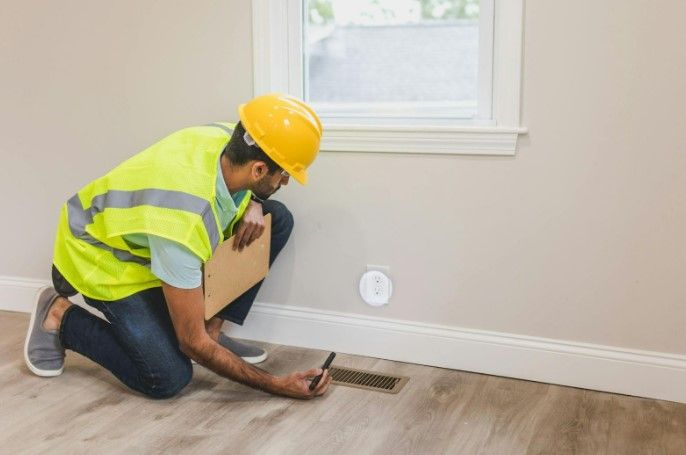
If you’re like most homeowners, your HVAC system probably doesn’t get much attention until something stops working. And by then, you’re either sweating through a heat wave or freezing in the middle of the night. The truth is, many HVAC issues are preventable. You don’t need to be an expert to avoid some of the most common problems—just a little awareness goes a long way.
Here are ten mistakes people often make with their HVAC systems—and how to avoid them.
1. Skipping Regular Maintenance Appointments
One of the biggest mistakes homeowners make is putting off routine maintenance. It’s easy to ignore, especially when your system seems to be working fine. But skipping regular service can allow small issues to go unnoticed, and those can turn into bigger problems over time.
During a maintenance visit, a technician checks refrigerant levels, electrical connections, air filters, and condenser coils. These basic steps help keep your system efficient and reliable.
When issues do come up, you can stay on top of the most common air conditioner repairs, like frozen coils, clogged filters, or low refrigerant. Taking care of these early keeps your system running smoothly and helps you avoid costly breakdowns later on. If you live in Southern California, scheduling regular Los Angeles HVAC repair and maintenance services can ensure your system stays efficient year-round.
2. Forgetting to Replace Air Filters
This one’s simple, but it makes a huge difference. Air filters trap dust, pollen, and other debris from entering your system. When they get too dirty, airflow drops, and your system has to work much harder than necessary.
Most filters should be changed every 1 to 3 months, depending on your home’s needs. Pets, allergies, or high outdoor pollution might require more frequent changes. Forgetting to swap them out can lead to poor air quality, higher bills, and even damage to your unit.
3. Blocking Vents or Air Returns
You might not think twice about placing a couch in front of a vent or hanging long curtains near an air return. But when airflow is blocked, your system can’t circulate air properly. That means uneven cooling, pressure buildup, and more work for the blower motor.
Even if your home feels fine now, this added strain adds up over time. Make it a habit to walk through your space and check that vents and returns are fully open and clear of obstructions.
4. Closing Off Rooms to “Save Energy”
Some homeowners believe that closing vents in unused rooms helps save money. It seems logical, but it doesn’t work the way you think. Modern HVAC systems are designed to cool and heat the entire space. When you close vents, you throw off the balance of the system.
This leads to pressure problems, inefficient performance, and even duct damage. Instead of shutting vents, look into zoning options if certain areas of your home are used less frequently.
5. Ignoring Strange Noises or Odors
Unusual sounds or smells coming from your HVAC system are never a good sign. Banging, hissing, or grinding noises might mean a part is loose or something is stuck. A musty smell could point to mold in the ductwork. And a burning odor might indicate electrical trouble.
It’s easy to brush off these signs and hope they go away. But doing that usually means they get worse—and more expensive to fix. If something seems off, call a technician to take a look before it becomes serious.
6. Setting the Thermostat Too Low or Too High
Cranking your thermostat way down on a hot day won’t cool your home any faster. The same goes for blasting the heat in winter. Instead, it overworks your system and drives up your energy bill.
Try to keep your thermostat at a steady, reasonable setting. Experts recommend 78°F in summer and 68°F in winter for both comfort and savings. Smart thermostats can help regulate this automatically and learn your habits over time.
7. DIY Repairs Without Experience
It might be tempting to troubleshoot your HVAC system on your own, especially with so many video tutorials online. But unless you’re dealing with something simple—like changing a filter or checking the thermostat—it’s better to leave repairs to the pros.
Opening up your unit without the right tools or training can cause more damage. Worse, you could void the warranty or even put yourself in danger. If you’re ever unsure, call in a licensed technician to handle it properly.
8. Not Upgrading an Old System
Many homeowners try to stretch their HVAC system’s life far beyond its limits. While it’s great to get full use out of your investment, there comes a point when keeping an old unit isn’t worth it.
Signs you need an upgrade include frequent repairs, rising utility costs, and inconsistent temperatures. Today’s systems are much more energy-efficient and offer better control, especially when paired with a smart thermostat. While the upfront cost may feel high, long-term savings usually make it worth it.
9. Poor Thermostat Placement
The location of your thermostat plays a bigger role than you might think. If it’s placed near a window, oven, or direct sunlight, it won’t give accurate readings. This can cause your system to turn on and off at the wrong times, leading to short cycling and discomfort.
Ideally, your thermostat should be installed in a central area away from heat sources or cold drafts. If you suspect bad placement is affecting your system, have an HVAC tech reposition it for better performance.
10. Overlooking Ductwork Issues
Many HVAC problems come from issues in the ductwork, not the system itself. Leaky ducts let air escape before it reaches your rooms, while dirty ducts spread dust and allergens throughout your home.
Ductwork should be checked every few years, especially if your home is older. Sealing leaks and cleaning buildup can improve efficiency, air quality, and temperature consistency. It’s not something most homeowners think about, but it makes a real difference.
A few simple habits can go a long way when it comes to keeping your HVAC system healthy. You don’t need to know all the ins and outs, but staying on top of maintenance, avoiding quick fixes, and watching for early signs of trouble will save you money and stress in the long run. If something doesn’t feel right with your system, don’t wait. A quick check from a professional can keep a small issue from turning into a breakdown at the worst time.


