



Your HVAC system plays a huge role in keeping your home comfortable year-round. Whether it’s cooling down a room in the summer or warming things up during a cold snap, you rely on it more than you think. But like any major home system, it needs regular attention to work its best.
Many homeowners skip basic upkeep, which leads to higher utility bills and shorter system life. The good news is that a few small habits can make a big difference. You don’t need to be a technician or have special tools. Just some consistency and awareness will go a long way.
If your system has been acting up or your energy costs are creeping up, this is the time to look at your maintenance routine. These tips will help you get more out of your HVAC system and avoid sudden breakdowns. Let’s start with one of the simplest tasks that can keep your system running smoother for longer.
Start with Regular Filter Checks
Changing or cleaning your HVAC filters is one of the easiest ways to support your system. Filters trap dust, allergens, and other particles that flow through your air. Over time, these particles build up and block airflow. That makes your HVAC system work harder than it needs to, and that strain adds up.
If your home has pets, people with allergies, or you live in a dusty area, your filters might need more frequent attention. Check them once a month. If they look dirty, swap them out. Most filters need to be changed every 1 to 3 months, depending on use. Reusable filters should be cleaned and dried fully before going back in.
Using clean filters doesn’t just keep the air fresh. It helps your system breathe. Think of it like this: when filters are clogged, your HVAC unit is under pressure—moving air takes more energy, and parts wear out faster. Keeping the airflow clean allows it to function without unnecessary stress.
Just like tankless water heaters offer a modern, energy-efficient way to heat water without unnecessary storage, clean HVAC filters help your system operate without strain. Both help reduce energy waste and promote longer-lasting systems. These small changes make a big impact over time.
Taking five minutes to check your filters each month is a habit that pays off. It keeps your system efficient and your home environment healthier.
Keep Vents and Ducts Clean
Clean air filters are important, but so is what happens after the air leaves the system. Your home’s vents and ducts carry air into each room, and they collect dust, pet hair, and debris over time.
Start by checking your supply and return vents. Make sure furniture, curtains, or rugs aren’t blocking them. Obstructed vents interrupt airflow and throw off the system’s balance. Use a vacuum with a brush attachment to remove dust around the vent covers.
If your home smells musty or you notice uneven heating or cooling, your ducts might be dirty inside. While you can clean the outer vents yourself, the inside of your ductwork may need professional cleaning every few years. Built-up dust and mold in the ducts can lower your indoor air quality and affect your HVAC system’s performance.
A clean path for airflow supports a longer system life and better home comfort. It’s a small step, but it adds to the overall health of your HVAC setup.
Schedule Seasonal HVAC Tune-Ups
Your HVAC system runs through heavy cycles during summer and winter. That’s why it’s smart to schedule professional tune-ups twice a year—once before the cooling season and once before the heating season.
A technician can spot early signs of wear, test components, and clean parts that homeowners typically can’t reach. These checks usually include refrigerant levels, thermostat calibration, electrical connections, and moving parts like motors and fans.
Regular tune-ups help your system work more smoothly. When a part is slightly off, it can affect other areas of the system. For example, low refrigerant or a loose wire might not stop your system today, but over time, those issues grow. Preventive attention reduces the chances of emergency repairs.
You don’t have to wait for a problem to show up. Getting ahead of it gives you peace of mind. And when your system isn’t fighting hidden problems, it runs more efficiently—cutting down energy use and limiting stress on the components.
Check for Leaks and Insulate Properly
Heating and cooling the air in your home takes effort. But if that air leaks out, your system ends up doing extra work just to maintain comfort. That leads to more wear on equipment and higher energy use.
Start by walking through your home and feeling for drafts. Pay close attention to windows, doors, and spots around outlets or vents. A small air leak can throw off your system’s balance. Seal those areas with caulk or weatherstripping. Insulating your attic is also a smart move—it keeps your heated or cooled air inside, where it belongs.
Duct leaks can be another hidden problem. These are harder to spot without professional help, but signs include uneven temperatures, rooms that feel stuffy, or dust buildup. A technician can test for leaks and seal problem spots using mastic or specialized tape.
Stopping unwanted airflow takes pressure off your system. It keeps temperatures stable and avoids extra cycles that wear out motors, fans, and compressors over time.
Monitor Thermostat Settings
Thermostats have come a long way. You can now program them to match your schedule or even control them from your phone. But it’s not just about the tech—it’s how you use it.
Avoid setting your thermostat to extreme highs or lows to speed up heating or cooling. That doesn’t help. It just pushes your HVAC system to work harder than needed. A few consistent temperature settings work better.
For example, set a moderate temperature during the day, and let it drop a few degrees at night. If you’re away for hours, don’t heat or cool an empty home. Instead, set the thermostat to switch back before you return.
This kind of control limits overuse. It gives your system breaks throughout the day and reduces wear on moving parts. Less wear means fewer repairs and a longer system lifespan.
Keep the Outdoor Unit Clean
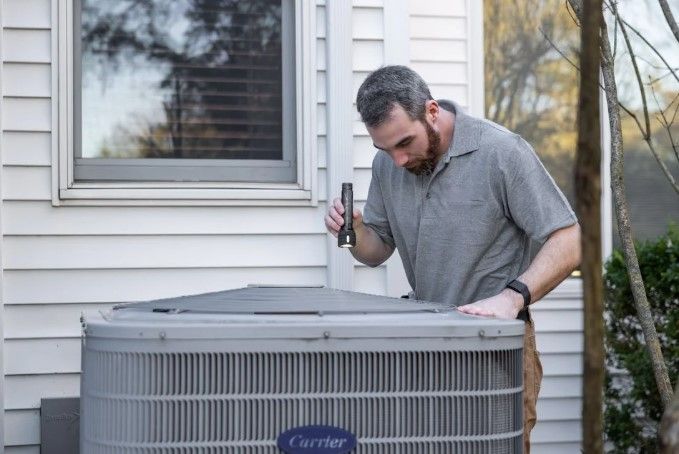
Your outdoor condenser unit needs space to work. When leaves, weeds, or dirt surround it, the system struggles to release heat. That makes it less effective and adds pressure on the compressor.
Clear at least two feet around the unit. Trim any plants or bushes nearby. During fall or after a storm, check for debris that might be stuck on the fins or grill. It’s safe to rinse the unit gently with a garden hose, but don’t use high pressure or poke around inside.
Turn off the power before cleaning. If anything looks damaged or rusted, call a technician. The outdoor unit is tough but still benefits from light upkeep a couple of times a year.
Good HVAC maintenance isn’t complicated. It just takes small, regular habits that help your system stay strong through every season. By paying attention to things like filters, insulation, thermostat settings, and tune-ups, you reduce the chances of breakdowns and improve your home’s comfort.
Even better, your system won’t have to work as hard—so it lasts longer and runs more efficiently. Start with one of the tips from above, and build from there. Your HVAC system will thank you later.


