






Behind the Sparks
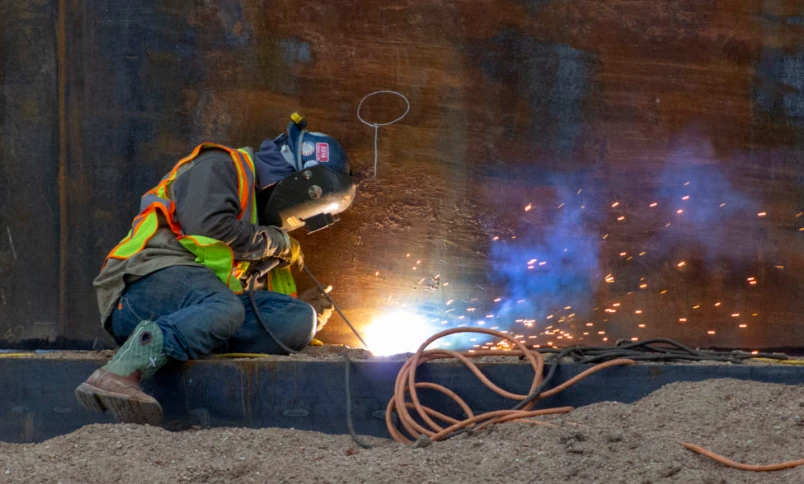
When most people picture welding, they imagine sparks flying in a workshop or beams being fused on a construction site. Yet one of the most important, and often overlooked, applications of welding happens deep inside storage facilities and industrial plants. Here, tanks holding fuel, oil, or chemicals depend on welders to keep them safe and functional.
A tank welder does more than join pieces of metal together. They strengthen storage systems, extend equipment life, and play a vital role in preventing failures that could threaten both people and the environment.
Why Welding Matters in Tank Maintenance
Tanks are constantly under stress—from the weight of their contents, changes in temperature, and environmental exposure. Over time, even the strongest steel develops weak points. Welding is often the best way to restore these tanks, reinforcing walls, repairing cracks, and replacing corroded sections.
Without skilled welders, tanks would deteriorate far more quickly. Their work ensures that these structures remain strong enough to withstand decades of use.
Precision Over Power
Welding inside or around tanks requires a different level of precision compared to general construction. Tanks are confined spaces, and the materials inside or around them may be hazardous. Welders must be trained not only in the craft of welding but also in the safety protocols that come with such high-risk environments.
The goal is not brute strength but accuracy—creating clean, reliable welds that hold under pressure and prevent leaks.
Safety Above All Else
Working as a tank welder involves challenges that go beyond technical skill. Because tanks often contain flammable or toxic materials, strict safety measures are required. Welders must:
- Ensure the tank is properly cleaned and ventilated before work begins.
- Wear protective gear designed for confined space welding.
- Use fire-resistant materials and tools.
- Follow protocols for handling hazardous residues.
These safety steps not only protect the welder but also ensure the tank remains secure after the job is finished.
Extending Tank Lifespan
One of the biggest benefits of skilled welding is how much it extends the life of storage tanks. Instead of replacing an entire unit, welding allows owners to repair and reinforce problem areas. This reduces costs, minimizes downtime, and preserves infrastructure investments.
For businesses, this means keeping critical systems in operation without the disruption of a full replacement project.
Welding as Environmental Protection
Leaks from poorly maintained tanks can cause serious environmental damage. Oil spills contaminate soil and groundwater, while chemical leaks may lead to regulatory fines and cleanup costs. By repairing tanks through precision welding, welders directly reduce the likelihood of such accidents.
In this way, welding isn’t just about maintaining metal—it’s about protecting communities and ecosystems.
The Human Element
Behind every strong weld is a highly skilled professional. Tank welders spend years developing expertise in metallurgy, heat control, and structural reinforcement. Their work is often invisible once completed, but without it, tanks would be unsafe and unreliable.
This human craftsmanship is what transforms sheets of steel into safe, long-lasting storage systems.
The Technology Supporting Welders
Modern welding combines craftsmanship with advanced technology. Today’s welders often use:
- Ultrasonic testing to detect weak spots before repairs.
- Automated welding equipment for consistency in large-scale projects.
- Specialized filler metals that resist corrosion and improve durability.
- Remote-controlled tools to work safely in hard-to-reach areas.
These tools enhance accuracy while keeping welders safer during complex jobs.
Case Example: Repair vs. Replacement
Imagine a facility with a 20-year-old oil tank showing signs of corrosion. Full replacement might cost tens of thousands of dollars and require shutting down operations for weeks. A skilled tank welder, however, can reinforce problem areas, patch leaks, and extend the life of the tank for years—all at a fraction of the cost and downtime.
This example highlights the true value of welders: they provide practical, efficient solutions that balance safety, cost, and reliability.
Why Their Work Is Often Overlooked
Tank welders rarely get public recognition. Their work happens behind closed doors, in basements, or inside industrial plants where few outsiders see it. But every safe storage tank is a quiet testament to their expertise.
Without them, many facilities would face constant breakdowns, environmental hazards, and costly replacements.
Welding as Part of a Bigger Picture
While welding is crucial, it’s also part of a larger system of maintenance. Welders work alongside inspectors, cleaning crews, and engineers to ensure tanks remain in top condition. Together, these professionals form the backbone of safe and reliable storage infrastructure.


