



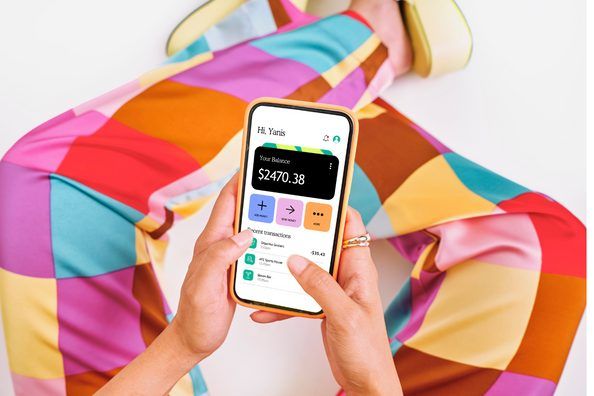
In the fast-evolving world of fintech, where users demand seamless and secure financial experiences, the role of UX/UI design cannot be overstated. From online banking platforms to digital wallets and payment systems, user experience is a critical differentiator. But what makes fintech design truly exceptional, and how can it drive business growth? Partnering with a professional fintech design studio can significantly impact how fintech products engage their users, combining both functionality and aesthetics to create intuitive, secure, and user-friendly platforms.
Why Fintech UX/UI Design Matters
- User Trust and Security
Financial services often deal with sensitive information, which requires top-notch security. A well-designed fintech platform doesn’t just look aesthetically pleasing; it also instills trust through intuitive navigation and secure authentication systems. Users must feel confident about where their money is going, which means creating an interface that clearly communicates security features and risk mitigation. - Simplifying Complex Processes
One of the primary goals of UX/UI design in fintech is to simplify complex financial processes for users. Whether it’s opening a bank account or making a payment, every task should feel intuitive. Design plays a key role in breaking down these complexities, ensuring that users can complete their tasks efficiently, even if they aren’t tech-savvy. - Personalization and User-Centric Design
Personalization is becoming increasingly important in fintech. Users expect experiences tailored to their needs, from customized dashboards to personalized financial insights. A strong UX/UI design not only adapts to the user’s preferences but also anticipates their next move, creating a smoother and more engaging experience.
Key Features of Successful Fintech UX/UI Design
- Clean and Intuitive Layouts
The best fintech platforms use minimalistic designs that make the user journey easy to follow. Unnecessary elements are stripped away, and everything from typography to iconography is purposeful and user-centric. - Responsive Design
In an era where mobile banking is on the rise, responsive design is a must. Fintech platforms need to be just as usable on a smartphone as they are on a desktop, ensuring users have access to their finances at any time, from anywhere. - Clear Navigation and CTA Buttons
Clear, visible call-to-action buttons (CTA) are essential for directing users through the platform, whether it’s a “Pay Now” button or “Open Account” link. Strategic placement of CTAs ensures a smooth user flow and improves conversion rates.


