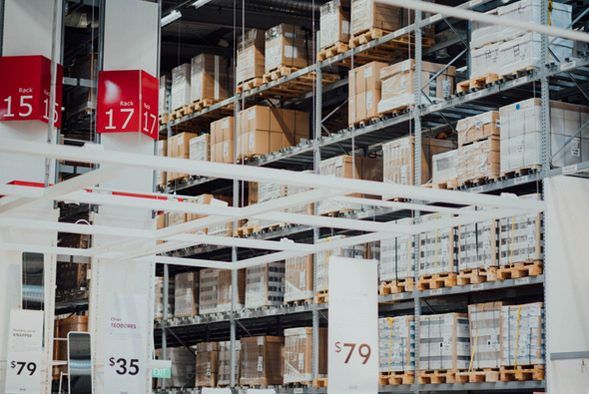
Warehousing is evolving fast. With space at a premium and demand for faster turnaround times, businesses can’t afford to waste a single inch. That’s why many are rethinking how they use their square footage—and more importantly, their vertical space.
Solutions like the vertical carousel, which rotates inventory to workers at optimal heights, are helping teams store smarter, pick faster, and streamline operations like never before.
Use More, Waste Less
Warehouses are running out of room. But here’s the thing—most of them still have space. It’s just above your head.
Vertical storage systems help businesses use all that underutilized air. Instead of expanding outward, companies can go up. Think high-bay racking, vertical lift modules (VLMs), mezzanines. These systems take advantage of volume, not just square footage.
This matters, especially as warehouse rental rates rise. According to Statista, the global warehousing and storage market was worth over $477 billion in 2022. With demand growing, making the most of each location is critical.
Speed Without the Sprint
One major win with vertical storage? Faster picking.
In traditional warehouses, workers walk. A lot. Up and down aisles. Sometimes for miles each day. That wastes time and energy. VLMs and automated towers bring the items to the worker. No ladders, no hunting. Just push a button, and the tray comes down.
This approach slashes walking time by as much as 60%. Fewer steps mean more orders per hour. It also leads to fewer picking errors—since products are better organized and easier to access.
Double the Storage, Same Footprint
Floor space is expensive. But ceilings? They’re free real estate.
Adding mezzanine levels or installing vertical racking can multiply your storage capacity—without leasing more land. A two-level setup instantly gives you twice the space. In areas with high ceilings, that’s a game changer.
Some warehouses go even higher. High-bay systems can reach up to 130 feet. With automated cranes or lifts, even the highest shelves are accessible without forklifts or ladders.
This isn’t just smart—it’s survival, especially in urban areas where warehouse space is limited.
Scale Without the Headache
Vertical storage grows with you. Most systems are modular. You can add racks, new levels, or more lift columns as your inventory grows.
No need to move buildings. No need to halt operations for weeks. Just expand your system.
This flexibility is especially helpful for seasonal businesses. During peak seasons, you can scale up. When things slow down, scale back—or repurpose that space.
Safer Work = Happier Teams
Climbing ladders and lifting heavy boxes isn’t just tiring—it’s risky.
Vertical storage reduces those risks. Automated systems and smart layouts mean fewer awkward lifts and less climbing. Most VLMs deliver items at waist height. That’s easier on the body.
It also makes the floor safer. Fewer forklifts moving through tight aisles. Less chance of collisions or dropped loads. When employees feel safer, they tend to stay longer. That’s huge in a labor market where hiring and training are expensive.
Tighter Inventory Control
Vertical systems often integrate with warehouse management software. Each bin, tray, or drawer gets a digital address. That makes tracking and organizing easier.
You can monitor stock levels in real time. Set alerts when inventory runs low. Reduce over-ordering. You can also rotate products more efficiently—helpful for perishable or time-sensitive goods.
Plus, vertical systems are ideal for secure storage. Some even require access codes or badges to retrieve high-value items. That’s extra control for sensitive or regulated inventory.
Less Space, Less Energy
Smaller warehouse footprints use less lighting, heating, and cooling. That means lower utility bills—and a smaller carbon footprint.
Some vertical systems include smart power features. For example, VLMs can pause when idle or use regenerative braking. Add LED lighting or motion sensors, and the savings add up.
For companies focused on sustainability or ESG goals, this is a win. Vertical storage helps you do more with less—environmentally and financially.
Lower Cost Over Time
Yes, installing vertical systems can be pricey. But the payoff comes quickly.
You store more in the same space. You process orders faster. You reduce labor costs. And you cut down on returns, thanks to fewer picking errors.
Depending on the setup, businesses often recover the cost in 1–3 years. After that, it’s all gain.
Also worth noting: higher storage density can delay or eliminate the need for a second warehouse. That’s a huge long-term saving.


Final Word: Up Is the New Out
In warehousing, bigger isn’t always better. Smarter is.
Vertical storage solutions help businesses grow without sprawl. They’re faster, safer, and more efficient. They reduce waste, both in space and labor. And they give companies a way to keep up with rising demand—without rising costs.
If you’ve got height, use it. Your warehouse doesn’t need more ground. It just needs a better way to go up.