






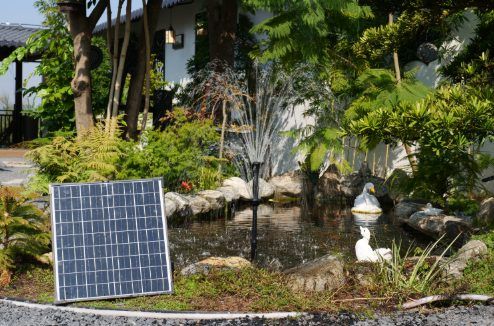
Solar powered water pumps turn sunlight into energy to move water. They serve farms, homes, and gardens. In 2025, these systems gain ground as people seek clean energy options. They cut reliance on fuel and grids. This matters for water access in dry areas. Readers may find value in how these pumps fit daily needs.
Current Market Trends
The solar pumps market stands at USD 1.99 billion in 2025. It grows at a CAGR of 13.5% to reach USD 7.08 billion by 2035. Agriculture drives 58% of this growth. Governments offer subsidies to boost use.
Asia Pacific leads with high growth. India sees 15.2% CAGR due to farm programs. China follows at 14.8%. North America holds 41.3% share, with the US at 13.7% CAGR. Europe grows at 13.6%, led by Germany.
Tech advances play a role. IoT sensors allow remote checks. AI helps predict fixes. Battery storage improves work on cloudy days. Hybrid models mix solar with diesel for steady flow.
For fountain pumps, upgrades include colorful lights and glass panels. These last longer and work in low light. Sales rise for home gardens and ponds.
| Region | Market Share in 2025 | Projected CAGR to 2035 |
| Asia Pacific | 22.7% | 15% (average across key countries) |
| North America | 41.3% | 13.7% |
| Europe | Not specified | 13.6% |
| Latin America | Not specified | 14.1% (Brazil leading) |
Benefits of Solar Powered Water Pumps
These pumps offer clear gains. They run on free sunlight. No fuel costs after setup. This saves money for users.
For Agriculture
Farms need steady water. Solar pumps provide it without grids. They suit remote spots. Submersible types handle deep wells.
Cost savings stand out. No diesel bills. Low upkeep due to few parts. They reduce carbon output. This aids green farming.
Efficiency matters. DC pumps work directly from panels. They hold 53% market share. AC types need inverters but fit larger sites.
Pumps like 0.4HP kits serve small fields. Larger 3.0HP models irrigate big areas. Flow rates reach 40 gallons per minute.
In Pakistan, farmers switch to solar for smooth supply. This boosts crop yields. In Africa, they help rural water access.
Check our solar powered water pump options for farm needs.
For Garden Features and Fountains
Home users value easy setup. No wires to outlets. Solar fountain pumps add calm to yards.
They create sprays and flows. Models with batteries run at night or in shade. Flow rates fit small ponds at 50-100 GPH.
Durability counts. Weather-resistant panels last. Submersible designs protect from elements.
Benefits include low noise and simple care. They attract birds and wildlife. Eco gains reduce power use.
Upgraded kits have high lift, up to 820 feet. This suits cascades or jets.
See our fountain pumps for garden ideas.
| Pump Type | Flow Rate (GPM) | Lift (Feet) | Best Use |
| 0.4HP Submersible | 2.6-3 | 260-655 | Small gardens, shallow ponds |
| 1.34HP Submersible | 5-6 | 295-820 | Medium fountains, deep wells |
| 3.0HP Brushless | 19-40 | 35-185 | Large ponds, cascades |
Challenges Facing Adoption
High upfront costs slow spread. Systems cost more than diesel pumps. Small farmers struggle.
Sunlight limits work. Cloudy days reduce output. Batteries help but add expense.
Water issues arise. In Pakistan, solar pumps lead to over-pumping. Water tables drop 25% in some areas since 2020.
Grid use falls 45% in agriculture there. This strains resources. Conflicts over water grow.
Maintenance needs skill. Debris clogs intakes. Cold weather harms parts if not stored.
Policies vary. Some areas lack rules on well depth. This risks depletion.
Experts call for monitoring. Real-time data can track levels. Pilots recharge aquifers in over 40 sites.

Future Outlook
By 2032, the market may hit USD 5.76 billion. CAGR stays at 13%.
Trends include smart tech. AI optimizes flow. Decentralized systems grow.
Costs fall. Panels drop 80% in price over years. This aids access.
In farming, hybrid setups rise. They ensure water in low sun.
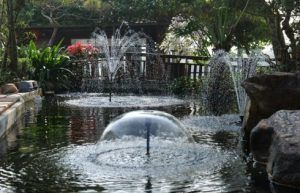
For fountains, LED lights and backups trend. They extend use.
Global push for clean energy helps. Programs in India and Europe expand reach.
Users gain from reliable water. This supports food and leisure.
Final Thoughts
Solar powered water pump growing in 2025. They offer cost savings and green benefits. Challenges like costs and weather exist. Trends show tech fixes ahead. Consider your needs. Farms gain from steady irrigation. Gardens add beauty with low effort.


