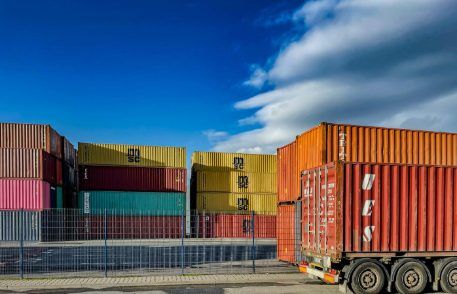
As businesses grow, one of the first operational pressures they face is space. Inventory expands, equipment accumulates, and the existing footprint quickly feels limited. This “scaling squeeze” often appears in subtle ways, such as slower order fulfillment or cluttered work areas. Over time, it can become a serious constraint that impacts productivity and decision-making.
Expanding a warehouse or relocating is not always practical. These options can take months to execute and require significant investment. As a result, many business owners seek faster, more flexible ways to increase storage capacity without disrupting daily operations. Optimizing storage is not just about adding more space. It is about using existing space more efficiently so teams can work faster and more accurately. A strategic approach helps reduce wasted time, improve inventory control, and support sustainable growth.
Recognizing When Your Business Has Outgrown Its Space
Many businesses do not realize they have outgrown their storage capacity until inefficiencies become obvious. Teams start spending more time searching for items, walkways become crowded, and inventory begins to overflow into areas not designed for storage. These issues often lead to delays, higher labor costs, and frustrated employees who struggle to maintain order in a constrained environment.
When expansion is not immediately feasible, companies look for solutions that can be implemented quickly. This is where flexible options come into play. Instead of committing to long construction timelines, many businesses choose to buy shipping containers to add secure, weather-resistant on-site storage. This approach allows them to respond to growing demand without disrupting operations or incurring high upfront costs.
The Hidden Costs of Inefficient Space Utilization
Poor space utilization can quietly drain resources. When storage areas are not organized effectively, businesses end up paying for space they are not fully using. This increases the cost per unit of storage and reduces overall efficiency. Over time, these inefficiencies add up, impacting profitability even if they are not immediately visible on financial reports.
Operational challenges also become more pronounced. Employees may need extra time to locate inventory, which slows down order processing and increases the likelihood of mistakes. In addition, cluttered environments can create safety risks, leading to potential compliance issues or workplace incidents. Addressing these inefficiencies early helps businesses avoid unnecessary costs and maintain smoother operations.
Maximizing Vertical Space with High-Density Storage Solutions
One of the most effective ways to increase storage capacity without expanding the physical footprint is to build upward. High-density storage systems, such as pallet racking and mezzanines, enable businesses to use vertical space that is often underutilized.
Beyond added space, vertical storage improves organization and accessibility. Items can be categorized more clearly, and retrieval times are reduced when everything has a designated place. From a financial perspective, investing in vertical solutions often delivers a strong return compared to leasing or building additional space. It allows businesses to scale efficiently while maintaining control over operational costs.
Leveraging Modular and Off-Site Storage Options
Modular storage gives businesses the flexibility to scale space as needed without committing to permanent expansion. These solutions can be deployed quickly and adjusted over time, making them ideal for companies with fluctuating storage demands. Instead of overinvesting in fixed infrastructure, businesses can match capacity with real-time needs and avoid unnecessary overhead.
Off-site storage also plays a valuable role in freeing up primary workspace. By relocating less frequently used inventory or equipment, companies can dedicate their main facilities to high-priority operations. This separation improves efficiency and helps teams stay focused on core tasks, free from the distractions of overcrowded storage areas.
Using Inventory Management Systems to Enable Lean Storage
Technology has become essential for efficiently managing storage. Modern inventory systems provide real-time visibility into stock levels, locations, and movement patterns. With accurate data, businesses can make informed decisions about how much inventory to keep on hand and where to store it.
Lean storage focuses on reducing excess while maintaining readiness to meet demand. Inventory software supports this by identifying slow-moving items, forecasting trends, and preventing overstocking. As a result, businesses can use their available space more effectively and avoid tying up capital in unnecessary inventory.
Streamlining Warehouse Layouts for Better Workflow
A well-designed warehouse layout can significantly improve the use of space. Clear pathways, logical zoning, and strategic placement of frequently accessed items help reduce unnecessary movement. When employees can navigate the space easily, tasks get completed faster and with fewer errors.
Regularly reviewing and adjusting the layout is just as important as the initial design. As product lines and order volumes change, the layout should evolve to reflect new priorities. Continuous improvement ensures that the storage system remains efficient and aligned with current business needs.
Choosing Between Climate-Controlled and Ambient Storage
Not all inventory has the same storage requirements. Some products, such as electronics or temperature-sensitive materials, require climate-controlled environments to maintain quality. Businesses need to carefully evaluate their inventory to determine which items require protection from heat, humidity, or cold.
While climate-controlled storage can be more expensive, it often prevents costly damage or loss. For less sensitive goods, ambient storage may be sufficient and more cost-effective. Making the right choice helps businesses balance protection with budget considerations while ensuring product integrity.
Planning for Seasonal Demand and Temporary Storage Needs
Many businesses experience fluctuations in demand throughout the year. Peak seasons can quickly overwhelm existing storage capacity if not planned for in advance. Temporary storage solutions allow you to handle these spikes without committing to long-term expansion.
Flexible options allow businesses to scale up during busy periods and scale back when demand stabilizes. This approach keeps operations running smoothly without creating excess capacity during slower months. Planning for seasonal changes helps maintain efficiency and supports consistent service levels.
Building a Scalable Storage Strategy for Long-Term Growth
Increasing storage capacity is not just about adding space. It involves making smarter decisions about how that space is used and how it supports daily operations. From modular solutions to better layouts and technology, each strategy contributes to improving efficiency and reducing costs.
Businesses that take a proactive approach to storage are better positioned to grow without disruption. By aligning storage decisions with operational goals, they create systems that adapt as the company evolves.