



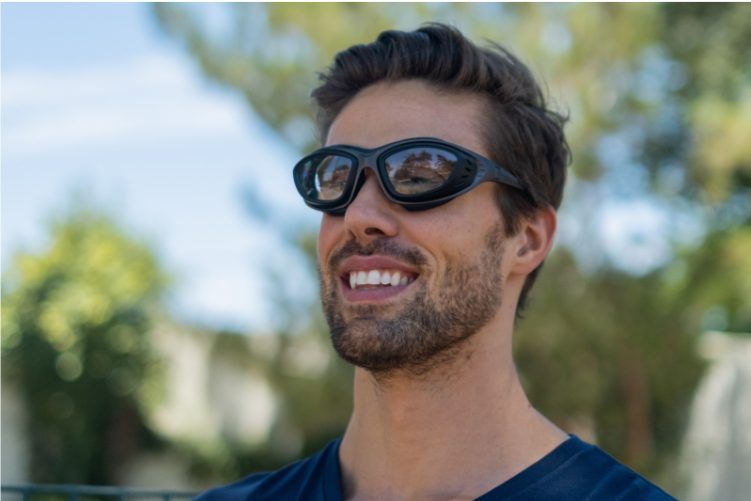
Imagine trying to complete a delicate task while looking through a foggy window. The importance of clear vision in performing tasks accurately and safely cannot be overstated. In many workplaces, particularly those involving manual labor or the handling of hazardous materials, the risk of injury is significantly increased if an employee’s vision is impaired. Prescription safety glasses play a crucial role in mitigating these risks, offering both clear vision and robust eye protection. This article explores how prescription safety glasses enhance workplace safety and why they should be an integral part of personal protective equipment (PPE) in industries where eye protection is essential.
The Role of Clear Vision in Workplace Safety
Clear vision is a foundational element of workplace safety. In the United States, the Occupational Safety and Health Administration (OSHA) reports that thousands of workers suffer eye injuries each year, many of which could have been easily prevented with proper eye protection. Impaired vision is often a contributing factor in these accidents, whether due to existing vision problems or the use of inappropriate eyewear.
In industries like manufacturing, construction, and healthcare, where precision and accuracy are paramount, poor vision can result in significant safety hazards. Misjudging the placement of a tool, failing to see a potential hazard in the periphery, or experiencing eye strain from improper eyewear can lead to accidents that might have serious if not fatal, consequences.
Benefits of Prescription Safety Glasses
Prescription safety glasses offer a unique combination of vision correction and protective features, making them indispensable for workers in hazardous environments.
1. Integrated Protection and Vision Correction
One of the primary benefits of prescription safety glasses is that they eliminate the need to wear both prescription glasses and protective goggles. This integration ensures that the wearer has both clear vision and protection against potential hazards without the discomfort or inconvenience of layering eyewear.
2. Accurate Vision
Clear and accurate vision is essential for performing tasks safely and efficiently. Prescription safety glasses provide the exact vision correction needed by the individual, enabling them to see clearly and perform their tasks with precision. This is particularly important in environments where mistakes can lead to injury or costly errors.
3. Impact Resistance
The lenses in prescription safety glasses are typically made from impact-resistant materials like polycarbonate, which can withstand significant force without breaking. This is crucial in environments where flying debris, sparks, or chemical splashes are common hazards.
4. Enhanced Comfort
Wearing a single pair of prescription safety glasses is generally more comfortable than juggling separate pairs of prescription glasses and safety goggles. This improved comfort can lead to better compliance with safety protocols, as workers are more likely to wear their protective eyewear consistently if it is comfortable.
5. Reduced Eye Strain
Poor vision can lead to eye strain, headaches, and fatigue, all of which can reduce productivity and increase the likelihood of accidents. Prescription safety glasses help reduce these issues by providing clear vision and protecting the eyes from environmental hazards, which in turn supports better overall work performance. For those who also spend significant time in front of screens, blue light glasses amazon can provide an extra layer of protection, helping to reduce digital eye strain and improve comfort.
6. Custom Fit
Prescription safety glasses can be tailored to the wearer’s specific prescription and face shape, ensuring a snug and secure fit. This customization helps prevent the glasses from slipping or becoming uncomfortable during long work shifts, further enhancing safety and comfort.
Choosing the Right Prescription Safety Glasses
Selecting the right prescription safety glasses involves considering various factors, including lens materials, coatings, and frame styles, all tailored to meet the specific demands of your work environment and personal preferences.
Lens Options
The material of the lenses plays a critical role in both safety and comfort. Polycarbonate lenses are among the most popular choices due to their outstanding impact resistance and lightweight nature. These lenses are designed to withstand significant force without shattering, making them ideal for environments with a high risk of flying debris or sudden impacts. Their lightweight construction also ensures that they are comfortable to wear for long duration, reducing strain on the wearer’s face and nose.
Anti-Fog and Anti-Scratch Coatings
In challenging work environments, maintaining clear vision is essential, and the right coatings can make a significant difference. Anti-fog coatings are particularly useful in environments where humidity or temperature fluctuations can cause lenses to fog up, ensuring that your vision remains unobstructed. Additionally, anti-scratch coatings protect the lenses from minor abrasions, helping to maintain clarity and extending the lifespan of the glasses. These coatings enhance the functionality of prescription safety glasses, making them more durable and reliable in demanding conditions.
Frame Styles
The style of the frames is another crucial consideration, as it impacts both protection and comfort. Wraparound frames are especially beneficial for providing full peripheral protection. These frames curve around the face, offering a broader field of vision and additional coverage against hazards that might approach from the side, not just the front. This design is particularly important in industries where comprehensive eye protection is necessary.
Adjustable Features
For those seeking a personalized fit, adjustable features such as nose pads and temple arms are available in many prescription safety glasses. These adjustable elements allow the glasses to conform to different face shapes, ensuring that they stay securely in place even during vigorous activity. A customizable fit not only enhances comfort but also reduces the need for constant adjustments, allowing workers to fully focus on their respective tasks without distraction.
Ensuring Compliance with Safety Standards
For prescription safety glasses to be effective, they must meet specific safety standards. In the U.S., the American National Standards Institute (ANSI) sets the criteria for protective eyewear under the ANSI Z87.1 standard. Glasses that meet this standard provide assurance that they offer adequate protection against impact, chemical splashes, and other workplace hazards. Industry-specific regulations may also dictate additional requirements for eye protection, so it’s important to ensure that your prescription safety glasses comply with all relevant standards.
Tips for Transitioning to Prescription Safety Glasses
Making the switch to prescription safety glasses is a straightforward process, but there are a few tips to ensure a smooth transition.
- Get an accurate prescription from an optometrist.
- Start by wearing the glasses for short periods.
- Use the glasses consistently during work hours.
- Monitor for any discomfort and consult your optometrist if needed.
- Be patient as your eyes adjust to the new lenses.
Conclusion
Prescription safety glasses are a vital component of workplace safety, providing both vision correction and protection from hazards. With clear vision, workers can perform tasks more accurately and safely, improving overall productivity. Whether you’re in construction, manufacturing, healthcare, or any other industry where eye protection is essential, consider assessing your current eyewear and making the switch to prescription safety glasses for enhanced safety and comfort.
Ready to upgrade your workplace safety? Visit CA Glasses to explore a wide range of prescription safety glasses designed to meet your specific needs.


