



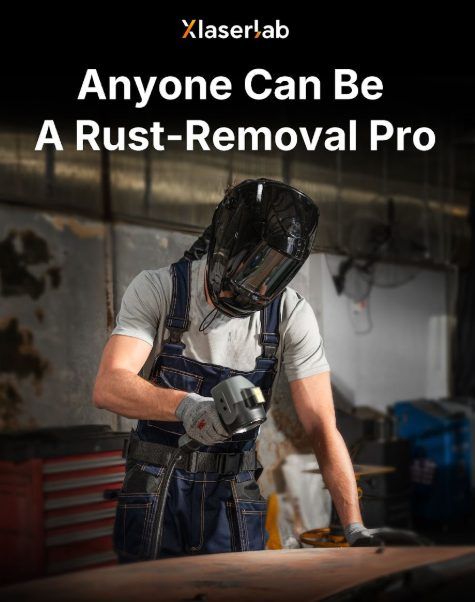
As shared manufacturing spaces, makerspaces, and hardware incubators mature, their value proposition is shifting. Success is no longer defined merely by the number of machines on the floor, but by the reliability of the output those machines produce. For operators, the transition from a “hobbyist gym” to a professional production platform requires a fundamental change in how operations are managed.
In this transition, quality control and operational consistency become the primary hurdles to scaling. As facilities attract a wider range of users—from early-stage startups to enterprise prototyping teams—the variability in user skill levels becomes a significant operational risk. One capability, often underestimated, is emerging as a foundational element of scalable operations: standardized surface cleaning.
The Operational Burden of Variable Skill Levels
Shared manufacturing spaces are evolving into structured production platforms. However, as the user base expands, operators face a “consistency gap.” While the facility may provide high-end CNC mills and welding rigs, the results are often inconsistent.
Operators frequently encounter wide variations in fabrication outcomes across projects and an increase in quality complaints related to welding or finishing. In many cases, these issues lead to rework, safety concerns, and reputational risk for the facility. For operators focused on long-term growth, managing these challenges through ad hoc supervision is no longer sustainable.
The root cause of these quality issues is often not the fabrication equipment itself, but the lack of a unified process before the work begins. Surface condition plays a decisive role in weld stability and adhesion. When users rely on manual wiping, wire brushing, or improvised chemical cleaning, the outcomes vary wildly based on individual experience. In a shared space, this variability translates directly into higher management overhead and conflict resolution.
Upgrading from Individual Action to Platform Capability
To scale effectively, shared manufacturing spaces must move key quality factors out of the realm of individual user control and into standardized, managed processes. The goal is to turn surface treatment into a predictable platform capability rather than an uncontrolled variable.
This is where the concept of a dedicated cleaning workstation becomes critical. By establishing a centralized station for pre- and post-process treatment, operators create a clear, repeatable step that acts as a quality gate.
Forward-thinking facilities are increasingly adopting solutions like the xlaserlab laser cleaning system to anchor these workstations. Unlike mechanical abrasion which generates dust, or chemical solvents which pose significant liability and ventilation challenges, laser cleaning offers a controlled, non-contact method that is ideally suited for open, multi-user environments.
The Q1 Workstation: A Module for Consistency
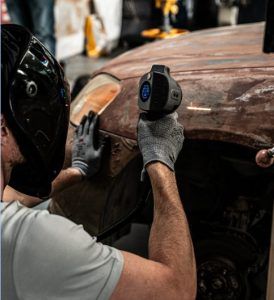

The Xlaserlab Q1 is designed to function as an operational module within a shared workflow. Its adoption allows cleaning to be documented, trained, and monitored, transforming it from a personal technique into a facility standard.
Risk Mitigation and Safety In a shared environment, safety is the ultimate constraint on growth. Traditional chemical cleaning requires strict hazmat protocols that are difficult to enforce with a transient user base. The Q1 eliminates this risk entirely by removing the need for solvents. Additionally, its integrated fume extraction capabilities ensure that contaminants are captured at the source, maintaining indoor air quality for all members.
Standardized Pre-Weld Preparation By routing parts through a central Q1 station before welding, facilities can reduce the variation caused by different user practices. Whether a user is prepping aluminum for TIG welding or cleaning steel for a structural bracket, the machine provides a consistent baseline of cleanliness. This reduces the likelihood of weld porosity and defects, which in turn reduces the burden on staff to troubleshoot “equipment failures” that are actually surface prep failures.
Versatility for Diverse Projects Shared spaces host a chaotic mix of materials. The adaptability of laser cleaning allows a single station to support diverse needs. The Q1’s MOPA technology allows users to switch between aggressive rust removal for restoration projects and delicate cleaning for precision electronics or thin-gauge metals, maximizing the utilization of the asset.
Strategic Benefits for Operators
Integrating a standardized cleaning workstation is not just an equipment upgrade; it is a strategic investment in operational maturity.
For the facility operator, it drives higher baseline manufacturing quality across all users, reducing the friction associated with failed projects. It lowers management costs by reducing the need for constant supervision of hazardous cleaning chemicals. Most importantly, it increases the facility’s appeal to higher-value clients—SMEs and enterprise teams—who require professional-grade consistency for their prototyping and low-volume production.
Conclusion
The future of shared manufacturing lies in shared capabilities, not just shared tools. As spaces scale, their value will increasingly be defined by process reliability and the ability to deliver consistent outcomes for members.
Surface treatment is emerging as a critical part of this new infrastructure layer. Within this context, the Xlaserlab Q1 illustrates how a single capability can support quality control, operational scalability, and long-term brand positioning. For CEOs and operators focused on growth, standardized cleaning workstations are a strategic foundation for a professional, scalable manufacturing environment.


