






Purpose before appearance
Every design process begins with clarity about purpose. A product design agency defines what a product needs to achieve and under which conditions it will operate. This includes functional requirements, constraints, and expected user behaviour. Visual decisions follow from these insights. When purpose leads the process, the resulting product feels coherent and understandable.
Translating ideas into form
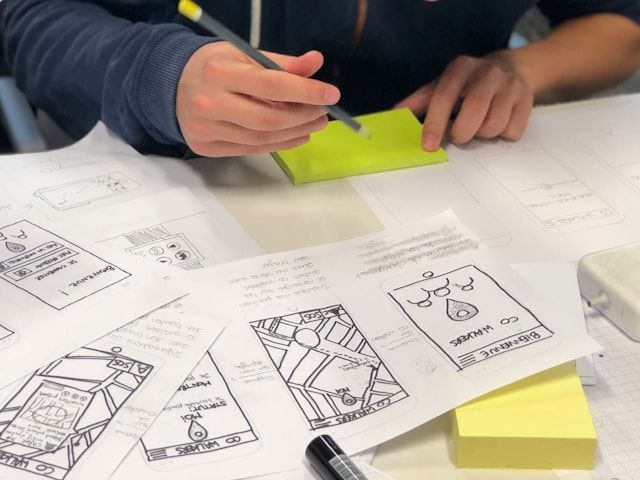
Abstract ideas gain meaning once they are given shape. Sketches, digital models, and early prototypes are used to test proportions, ergonomics, and interaction. These tools help evaluate multiple directions quickly. A product design agency uses this phase to narrow options and establish a strong foundation before detailed development begins.
Managing complexity through structure
Product design often involves technical limits, cost targets, and production requirements. Without structure, these factors can conflict. A product design agency applies a clear process with defined phases and decision points. This approach keeps projects manageable and allows informed choices at the right moment, reducing uncertainty later in development.
Integration of engineering insight
Design decisions influence strength, safety, and manufacturability. A product design agency works closely with engineering disciplines to ensure that form and function support each other. Material selection, wall thickness, and assembly logic are considered early. This integration avoids designs that require heavy modification during production preparation.
Prototyping and evaluation
Prototypes play a central role in refining a design. Early versions may focus on ergonomics and scale, while later ones address durability and performance. Testing reveals weaknesses that are not visible on screen. Through evaluation and adjustment, the design becomes more robust and reliable. Each iteration adds confidence to the final outcome.
Usability as a design driver
Usability is a defining quality of good products. Controls, interfaces, and physical interactions are designed to feel natural. A product design agency pays attention to how users hold, move, and interpret a product. Clear feedback and intuitive operation reduce errors and increase acceptance. Products that are easy to use often require less explanation.
Design for production reality
A design only succeeds if it can be produced consistently. Manufacturing methods, tolerances, and supply constraints influence design choices. A product design agency anticipates these factors and adapts designs accordingly. This attention prevents late-stage changes and supports smoother transitions from development to production.
Durability and long-term thinking
Product design extends beyond launch. Lifespan, maintenance, and repairability are part of responsible design decisions. Materials and construction methods influence how a product ages. A product design agency considers these aspects to create products that remain functional and relevant over time, reducing waste and unnecessary replacement.
A balanced closing reflection
A product design agency contributes more than visual solutions. By combining structured thinking, technical awareness, and attention to use, ideas are transformed into dependable products. For organizations developing new products, insight into this process can be valuable. Some agencies share their design approach through guides or case studies, offering a practical reference before deeper collaboration begins.


