



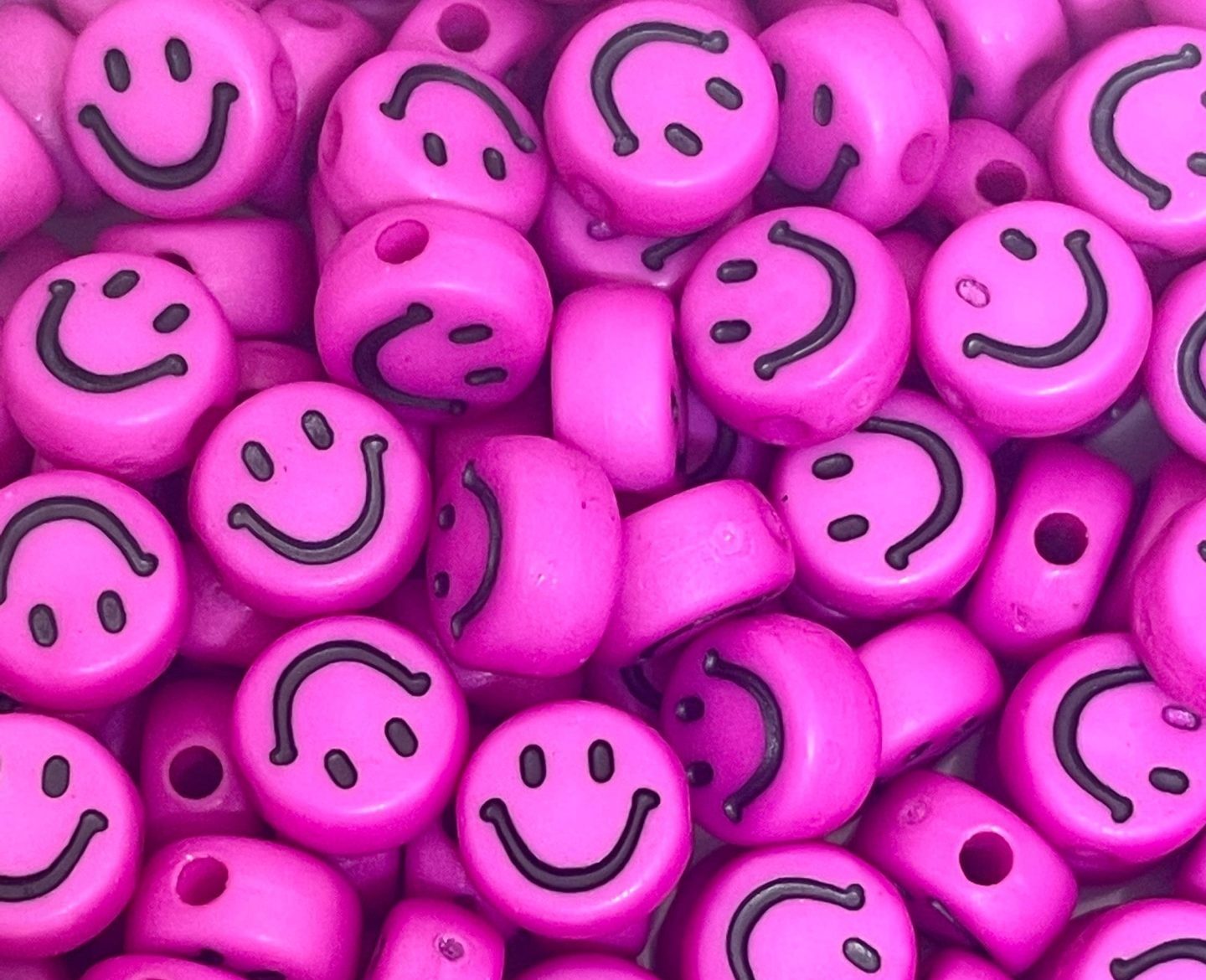
Pink Emoji Face has quickly become one of the most popular symbols in digital communication. Its soft, pastel color and expressive design make it ideal for conveying affection, warmth, and emotional connection. The Pink Emoji Face Meaning goes beyond a simple reaction—it represents subtle emotions like shyness, friendliness, and positivity, which words often fail to capture.
Widely used on social media platforms like TikTok, Instagram, and Snapchat, the Pink Emoji Face has become a staple in aesthetic edits, memes, and messages. Its viral use continues to grow, turning it into a cultural symbol for emotional expression across generations and online communities.
Pink Emoji Face Overview: What the Pink Emoji Face Meaning Really Is
The Pink Emoji Face has become one of the most expressive symbols used in digital conversations today. When exploring the Pink Emoji Face Meaning, it becomes clear that users rely on it to show warmth, affection, softness, and emotional vulnerability. Unlike traditional yellow emojis, the Pink Emoji Face uses its unique color to create a more aesthetic and expressive tone.
Many people online use this emoji to communicate friendly emotions, flirtation, or emotional closeness without needing words. With its rising popularity on platforms like TikTok and Instagram, the Pink Emoji Face has evolved into a universal visual language.
Its soft shade of pink makes it stand out among other emojis, giving it a unique identity associated with love, positivity, and wholesome energy. This growing popularity is the reason behind its widespread viral use across social media.

How the Pink Emoji Face Became a Viral Use Trend Online
The Pink Emoji Face did not become popular overnight—its rise came from a combination of TikTok trends, aesthetic edits, and meme culture. Many creators used the emoji to add softness, humor, and emotional depth to short-form videos.
This led to a massive viral use spike that spread across multiple platforms. Its gentle color tone matched trending online aesthetics such as “soft girl,” “kawaii edits,” and “bubblecore,” making it visually irresistible.
As more users incorporated the Pink Emoji Face into captions, reaction videos, and short emotional expressions, its visibility grew exponentially. Influencers played a major role, too, often using it to show vulnerability, affection, or playful charm. Within weeks, the Pink Emoji Face transformed from a simple emoji into a cultural symbol. The trend amplified through reposts, duets, edits, and meme formats, securing its place in global digital communication.
The Hidden Symbolism Behind the Pink Emoji Face
The Pink Emoji Face carries deeper layers of meaning beyond its cute and colorful appearance. Many users associate it with emotions such as care, innocence, sweetness, and emotional softness. When people talk about the Hidden Symbolism, they often refer to the subtle emotional cues this emoji expresses—especially when words feel too direct or overwhelming.
The color pink is universally linked to warmth, compassion, and emotional comfort, which amplifies the Pink Emoji Face Meaning. It symbolizes emotional openness, kindness, and a desire to connect gently. In many online communities, the emoji also represents self-love and emotional healing.
Its use in comforting messages, aesthetic edits, and soft-tone conversations highlights its role as a supportive emotional signal. Users rely on this emoji to convey emotional depth without appearing too intense. This symbolic meaning is why the Pink Emoji Face continues to trend across digital culture.
How Teens and Gen Z Interpret the Pink Emoji Face Meaning
For teens and Gen Z, the Pink Emoji Face is more than just a digital symbol—it’s a form of emotional identity. When interpreting the Pink Emoji Face Meaning, younger audiences often use it to express affection, shyness, vulnerability, or soft reactions.
It has become a preferred emoji for flirting, supportive messages, and wholesome online conversations. Gen Z tends to avoid overly direct emotional expression, so the Pink Emoji Face offers a subtle yet meaningful alternative.
It communicates a feeling without stating it openly. They use it in friendship chats, romantic messages, and aesthetic posts. The pink color fits perfectly with Gen Z’s love for pastel aesthetics, “soft girl” vibes, and kawaii culture. Because Gen Z shapes online trends, their heavy usage helped push the Pink Emoji Face into mainstream popularity. Over time, it became a symbolic expression of youthful emotional communication.
Emotional Expressions Connected to the Pink Emoji Face
The Pink Emoji Face is heavily associated with emotional warmth, making it ideal for expressing soft emotions. It conveys tenderness, positivity, admiration, and appreciation—feelings that are often difficult to express in words. Many people use the Pink Emoji Face Meaning to show they care about someone in a gentle, non-intimidating way.
It can also represent shy happiness, playful affection, or wholesome reactions. When paired with text, it often softens the tone of the message, creating emotional balance. People use it during heartfelt conversations or when offering emotional support.
It also works as a reaction emoji for cute pictures, compliments, or meaningful interactions. The emotional expressions connected to the Pink Emoji Face make it versatile across different communication styles. It evokes a sense of comfort and calmness, which explains why users continue to rely on it in everyday interactions.
Funny TikTok Emoji: Viral Icons That Make Your Posts Pop
Why the Pink Emoji Face Is Becoming a Global Online Language
The Pink Emoji Face has reached global popularity because it transcends cultural and linguistic boundaries. People all over the world recognize its emotional tone instantly. This universal appeal contributes to why the Pink Emoji Face Meaning has become a shared online language.
Emojis, especially those with strong emotional visuals, help people overcome communication barriers. The soft color and gentle design allow the Pink Emoji Face to convey kindness, affection, and warmth in any culture.
As social media continues to unify global communication, users adapt symbols like this to express themselves more easily. The emoji’s presence in memes, reaction photos, and aesthetic edits further boosts its global visibility. It is now widely used in Asia, Europe, the Middle East, and the Americas. Its ability to convey emotion without words is why the Pink Emoji Face functions as a universal digital expression.
Comparing the Pink Emoji Face with Other Viral Emoji Trends
When comparing the Pink Emoji Face to other emojis, it stands out due to its emotional softness and aesthetic appeal. Traditional yellow emojis communicate general expressions, but the Pink Emoji Face Meaning carries added emotional depth because of the color pink. This sets it apart from other viral emoji trends, such as the crying emoji, skull emoji, or heart emojis.
While those express intense emotions—humor, sadness, or excitement—the Pink Emoji Face represents tenderness and gentle feelings. It is more subtle and refined, making it popular in aesthetic communities and soft conversations.
Other emojis may be loud or dramatic, but the Pink Emoji Face communicates quiet affection. This is why it resonates so strongly with younger generations who prefer nuanced emotional expression. Its distinct visual style places it among the top viral emojis dominating digital communication today.
Social Media Platforms Where the Pink Emoji Face Is Most Used
The Pink Emoji Face has become widely used across major social media platforms, each contributing to its popularity. TikTok played the biggest role in amplifying the Pink Emoji Face Meaning, where creators used it in captions, edits, filters, and emotional videos.
Instagram also boosted its visibility, especially in aesthetic stories, reels, and comment sections. Many influencers use the emoji to match pastel themes and soft-color feed aesthetics. On Snapchat, the Pink Emoji Face is used frequently in private chats to express affection or friendly emotional responses.
Twitter (X) sees heavy use of the emoji in memes, replies, and emotional posts. Even messaging platforms like WhatsApp and Messenger now show an increase in Pink Emoji Face usage. Each platform adds its own cultural interpretation, helping the emoji become one of the fastest-spreading viral use symbols across digital spaces.
Psychological Reasons People Relate to the Pink Emoji Face
The Pink Emoji Face appeals deeply to human psychology, especially in digital communication. Pink is naturally associated with comfort, warmth, and emotional safety, which influences how users interpret the Pink Emoji Face Meaning.
People gravitate toward visual symbols that feel soothing and emotionally expressive. The soft color palette makes the emoji psychologically calming, helping users communicate gentle emotions. In a world where digital conversations can easily feel cold or distant, the Pink Emoji Face creates emotional closeness.
Psychologists note that color affects mood, and pink is widely linked to friendliness and affection. This explains why many people rely on it to soften messages or express hidden emotions. It acts as a safe emotional signal that reduces social anxiety and misunderstandings. Users feel connected through shared emotional expression, which increases the Pink Emoji Face’s long-lasting relevance and digital appeal.
The Role of Color Psychology in the Pink Emoji Face Meaning
Color psychology plays a major role in shaping the Pink Emoji Face Meaning. The pink color is widely associated with love, compassion, innocence, and comfort. These emotional associations influence how people interpret the Pink Emoji Face in digital conversations. Pink also represents emotional softness and reassurance, making this emoji ideal for expressing tender feelings.
The calming nature of the color allows users to convey affection without appearing overly intense. This is why the Pink Emoji Face has become a favorite in friendly and romantic conversations. The psychology of pink shows that people feel more relaxed when interacting with gentle color tones, which strengthens emotional communication.
By combining facial expression with a soothing color, the Pink Emoji Face becomes a powerful emotional symbol. This strong psychological impact is a major reason behind its increasing viral use and universal acceptance in online communities.

How Celebrities and Influencers Use the Pink Emoji Face
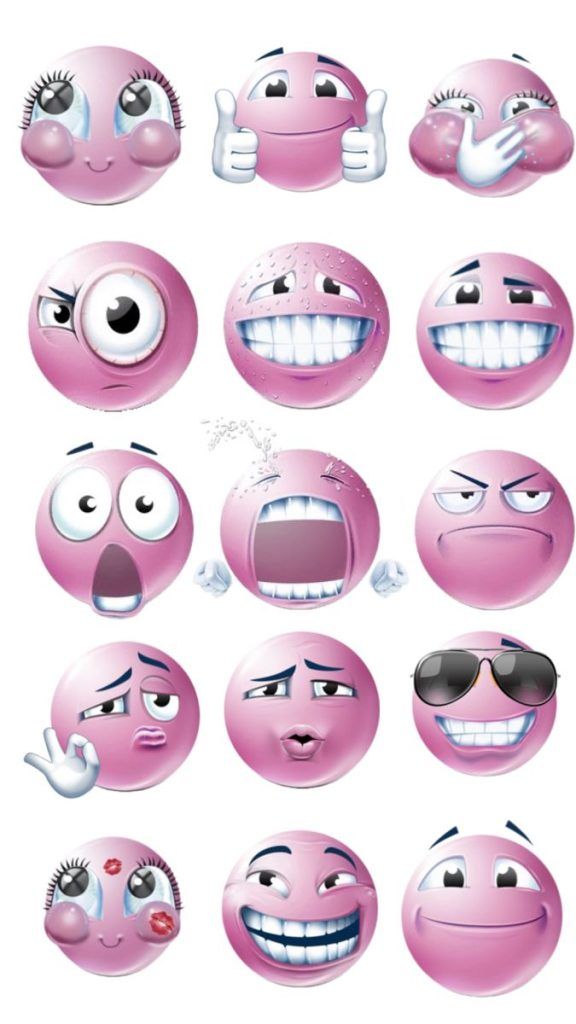
Celebrities and influencers have greatly contributed to the rise of the Pink Emoji Face Meaning. Many well-known social media personalities use this emoji in their captions, stories, and comments to express affection or aesthetic softness. Influencers in beauty, fashion, and lifestyle niches prefer the Pink Emoji Face because it matches pastel themes and soft editing styles.
When celebrities display emotions like gratitude or admiration, they often include this emoji to create a warm tone. Its use in fan interactions has also increased, as stars use it to respond to messages in a friendly and approachable way.
TikTok creators played a key role by incorporating the emoji into emotional edits and viral trends, further boosting its visibility. As public figures continue using the emoji consistently, it reinforces its symbolism and keeps the Pink Emoji Face among top viral emoji trends.
Hidden Cultural Differences in Pink Emoji Face Interpretations
Different cultures interpret the Pink Emoji Face Meaning in unique ways. In Western cultures, the color pink is strongly associated with romance, affection, and emotional vulnerability, making the Pink Emoji Face a symbol of sweetness and emotional openness.
In Asian cultures, especially in Japan and Korea, pink also represents youthfulness, purity, and kawaii aesthetics, which aligns with their appreciation for soft, cute visuals. In Middle Eastern cultures, pink may symbolize gratitude and admiration rather than romantic affection. These cultural interpretations influence how people use the Pink Emoji Face in digital communication.
Despite differences, the emoji remains widely accepted due to its universal representation of warmth. Its ability to adapt across cultures contributes to its viral use and global acceptance. The subtle variations in meaning reveal how deeply cultural values shape emotional expression through simple icons like the Pink Emoji Face.
Why the Pink Emoji Face Has Become a Favorite Reaction Symbol
The Pink Emoji Face has become a favorite reaction emoji because it communicates warmth without being overly dramatic. Users choose it to soften messages, express shy happiness, or show gentle appreciation.
The Pink Emoji Face Meaning makes it ideal for responding to compliments, cute photos, heartfelt texts, or wholesome content. Its soft emotional tone is more comforting than intense emojis like the red heart or crying face. People prefer reaction emojis that feel safe, friendly, and universally positive—qualities that the Pink Emoji Face naturally embodies.
Additionally, its pastel color aligns with popular aesthetics, making it visually appealing in comments and replies. The emoji is also popular for expressing empathy or emotional support. This combination of emotional depth and visual softness explains why the Pink Emoji Face consistently ranks among the most loved viral emoji trends online.
Creative Ways Users Add Meaning to the Pink Emoji Face
Users often customize the Pink Emoji Face Meaning by combining it with other emojis, creating hybrid emotional expressions. For example, pairing it with sparkles adds magical or dreamy vibes, while combining it with hearts amplifies affection. Some users use the Pink Emoji Face to express self-love, positivity, or emotional healing in aesthetic posts.
On TikTok, editors place the emoji in video corners to add emotional softness or highlight sentimental moments. Others use it in digital art, fan edits, wallpapers, or profile bios to show personality.
In messaging apps, the Pink Emoji Face is used to soften serious conversations or express gratitude subtly. Its flexibility allows users to adapt it to various moods and communication styles. These creative interpretations help expand the Pink Emoji Face’s symbolism, contributing to its continuous viral use and cultural relevance across online communities.
Emojis De TikTok: Significados y Códigos Ocultos 2025
How the Pink Emoji Face Is Used in Memes and Internet Slang
The Pink Emoji Face has become a staple in meme culture because of its soft and expressive emotional tone. Many memes use the emoji to exaggerate feelings of shyness, sweetness, embarrassment, or wholesome reactions. This has strengthened the Pink Emoji Face Meaning in internet slang, where users often pair the emoji with phrases like “me?” or “aww okay” to create comedic emotional exaggerations.
Memes featuring the Pink Emoji Face often depict characters reacting softly or overly sweetly to situations, adding humor and relatability. The emoji is also used in reaction memes when responding to cute or mildly emotional content.
In slang, it often signals a flirty, shy, or emotionally delicate tone. Its increasing usage in meme formats helps keep it relevant, ensuring the Pink Emoji Face remains one of the most influential viral emoji trends online.
The Rise of Pink Emoji Face Aesthetics in Digital Communication
The Pink Emoji Face fits perfectly into modern digital aesthetics, especially within “soft” visual trends. The pastel color aligns with popular themes like kawaii, soft girl, angelcore, bubblecore, and romantic aesthetics.
This aesthetic appeal enhances the Pink Emoji Face Meaning, making it more popular in online art, edits, and social media designs. Content creators frequently use the emoji to decorate posts, emphasize emotional moments, or maintain a consistent visual brand identity. Its soft, comforting tone complements calming visuals, pink backgrounds, and gentle lighting styles.
This aesthetic integration has helped the Pink Emoji Face spread across TikTok, Instagram reels, mood boards, and Pinterest. The emoji has become a symbol of emotional softness and pastel culture. Its presence in digital design trends continues to expand, ensuring the Pink Emoji Face remains visually and culturally relevant in modern communication.
Common Misinterpretations of the Pink Emoji Face Meaning
Despite its popularity, the Pink Emoji Face Meaning is sometimes misunderstood. Some people interpret it as romantic interest, while others see it as a symbol of friendship or emotional comfort. Misinterpretations commonly occur when users assume the emoji carries the same meaning across cultures or age groups.
For some, the Pink Emoji Face represents shyness or playful affection, while others may use it simply for aesthetic purposes. The soft pink color is also linked to sweetness and innocence, which may confuse serious conversations. Because the emoji is relatively new, not everyone fully understands its emotional tone.
These misunderstandings highlight the complexity of digital communication. However, its overall symbolism remains positive, making it a safe and gentle emoji to use. Understanding these misinterpretations helps users communicate more clearly and effectively when using the Pink Emoji Face across different platforms.
The Future of the Pink Emoji Face in Emoji Culture
The future of the Pink Emoji Face appears bright as digital communication continues evolving. Emojis are becoming more expressive, culturally relevant, and visually appealing, which strengthens the Pink Emoji Face Meaning as a symbol of softness and emotional depth. Its popularity within Gen Z suggests that it will remain relevant for years to come.
As online aesthetics shift, the Pink Emoji Face will likely inspire new designs, trends, and reactions in digital media. It may even lead to expanded emoji variations featuring different pink shades, styles, or facial expressions.
The increasing use of emojis in branding, marketing, and creative expression will also contribute to its longevity. With its universal emotional appeal, the Pink Emoji Face is expected to remain a key part of digital expression and continue influencing future viral emoji trends across global social platforms.
How Brands and Marketers Use the Pink Emoji Face Trend
Brands and marketers are increasingly using the Pink Emoji Face to connect with younger audiences. The soft color and emotional tone align well with modern advertising strategies focused on relatability, warmth, and authenticity.
Companies use the Pink Emoji Face Meaning in social media posts, product promotions, and influencer collaborations to create friendly communication. It softens brand messaging and makes campaigns feel more human.
In beauty, fashion, and lifestyle industries, the Pink Emoji Face matches aesthetic branding, especially when targeting Gen Z and millennial consumers. Its presence in captions and visuals adds emotional charm, encouraging engagement. Marketers also use the emoji during campaigns promoting self-love, kindness, or positivity. Because the emoji is part of ongoing viral use, brands benefit from higher interaction rates. These strategic uses ensure the Pink Emoji Face remains influential in digital marketing trends.


Fun Facts about Pink Emoji Face
- The Pink Emoji Face is considered part of the “soft aesthetics” trend online.
- Many TikTok creators boosted their viral use through aesthetic edits and memes.
- The color pink symbolizes love, kindness, and emotional warmth, which adds depth to the emoji.
- Celebrities and influencers often use it in captions, enhancing its popularity.
- The Pink Emoji Face is commonly paired with sparkles, hearts, and pastel visuals for extra emotional expression.
Frequently Asked Questions about Pink Emoji Face
What does the Pink Emoji Face mean?
The Pink Emoji Face Meaning represents affection, warmth, emotional softness, shyness, and positive vibes in online communication.
Why is the Pink Emoji Face so popular on social media?
Its aesthetic appeal, pastel color, and ability to express subtle emotions make it widely used, especially among Gen Z and teens.
Can the Pink Emoji Face be used in professional messages?
It’s generally casual but can work in friendly, informal professional settings to convey warmth or appreciation.
On which platforms is the Pink Emoji Face most used?
TikTok, Instagram, Snapchat, Twitter (X), and messaging apps like WhatsApp and Messenger are the most common platforms.
How do brands use the Pink Emoji Face in marketing?
Brands use it to appear relatable, aesthetic, and emotionally engaging, especially when targeting younger audiences.
Conclusion of Pink Emoji Face
The Pink Emoji Face has proven to be more than just a colorful symbol—it is a versatile tool for expressing emotion, warmth, and positivity online. Its hidden symbolism and aesthetic appeal have made it a favorite among teens, Gen Z, and social media users worldwide.
From conveying affection in personal messages to trending in memes, edits, and influencer content, the Pink Emoji Face demonstrates the power of emojis in modern communication. Brands and marketers have also recognized its potential, using it to create friendly and relatable campaigns.
With its universal emotional appeal, cultural adaptability, and growing viral use, the Pink Emoji Face is set to remain a key element of digital expression for years to come.


