



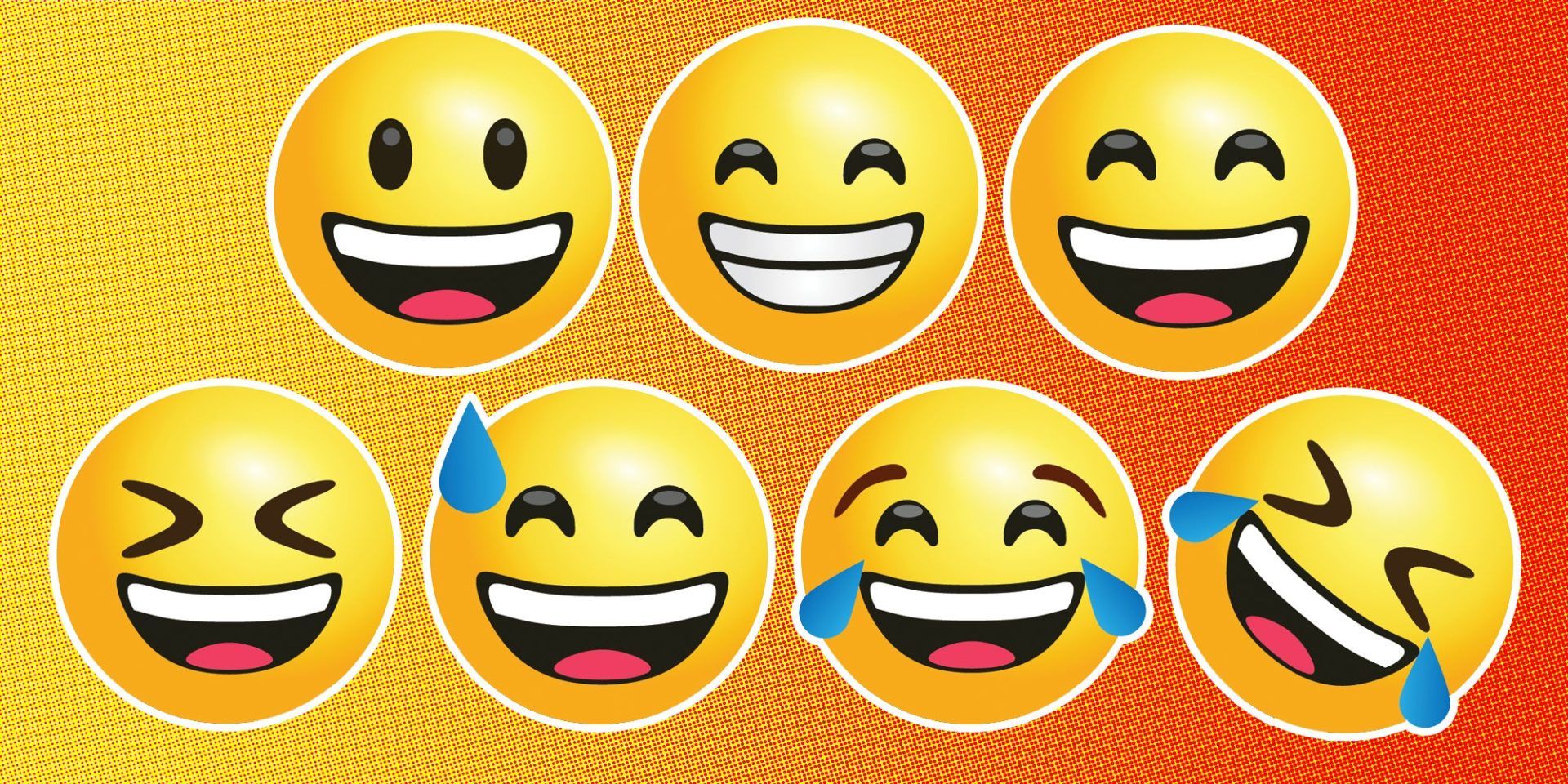
Laughing Emoji TikTok has become one of the most popular symbols on the platform, widely used in comments, captions, and videos to express humor, sarcasm, and playful reactions. This emoji has grown beyond simple laughter, gaining hidden meanings, cultural relevance, and viral significance among Gen Z and Millennial users.
Understanding Laughing Emoji TikTok Meaning, its secret uses, and how influencers popularize it can help creators, marketers, and casual users communicate effectively. From viral moments to trending hashtags, the emoji plays a crucial role in TikTok culture.
The Evolution of the Laughing Emoji TikTok Trend on the App
The rise of Laughing Emoji TikTok has been shaped by rapid shifts in humor, culture, and TikTok’s algorithm. In the early years, creators used the emoji simply to express laughter, but as TikTok grew, the symbol gained deeper emotional and comedic value.
The trend evolved from casual comments to becoming a highlight of TikTok memes, duets, reactions, and stitched videos. Videos went viral as users paired the laughing emoji with funny audio clips, sarcastic storytelling, and exaggerated reactions.
Over time, the popularity of the laughing emoji turned into a cultural marker that represents humor, relatability, and community bonding. This evolution helped push hashtags like Laughing Emoji TikTok Meaning and Laughing Emoji TikTok Guide into mainstream search trends. Today, the emoji signifies not just laughter but comedic exaggeration, playful teasing, and viral commentary, making it one of TikTok’s most iconic symbols.

How Laughing Emoji TikTok Meaning Changed Over Time
The Laughing Emoji TikTok Meaning has gone through several transformations as user behavior shifted. Initially, the emoji reflected genuine laughter, commonly used in comment sections to show amusement. However, as TikTok humor evolved, the meaning expanded into new layers.
Many users now use the emoji to convey sarcasm, mockery, playful teasing, and even ironic reactions. Gen Z reshaped the interpretation further by using the emoji to represent exaggerated humor rather than authentic emotion. This shift also created phrases like Laughing Emoji TikTok: Viral Meaning You Didn’t Know, where creators explain hidden meanings behind the emoji’s usage.
The emoji became a symbol of internet-style comedy, where users communicate layers of emotion through visual symbols. With trends evolving daily, the meaning continues to change, making the emoji a flexible tool for creators, influencers, and commenters across the platform.
Gen Z vs Millennials: Different Interpretations of Laughing Emoji TikTok
Generational differences have shaped how people use Laughing Emoji TikTok. Millennials typically use the laughing emoji in a traditional way—expressing real laughter, joy, and humor. For them, the emoji remains a straightforward, friendly reaction. In contrast, Gen Z has redefined the emoji into something more playful and layered. They often use it to convey irony, light sarcasm, or exaggerated humor.
This difference has led to discussions like Laughing Emoji TikTok Meaning and reactions where both groups debate “correct” usage. Gen Z’s approach is more meme-driven, and their humor resonates with emoji combinations, duets, and stitched videos.
Millennials, however, tend to keep the emoji closer to its original purpose. These generational interpretations have shaped emojis’ cultural value, making the contrast between the age groups a fascinating part of the evolving TikTok language.
Laughing Emoji TikTok Guide: Decoding Modern Emoji Culture
This Laughing Emoji TikTok Guide helps explain how emojis function as a modern communication tool on TikTok. The laughing emoji has become a universal symbol for humor, sarcasm, and storytelling. Creators use it not only in comments but also in captions, overlays, and reaction videos to enhance comedic impact.
The emoji can indicate excitement, embarrassment, or a humorous twist in content. This guide highlights why phrases like Laughing Emoji TikTok Meaning and Laughing Emoji TikTok: Secret Uses & True Meaning are frequently searched. Understanding emoji culture is essential because TikTok relies heavily on visual communication.
Emojis allow creators to express tone and personality in seconds, making content more relatable. The laughing emoji, especially, plays a powerful role in shaping mood, enhancing engagement, and helping videos go viral.
Viral Moments That Made the Laughing Emoji TikTok Trend Explode
Several viral moments caused Laughing Emoji TikTok to explode across the platform. The emoji became widely used in viral skits, reaction challenges, relatable storytelling clips, and lip-sync comedy videos. Creators used the emoji to highlight punchlines, add humor, and grab attention.
One major boost came when influencers posted funny fails, pranks, and awkward moments using the emoji as the primary comedic symbol. These clips often circulated through hashtags connected to Laughing Emoji TikTok Meaning and Laughing Emoji TikTok Guide, leading to massive visibility.
Reaction videos, where users responded dramatically with the laughing emoji on screen, also pushed the trend further. As the emoji became part of meme culture, it spread fast among both casual users and content creators. These viral moments solidified its status as a key element of TikTok humor.
Hidden Messages Behind Laughing Emoji TikTok: Viral Meaning You Didn’t Know
There are several lesser-known interpretations behind the emoji, often linked to Laughing Emoji TikTok: Viral Meaning You Didn’t Know. Many users don’t realize the emoji can represent more than just laughter. For some, it symbolizes embarrassment masked by humor, while for others, it expresses disbelief or playful mockery. When Gen Z uses the emoji repeatedly, it may signal a sarcastic tone, making the message intentionally exaggerated.
TikTok creators often use the emoji in a way that hides emotional undertones, making viewers decode the real meaning. These hidden messages have contributed to the emoji’s popularity, as viewers enjoy discovering the layers behind it.
The emoji’s versatility allows it to fit into comedy, drama, roasting, and storytelling, adding depth and personality to every post. This complexity keeps the emoji relevant and widely discussed.
Why Creators Prefer the Cry-Laughing Emoji on TikTok
Creators often choose the cry-laughing emoji because it delivers instant comedic energy. On Laughing Emoji TikTok, this emoji amplifies reactions and makes content feel more expressive. Many creators say it helps portray exaggerated laughter, making jokes and skits feel more relatable. The cry-laugh emoji also works well with reaction videos, duets, and stitched clips where the creator wants to show extreme amusement.
In addition, its popularity is influenced by trends associated with Laughing Emoji TikTok Meaning and Laughing Emoji TikTok Guide, where influencers explain why some emojis go viral. The emoji’s emotional intensity makes comments funnier and captions more engaging.
Creators enjoy the emoji because it’s versatile, recognizable, and instantly understood by millions of users. This is why the cry-laughing emoji remains one of TikTok’s most used icons.
Top Influencers Who Popularized the Laughing Emoji TikTok Trend
Several influencers played a key role in popularizing Laughing Emoji TikTok, thanks to their viral content and massive following. Comedy creators, reaction specialists, meme pages, and storytelling influencers frequently used the emoji in captions, comments, and video overlays.
Their creative use helped shape related searches like Laughing Emoji TikTok Meaning and Laughing Emoji TikTok: Viral Meaning You Didn’t Know. When popular TikTokers repeatedly used the emoji in pranks, funny reactions, and exaggerated skits, their audiences quickly adopted the trend.
Influencers with millions of followers helped turn the emoji into a recognizable cultural marker. Their consistent use in videos increased exposure and helped the emoji become a regular part of TikTok humor. As a result, the laughing emoji has become universally associated with funny content on the platform.

Situations Where Laughing Emoji TikTok Is Used Incorrectly
While Laughing Emoji TikTok is widely used, many users apply it in situations where it may seem inappropriate or confusing. For example, using the emoji during a serious conversation can make your comments appear insensitive.
Some creators mistakenly add the emoji to posts discussing emotional issues, creating a mismatch in tone. These misapplications often spark debates under hashtags like Laughing Emoji TikTok Meaning because viewers question the intent. Another common mistake is using the emoji to mask embarrassment, which can confuse audiences. Misusing the emoji in captions or reactions can weaken the comedic effect or even change the message entirely.
Understanding the right context helps avoid awkward misunderstandings. This section highlights how using the emoji thoughtfully improves engagement and ensures your message matches the humor you intend to convey.
Shortbioideas com: Best Short Bio Ideas for 2025
Laughing Emoji TikTok: Secret Uses & True Meaning
Many users search for Laughing Emoji TikTok: Secret Uses & True Meaning because the emoji carries deeper meanings beyond simple laughter. In many cases, it represents irony, playful teasing, emotional masking, or exaggerated reactions used for comedic effect. TikTok creators often use the emoji to dramatize stories, highlight funny moments, or express disbelief.
These hidden layers give the emoji a unique identity on the platform. On Laughing Emoji TikTok, the emoji may even signal inside jokes or a tone that only specific audiences understand. Creators also use the emoji to soften critique, making comments feel friendly rather than harsh.
Understanding these secret uses helps viewers interpret content more accurately and improves communication across TikTok. This multi-layered meaning is why the emoji remains highly popular and frequently used.
Emotional Tone: When to Use and When to Avoid Laughing Emoji TikTok
Using Laughing Emoji TikTok effectively requires awareness of emotional tone. The emoji works best in lighthearted, humorous, or playful conversations. It suits funny videos, relatable content, and comedic reactions. However, using it in serious, sensitive, or emotional contexts may come across as disrespectful or tone-deaf.
Many discussions in the Laughing Emoji TikTok Guide warn users about unintentional sarcasm when the emoji is overused. When creators add the emoji to captions involving criticism or roasting, it can soften the tone, making jokes less harsh.
But using it during tragic or personal moments sends the wrong message. Understanding when to use or avoid the emoji helps maintain authenticity and audience connection. Proper placement enhances humor and ensures your message is interpreted correctly.
TikTok Comment Hacks Using the Laughing Emoji TikTok
TikTok users have developed creative hacks involving Laughing Emoji TikTok to boost engagement and visibility. One popular hack is using multiple laughing emojis to highlight humor and increase comment reactions.
This often draws attention to the top of the comment section. Influencers also use laughing emojis to spark conversation under posts, increasing algorithm reach. Some creators add phrases like Laughing Emoji TikTok Meaning to start discussions about emoji culture.
Another hack includes placing the emoji before and after funny statements to amplify comedic tone. Users also create inside jokes with repeated use of the emoji to make comments stand out. These strategies help increase likes, replies, and visibility on TikTok posts.
The Psychology Behind Why Users Love the Laughing Emoji TikTok
The popularity of Laughing Emoji TikTok is strongly tied to psychology. The emoji creates a sense of shared humor, making people feel connected through relatable content. It triggers emotional bonding, helping users feel included in trends and digital conversations. Studies show that visual symbols like emojis activate the brain’s reward system, making interactions more enjoyable.
Searches for terms like Laughing Emoji TikTok Meaning reflect how deeply users relate to this emoji emotionally. On TikTok, the emoji also reduces confusion by clarifying tone, which is crucial in fast-paced digital communication.
Its expressive nature adds personality to comments and captions, making users more comfortable engaging with content. This emotional connection explains why the laughing emoji continues to dominate TikTok culture.
Comparing the Laughing Emoji with Other Viral Emojis on TikTok
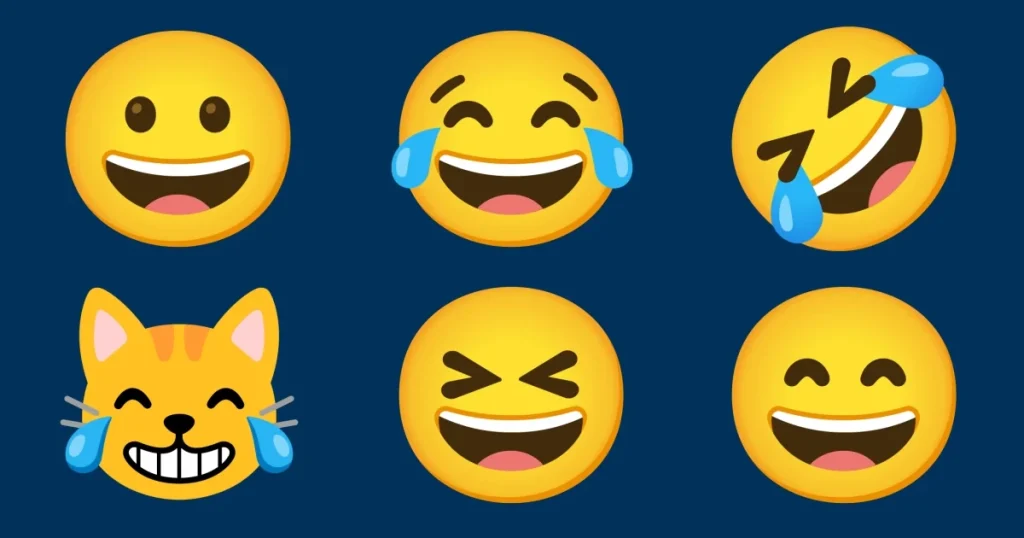
On Laughing Emoji TikTok, users often compare the laughing emoji with other trending emojis. While the laughing emoji represents humor and exaggeration, emojis like the skull emoji () symbolize “dead from laughter,” often used by Gen Z. Meanwhile, the crying emoji () sometimes expresses intense laughter, giving it dual meaning.
Searches like Laughing Emoji TikTok Guide show that users want clarity on when to use each symbol. Compared to other emojis, the laughing emoji is more universal and widely understood. It works across comedy, storytelling, and casual commenting.
Its versatility has kept it relevant despite the rise of newer emojis. This comparison highlights how each emoji carries unique energy, but the laughing emoji remains one of the most recognizable.
How Brands Use the Laughing Emoji TikTok Trend for Marketing
Brands use Laughing Emoji TikTok to create relatable, humorous, and high-engagement marketing campaigns. By incorporating the emoji into captions, reactions, and memes, companies appear more modern and approachable. Many brands use the emoji to soften promotional messages, blending humor with advertising.
Trends linked to Laughing Emoji TikTok Meaning help brands understand audience expectations, ensuring their content feels authentic. The emoji is especially effective in short-form ads, where visual symbols quickly capture attention.
Brands also collaborate with influencers who specialize in comedy to amplify their message using the laughing emoji. This creates viral-ready content that resonates with younger audiences. Using the emoji strategically boosts reach, engagement, and brand personality.
Biggest Misunderstandings About Laughing Emoji TikTok
Many misunderstandings surround Laughing Emoji TikTok, especially regarding tone and emotional meaning. Some users believe the emoji always reflects genuine laughter, which isn’t true for Gen Z. Others assume the emoji is outdated or overused, but it still dominates comments and captions.
Confusion also arises from phrases like Laughing Emoji TikTok Meaning, where people debate sarcasm vs. sincerity. Some creators misuse the emoji, thinking it will automatically make content funnier, but context is important.
Misinterpretations often lead to online disagreements, especially when the emoji is used in serious conversations. Understanding these common misconceptions helps users apply the emoji correctly and avoid confusion. When used properly, the laughing emoji enhances communication rather than complicates it.
Style, Tone & Humor: Mastering Laughing Emoji TikTok in Captions
Mastering caption style requires understanding how Laughing Emoji TikTok affects tone. The emoji adds humor, exaggeration, and emotional clarity, making captions more engaging. When used at the end of a sentence, it signals a playful or comedic tone. When placed at the beginning, it creates a dramatic, humorous setup.
Many creators refer to Laughing Emoji TikTok Guide tips to improve caption quality. The emoji should enhance the joke, not replace it. Combining it with witty lines, relatable content, or storytelling strengthens engagement.
Using too many laughing emojis can make captions look forced, while the right balance increases readability and comedic effect. Proper caption style helps creators stand out in TikTok’s fast-paced content culture.
Newsgama com: Latest Trending News & Daily Updates
Mistakes to Avoid When Using the Laughing Emoji TikTok Trend
Even though Laughing Emoji TikTok is widely popular, users often make mistakes when adding it to content. Overusing the emoji can make captions feel repetitive or low-effort. Using the emoji in sensitive or serious situations may appear disrespectful.
Some creators rely on the emojis instead of adding genuine humor, weakening the content’s impact. Misunderstanding trends linked to Laughing Emoji TikTik Meaning can also lead to awkward communication.
Another mistake is placing the emoji randomly, which disrupts tone and readability. It’s essential to use the emoji with intention, ensuring it enhances message clarity. Avoiding these errors helps creators maintain authenticity, improve engagement, and achieve better audience reactions.

Fun Facts about Laughing Emoji TikTok
- The emoji is one of the most used symbols in TikTok comments.
- Gen Z often uses it sarcastically, not just for genuine laughter.
- It became a key part of meme culture on the platform.
- Influencers use it strategically to boost engagement and reach.
- Its multiple layers of meaning make it relatable and versatile.
Frequently Asked Questions about Laughing Emoji TikTok
What does the Laughing Emoji TikTok mean?
It represents humor, sarcasm, or playful exaggeration depending on context.
How is Laughing Emoji TikTok used in viral videos?
Creators use it in captions, overlays, and reactions to amplify comedic effect.
Can the emoji be misinterpreted?
Yes, using it in serious or sensitive posts can appear inappropriate.
Who popularized Laughing Emoji TikTok?
Influencers and comedy creators on TikTok helped make it viral.
Are there hidden meanings in the emoji?
Yes, it can convey irony, playful teasing, or emotional masking.
Conclusion of Laughing Emoji TikTok
Laughing Emoji TikTok is far more than a simple symbol of laughter. Its evolution, hidden messages, and versatile uses have made it a cultural icon on the platform. From expressing genuine amusement to conveying sarcasm, irony, or playful exaggeration, the emoji has become essential for creators, influencers, and casual users alike.
Understanding the Laughing Emoji TikTok Meaning, secret uses, and proper context ensures better engagement, avoids misunderstandings, and adds personality to content.
Whether in captions, comments, or viral videos, mastering the emoji strengthens communication and keeps content relatable. As trends evolve, the Laughing Emoji TikTok will continue to shape humor and digital expression on the platform.


