



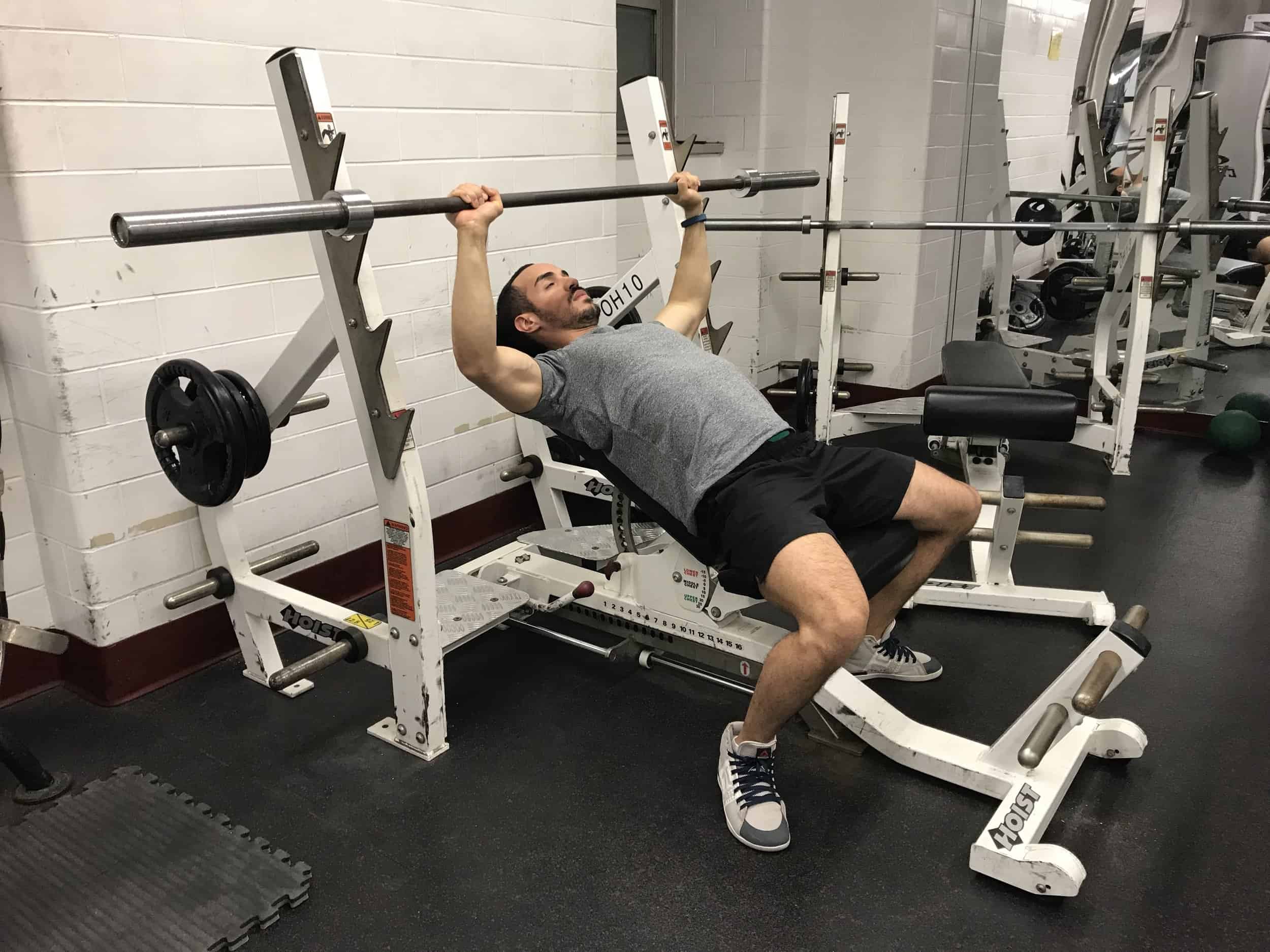
The Incline Bench Press is one of the best exercises for building upper chest strength and muscle definition. Unlike the flat bench press, this variation targets the upper pectoral muscles, front deltoids, and triceps, making it essential for a well-rounded chest workout. By adjusting the bench angle to an incline position (typically 30-45 degrees), lifters can increase upper chest engagement while reducing stress on the shoulders. Whether using a barbell, dumbbell, or a Smith machine, this exercise plays a crucial role in developing a strong, aesthetic upper body.
What is the Incline Bench Press
The Incline Bench Press is a compound upper-body exercise designed to target the upper chest, shoulders, and triceps. Unlike a flat bench press, this variation is performed on a bench set at an incline angle (typically between 30 to 45 degrees). This shift in angle places greater emphasis on the upper pectoral muscles, making it an essential exercise for a well-rounded chest.

Incline Bench Press vs Flat Bench Press
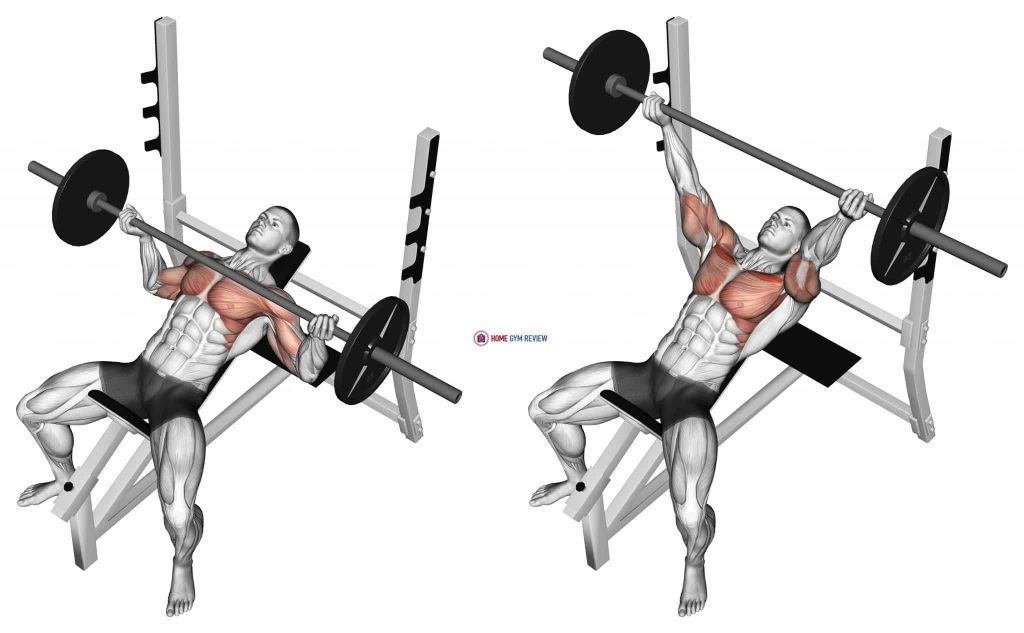
The key difference between the Incline Bench Press and vs Flat bench press is muscle activation. While the flat bench press primarily targets the middle and lower chest, the Incline Bench Press focuses on the upper chest (clavicular head of the pectoralis major). This makes it ideal for developing a fuller, more sculpted chest. Additionally, the incline variation engages the anterior deltoids more than the flat bench, making it a great movement for shoulder development as well.
Muscles Worked in the Incline Bench Press
Understanding the Incline Bench Press Muscles Worked is essential for maximizing gains. This exercise primarily targets the upper chest but also engages secondary muscles to provide full upper-body development.
Primary Muscles Worked
- Pectoralis Major (Upper Chest): The incline angle emphasizes the clavicular head of the chest.
- Anterior Deltoid (Front Shoulder): This muscle assists in pressing the weight upward.
- Triceps Brachii: Plays a role in elbow extension, aiding in the final phase of the lift.
Secondary Muscles Engaged
- Serratus Anterior: Supports shoulder stability during pressing movements.
- Upper Traps & Rotator Cuff: Help in shoulder stability and control.
- Core & Lower Back: Engaged in maintaining a strong, stable posture on the bench.
Performing the Incline Bench Press with proper form ensures maximum chest engagement while preventing excessive strain on the shoulders and lower back.
Best Angle for the Incline Bench Press
Finding the ideal Incline Bench Press Angle is crucial for optimizing muscle activation. The most effective angle for targeting the upper chest is between 30-45 degrees.
How Angle Variations Affect Muscle Activation
- 15-20 Degrees: Slight incline, still engages the mid-chest, but reduces shoulder activation.
- 30 Degrees (Optimal): Maximizes upper chest activation while minimizing shoulder stress.
- 45 Degrees: Increases shoulder involvement but reduces chest activation.
- 60 Degrees or Higher: Primarily works front deltoids, shifting focus away from the chest.
Setting the bench too high (above 45 degrees) turns the Incline Bench Press into more of a shoulder press, reducing upper chest engagement. To get the best results, keep the angle between 30-45 degrees and maintain proper form.
Thejavasea.me Leaks AIO-TLP – What You Need to Know
Proper Form for the Incline Bench Press
Executing the Incline Bench Press Form correctly is essential for muscle activation and injury prevention.
Step-by-Step Guide
- Adjust the bench to a 30-45 degree incline.
- Lie back with your feet flat on the ground for stability.
- Grip the bar or dumbbells slightly wider than shoulder-width (Incline Bench Press Grip).
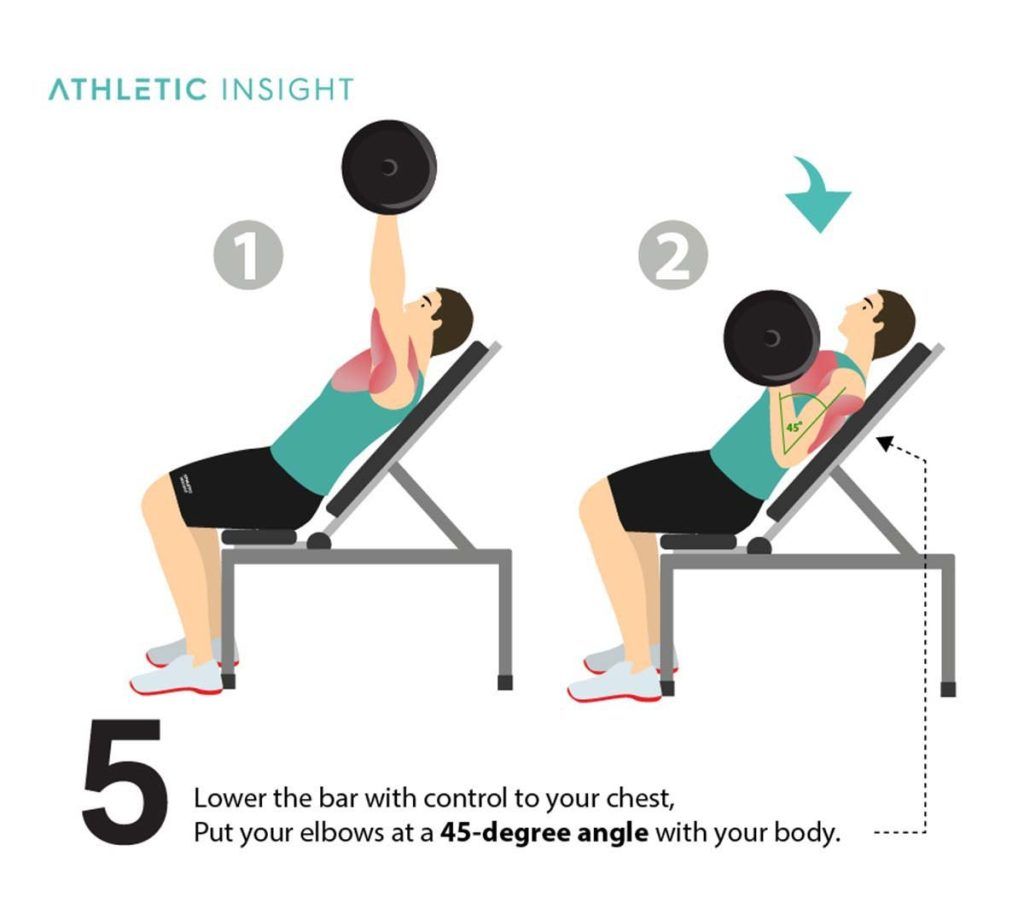
- Lower the weight slowly to the upper chest, keeping elbows at a 45-degree angle.
- Press the weight back up in a controlled motion, avoiding elbow lockout.
Common Mistakes & Fixes
- Too High of an Incline: Shifts focus to shoulders; keep it at 30-45 degrees.
- Flared Elbows: Causes shoulder strain; keep elbows at 45 degrees.
- Partial Reps: Ensure full range of motion for maximum growth.
Proper Incline Bench Press Form will ensure optimal muscle growth and prevent injuries.

Barbell vs Dumbbell Incline Bench Press
When performing the Incline Bench Press, you can use either a barbell or dumbbell. Both variations offer unique benefits for strength and muscle development.
Incline Bench Press Dumbbell vs Barbell
- Dumbbells:
- Allow for a greater range of motion.
- Help correct muscle imbalances.
- Reduce shoulder strain due to natural wrist movement.
- Barbell:
- Enables heavier lifts for strength gains.
- Provides better stability and control.
- Best for progressive overload.
For overall chest development, incorporating both variations into your routine is ideal.
Choosing the Right Equipment: Machine vs. Free Weights
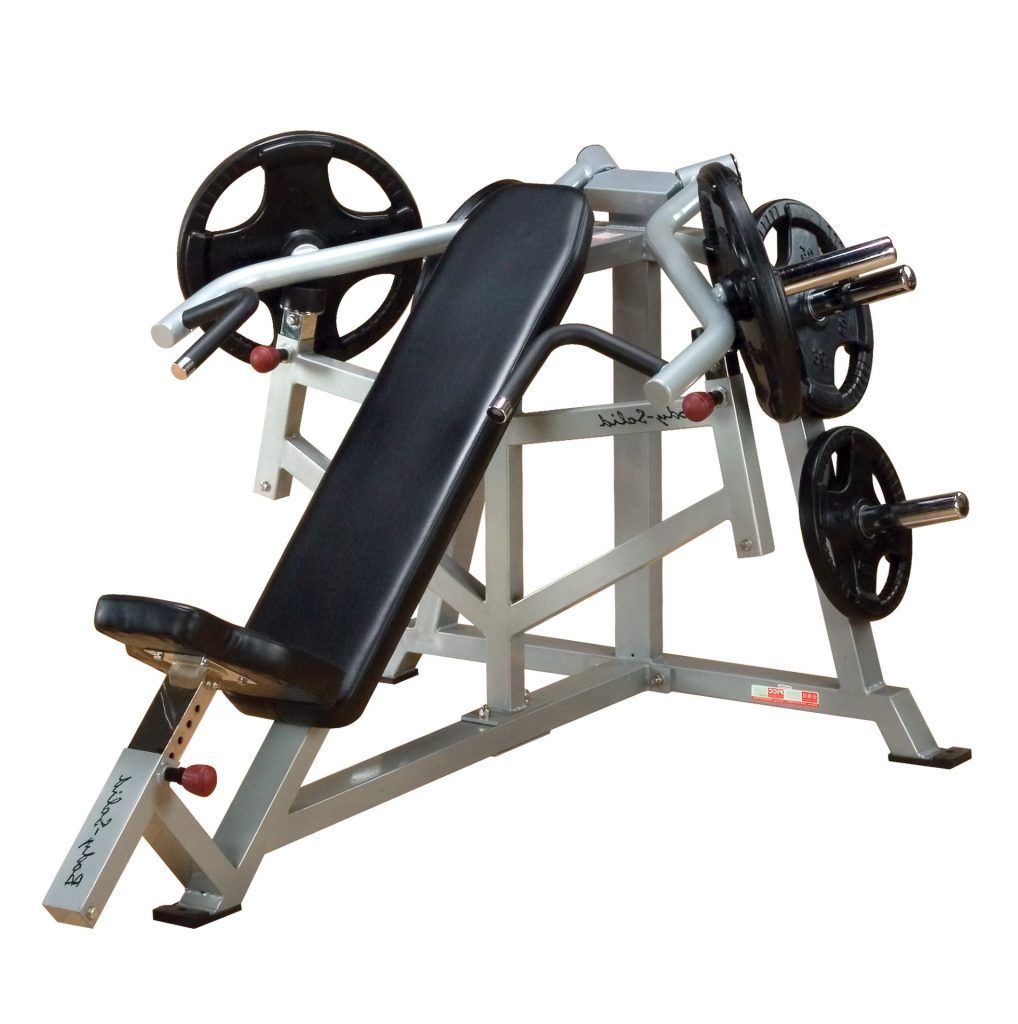
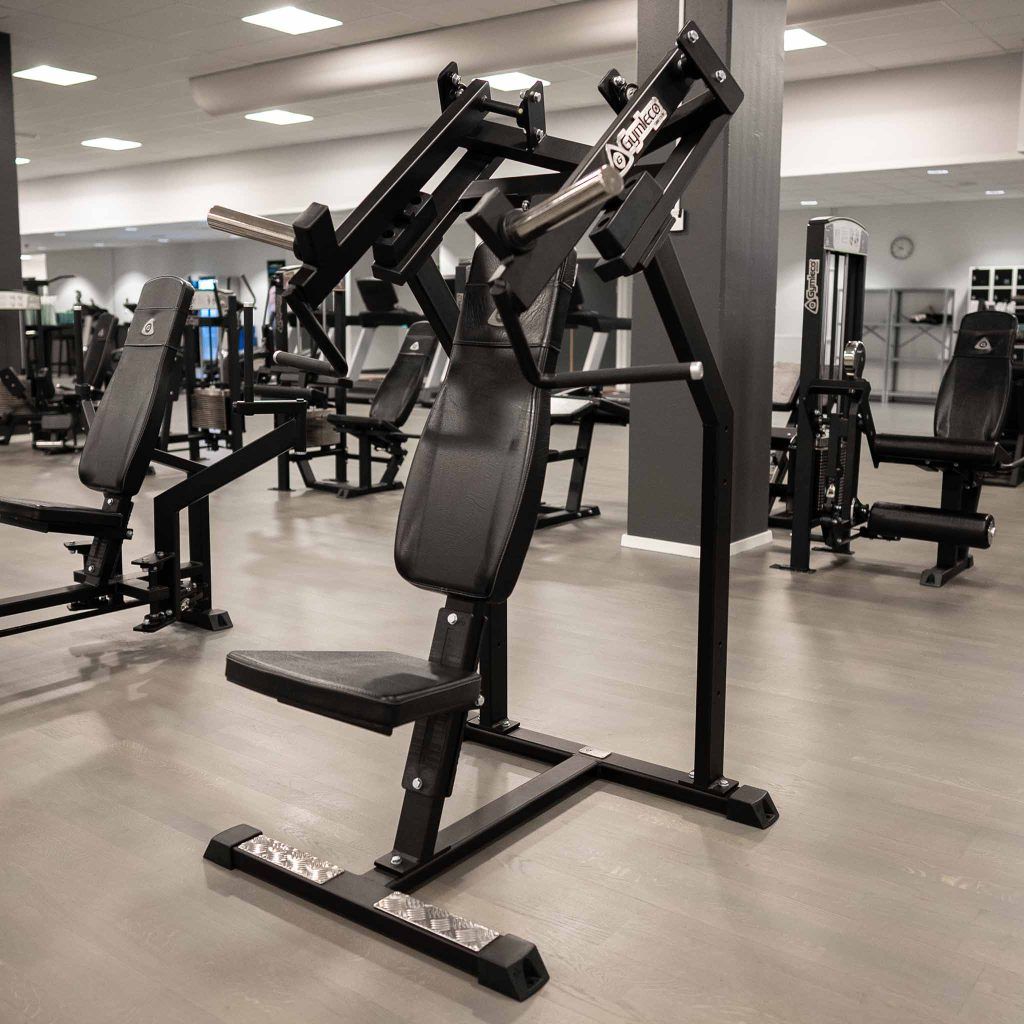
The choice between the Incline Bench Press Machine and free weights depends on your training goals.
Benefits of the Incline Bench Press Machine
- Provides stability, making it ideal for beginners.
- Reduces the risk of imbalanced lifting.
- Allows for safer heavy lifting without a spotter.
When to Use the Incline Bench Press Smith Machine
- When focusing on isolation and controlled movement.
- If you have shoulder instability and need extra support.
- For high-volume training with minimal injury risk.
For maximum strength and hypertrophy, combining machines and free weights in your training plan is beneficial.

How Grip Affects Your Incline Bench Press
Your Incline Bench Press Grip directly impacts muscle activation and strength gains.
Grip Width Variations
- Wide Grip: Targets the chest more, but increases shoulder stress.
- Medium Grip (Optimal): Balances chest activation with joint safety.
- Close Grip: Shifts emphasis to the triceps.
Using a medium grip is the best approach for muscle growth and joint safety.
Common Mistakes and How to Fix Them
Even experienced lifters make Incline Bench Press Form mistakes. Here’s how to correct them:
Top Mistakes & Fixes
- Incorrect Bench Angle: Keep it 30-45 degrees.
- Elbows Flaring Out: Keep elbows at 45 degrees to reduce injury risk.
- Bouncing the Bar: Always control the descent for better chest activation.
Visual Learning: Incline Bench Press GIFs & Videos
Watching an Incline Bench Press GIF or tutorial can help improve your technique.
Best Video Resources
- YouTube tutorials by certified trainers.
- Slow-motion Incline Bench Press GIFs for form analysis.
- Fitness apps with interactive guides.
Norval Sinclair Marley: The Untold Story of Bob Marley’s Father

Frequently Asked Questions about Incline Bench Press
What Does Incline Bench Press Do?
The Incline Bench Press is a compound exercise that primarily targets the upper chest (clavicular head of the pectoralis major), along with the front deltoids (shoulders) and triceps. Unlike the Flat Bench Press, which distributes tension across the entire chest, the incline variation emphasizes upper chest development, helping create a fuller and more defined chest. Additionally, this exercise improves shoulder strength, enhances pressing power, and promotes better posture. It is an essential movement for athletes and bodybuilders aiming to increase strength, muscle mass, and aesthetic chest definition.
Is the Incline Bench 30 or 45 Degrees?
The recommended Incline Bench Press Angle is 30 to 45 degrees, but 30 degrees is generally considered the most effective for upper chest activation.
- 30 Degrees: Maximizes upper pec engagement while reducing shoulder strain.
- 45 Degrees: Involves more shoulder activation and may shift focus away from the chest.
- For muscle growth, a 30-degree incline is ideal, while 45 degrees can be beneficial if you want to incorporate more shoulder engagement into the movement.
Which Is Better, an Incline or a Flat Bench?
Both Incline Bench Press and Flat Bench Press have their benefits, and the choice depends on your fitness goals:
- Incline Bench Press: Focuses on the upper chest, improving upper pec size and shoulder stability. Ideal for balanced chest development.
- Flat Bench Press: Engages the entire chest, allowing for heavier lifting and overall strength improvement.
For optimal chest growth, it’s best to combine both exercises in your routine. The Incline Bench Press Exercise ensures upper chest fullness, while the Flat Bench Press provides overall mass and power.
Is an Incline Bench Worth It?
Yes! The Incline Bench Press is worth it for anyone looking to build a well-developed chest and stronger shoulders. It helps:
✔ Isolate the upper chest, ensuring balanced muscle growth.
✔ Improve pressing strength, benefiting other lifts like the Overhead Press.
✔ Reduce shoulder injuries, as the incline angle is safer for many lifters.
✔ Enhance overall aesthetics, creating a fuller, well-shaped upper chest.
Conclusion of Incline Bench Press
The Incline Bench Press is one of the most effective chest-building exercises that specifically target the upper pectoral muscles, front delts, and triceps. By setting the Incline Bench Press Angle between 30-45 degrees, you can maximize muscle activation while ensuring shoulder safety. Whether using a barbell, dumbbell, or a Smith machine, this exercise plays a key role in developing a stronger, more defined upper chest.
By maintaining proper Incline Bench Press Form, using the right grip, and avoiding common mistakes, you can increase strength, build muscle mass, and enhance overall performance. Whether you’re a beginner or an advanced lifter, incorporating this movement into your routine is essential for upper body development. Start adding the Incline Bench Press to your workouts today and experience the benefits firsthand!


