



Huff Emoji is one of the most expressive symbols used in digital communication today. From texting friends to social media posts, the Huff Emoji Meaning helps convey frustration, annoyance, or playful irritation without needing words.
Its popularity has grown across platforms like TikTok, Instagram, and WhatsApp, making it a go-to emoji for many users. Whether you’re reacting to a delayed response, a minor inconvenience, or a humorous situation, the Huff Emoji adds emotional clarity to your messages.
Understanding how and when to use it can enhance your online conversations and make your expressions more relatable and engaging.
Huff Emoji Meaning in Simple Words
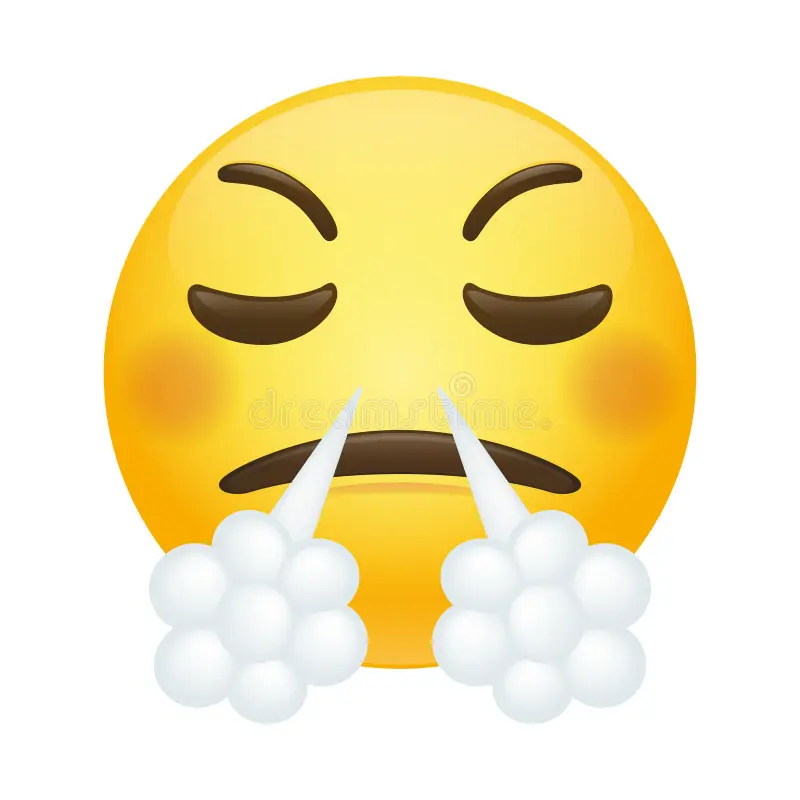
The Huff Emoji is commonly used to show frustration, annoyance, or mild anger in a very simple and expressive way. The Huff Emoji Meaning is easy to understand even for first-time users because it visually represents someone exhaling forcefully after getting upset.
In simple words, it means “I’m annoyed,” “I’m fed up,” or “This is stressing me out.” People use the Huff Emoji when something doesn’t go their way, when they feel impatient, or when they want to express irritation without sounding too aggressive.
Unlike harsh, angry words, this emoji softens the message and keeps the tone relatable. That’s why the Huff Emoji Meaning works well in casual chats, social media comments, and playful arguments. It clearly communicates emotion without needing long explanations.

What Does the Huff Emoji Mean Emotionally
What the Huff Emoji means on an emotional level goes beyond simple anger. Emotionally, the Huff Emoji represents bottled-up frustration, emotional exhaustion, or feeling overwhelmed. It’s often used when someone is annoyed but still trying to stay calm.
Instead of exploding with anger, people choose the Huff Emoji to show controlled irritation. Psychologically, it signals emotional release—like taking a deep breath after something irritating happens. This is why the Huff Emoji Meaning feels relatable to many users online.
It reflects real-life reactions such as sighing, rolling eyes, or muttering under your breath. In emotional conversations, the Huff Emoji helps express feelings without escalating conflict. That balance between emotion and restraint makes it one of the most widely used expressive emojis today.
Huff Emoji Explained for Everyday Chats
In daily conversations, Huff Emoji Explained simply means adding emotional context to your message. When words alone feel flat, the Huff Emoji adds tone instantly. For example, sending “Still waiting ” clearly shows impatience without sounding rude.
In everyday chats, the Huff Emoji Meaning can range from playful annoyance to genuine frustration, depending on the situation. It’s widely used in texting apps like WhatsApp, Messenger, and SMS to avoid misunderstandings.
The Huff Emoji helps readers understand how the sender feels, making communication more human. Instead of typing long emotional explanations, people rely on this emoji to do the emotional work for them. That’s why Huff Emoji Explained guides often recommend using it sparingly but intentionally for maximum clarity.
Hidden Emotions Behind the Huff Emoji
The Huff Emoji often carries hidden emotions that go unnoticed. While the visible Huff Emoji Meaning shows frustration, deeper feelings like disappointment, stress, sarcasm, or emotional fatigue may be involved. Many users choose the Huff Emoji when they don’t want to openly express anger but still want their feelings to be understood.
It can also signal passive resistance or emotional boundaries. In some cases, the Huff Emoji reflects humor mixed with irritation, especially among friends. These hidden emotions make the emoji versatile and emotionally layered.
Understanding these subtleties helps decode messages more accurately. The real power of the Huff Emoji lies in its ability to express complex feelings with a single symbol, making digital communication more emotionally intelligent.
Huff Emoji vs Angry Emoji
Comparing the Huff Emoji with the angry emoji highlights an important emotional difference. The Huff Emoji Meaning usually reflects mild frustration or controlled irritation, while shows direct anger or aggression. People choose the Huff Emoji when they want to express annoyance without starting a conflict.
It feels softer, more relatable, and often playful. On the other hand, the angry emoji sends a stronger emotional signal and can escalate conversations quickly. That’s why users often prefer the Huff Emoji in casual chats, comments, or humorous complaints.
Understanding this difference helps avoid misunderstandings. Choosing between these emojis depends on how intense the emotion is. The Huff Emoji works best when frustration exists, but emotions are still under control.
When to Use the Huff Emoji in Conversations
Knowing when to use the Huff Emoji makes communication smoother. It works best in casual conversations, friendly arguments, or light complaints. For example, delays, misunderstandings, or minor annoyances are perfect situations for the Huff Emoji Meaning.
It adds emotional clarity without sounding harsh. Friends often use the Huff Emoji to tease or express playful frustration. It’s also effective in online comments where tone is easily misread. Using the Huff Emoji helps readers instantly understand your mood.
However, it should match the relationship and context. When used correctly, the Huff Emoji strengthens emotional expression and keeps conversations relatable and engaging.
When Not to Use the Huff Emoji
Despite its popularity, there are times when the Huff Emoji should be avoided. In serious discussions, professional communication, or sensitive emotional situations, the Huff Emoji Meaning may appear immature or dismissive.
Using it in formal emails or workplace chats can reduce credibility. It can also be misunderstood by people unfamiliar with emoji culture. In emotional arguments, the Huff Emoji may seem sarcastic or passive-aggressive. Cultural differences can also affect interpretation.
That’s why it’s important to read the room before using it. Knowing when not to use the Huff Emoji helps prevent confusion and keeps communication respectful.
Huff Emoji Meaning on TikTok Trends
The Huff Emoji Meaning on TikTok has evolved into a trend-driven expression. Creators use the Huff Emoji on TikTok to show exaggerated frustration, dramatic reactions, or humorous complaints. It often appears in captions, comments, and meme-style videos.
On TikTok, the Huff Emoji is rarely serious—it’s usually playful, sarcastic, or ironic. This platform has amplified its popularity by pairing it with trending sounds and relatable content. The emoji helps videos feel more expressive without extra words.
Understanding how the Huff Emoji on TikTok is used helps viewers decode tone and intent quickly. Its viral nature keeps it relevant and highly searchable.

Huff Emoji on WhatsApp and Private Chats
In private chats, the Huff Emoji takes on a more personal tone. On WhatsApp, it often expresses real frustration, impatience, or emotional exhaustion. The Huff Emoji Meaning here depends heavily on context and relationship.
Among close friends or family, it can feel humorous or comforting. In romantic chats, it may signal mild annoyance or a need for attention. Because WhatsApp conversations are private, the Huff Emoji feels more emotionally honest than on public platforms.
Users rely on it to communicate feelings quickly and clearly. This makes the Huff Emoji a powerful emotional shortcut in everyday messaging.
Tiktok Copy and Paste: Best Easy Guide for 2025
Huff Emoji in Instagram Captions
On Instagram, the Huff Emoji Meaning is often tied to attitude, humor, or aesthetic expression. Creators use the Huff Emoji in captions to show sass, frustration, or playful drama. It pairs well with selfies, memes, and relatable posts. Influencers often use it to exaggerate emotions for engagement.
The Huff Emoji adds personality and emotion to captions without overpowering visuals. It helps followers instantly connect with the mood of the post. Because Instagram values expression, the Huff Emoji fits perfectly into modern caption culture and boosts relatability.
Playful vs Serious Use of the Huff Emoji
The Huff Emoji can be playful or serious depending on context. In playful use, it adds humor, sarcasm, or teasing energy. Friends often use it jokingly to exaggerate small annoyances. In serious use, the Huff Emoji Meaning shifts toward genuine frustration or emotional stress.
Tone, message content, and relationship determine interpretation. Adding extra emojis or text can soften or intensify the meaning. Understanding this difference helps avoid confusion. The versatility of the Huff Emoji is what makes it so powerful across platforms and conversations.
Cultural Interpretation of the Huff Emoji
Cultural background influences how the Huff Emoji is perceived. In some cultures, it’s seen as humorous or expressive, while others may view it as disrespectful or immature. The Huff Emoji Meaning may change based on communication norms.
Emoji-heavy cultures interpret it emotionally, while text-focused cultures may misread it. This makes cultural awareness important when using emojis globally. Understanding these differences ensures clearer communication. The Huff Emoji proves that even simple symbols can carry complex cultural meanings.
Gender Differences in Using the Huff Emoji
Gender can influence how the Huff Emoji is used online. Studies and trends suggest women often use the Huff Emoji to express emotional nuance or playful frustration.
Men may use it more sparingly or humorously. The Huff Emoji Meaning remains the same, but frequency and context vary. Social expectations around emotional expression shape emoji usage. Understanding these patterns helps interpret messages accurately. The Huff Emoji reflects how digital communication mirrors real-world emotional behaviors.
Huff Emoji in Memes and Viral Content
The Huff Emoji thrives in meme culture because it visually exaggerates emotion. Memes use the Huff Emoji Meaning to highlight relatable frustrations like work stress or daily annoyances. Its expressive design makes it instantly recognizable.
Viral content often relies on emotional exaggeration, and the Huff Emoji fits perfectly. It adds humor without explanation. That’s why meme creators love it. The emoji’s simplicity and emotional clarity make it highly shareable across platforms.
Misinterpretations of the Huff Emoji
Misunderstanding the Huff Emoji Meaning is common. Some people interpret it as extreme anger, while others see it as sarcasm. Context matters greatly. Without proper understanding, the Huff Emoji can cause confusion or emotional misreading.
Tone, message content, and relationship all influence interpretation. That’s why pairing it with clear text helps. Learning these common misinterpretations improves digital communication and prevents unnecessary conflict.
Huff Emoji in Professional vs Casual Chats
In casual chats, the Huff Emoji feels natural and expressive. In professional settings, however, the Huff Emoji Meaning can appear unprofessional or informal. Using it with coworkers may seem passive-aggressive.
Some modern workplaces allow emojis, but caution is advised. Understanding boundaries helps decide when the Huff Emoji is appropriate. In professional communication, clarity often matters more than emotional expression.
Psychological Impact of the Huff Emoji
Psychologically, the Huff Emoji helps safely release frustration. Expressing emotions digitally reduces stress and prevents emotional buildup. The Huff Emoji Meaning allows users to feel heard without confrontation.
This emotional outlet supports mental well-being. Emojis like this play a growing role in emotional expression online. The Huff Emoji proves that digital symbols can influence emotional health positively.
Tik Tok Stickers: Best Guide to Trending Icons 2025
Why the Huff Emoji Is So Popular
The popularity of the Huff Emoji comes from its relatability and emotional accuracy. Everyone experiences frustration, and this emoji captures it perfectly. The Huff Emoji Meaning is universal, simple, and expressive.
Its versatility across platforms like TikTok, WhatsApp, and Instagram keeps it relevant. It saves time, adds emotion, and enhances communication. That’s why the Huff Emoji continues to dominate digital conversations worldwide.

Fun Facts about Huff Emoji
- The Huff Emoji is often called the “face with steam from nose” emoji.
- It is one of the top emojis used to show frustration online.
- TikTok trends have made the Huff Emoji a symbol of playful annoyance.
- Its design is inspired by real-life sighing or exhaling in irritation.
- It can convey both serious and humorous emotions depending on context.
Frequently Asked Questions about Huff Emoji
What does the Huff Emoji mean?
It represents frustration, mild anger, annoyance, or emotional exhaustion.
How is the Huff Emoji different from the angry emoji ?
The Huff Emoji shows mild, controlled irritation, while signals stronger anger.
Can I use the Huff Emoji professionally?
It’s best avoided in formal or professional communication; it works better in casual chats.
Why is the Huff Emoji popular on TikTok?
It adds humor, sarcasm, or dramatic expression to captions, comments, and memes.
Can the Huff Emoji show hidden emotions?
Yes, it can indicate stress, passive resistance, disappointment, or playful sarcasm beyond visible frustration.
Conclusion of Huff Emoji
The Huff Emoji is more than just a symbol of frustration; it’s a versatile way to express emotions online. Its Huff Emoji Meaning spans mild annoyance, playful teasing, emotional stress, and even sarcasm. From casual chats on WhatsApp to trending content on TikTok, this emoji enhances communication by adding tone and context.
Understanding its hidden emotions, cultural interpretations, and appropriate usage ensures your messages are clear and effective. Whether you are using it in memes, captions, or private conversations, the Huff Emoji allows you to convey feelings concisely and relatably. Its continued popularity highlights how emojis have transformed digital expression.


