



As a restaurant owner, you must keep track of staff shifts, review your stock, take care of orders from customers and consistently ensure the same level of service. When there is more competition and fewer available workers, it’s more critical than ever to operate as efficiently as possible. We have technology to offer a useful answer to this challenge. Using the appropriate tools can automate many daily activities, save time, lower mistakes and lift a restaurant’s profit margin.
Automated Order Management
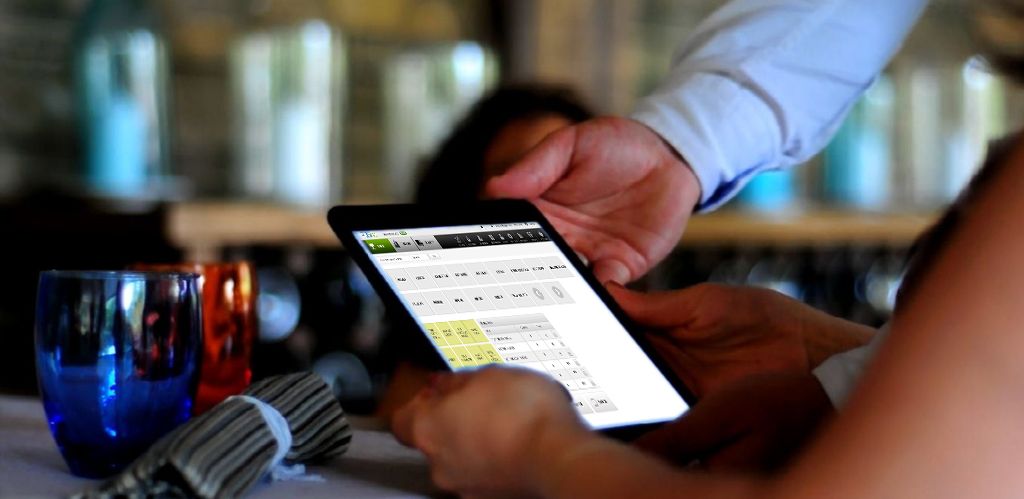
Restaurant operations often find that managing orders takes the most time. For all types of orders, including dine-in, takeout and delivery, managing the details accurately in real time matters a lot. This process can be made easy when an order taken by a restaurant POS system goes right to the kitchen after it is placed. It avoids misunderstandings and means fewer staff need manual tickets or instructions.
If linked to online or mobile ordering services, the system can ensure that online orders are sent correctly to the right station, all without needing manual control. It not only makes things faster but also reduces errors, so customers have less to complain about. Having orders appear automatically allows you to notice when things get slower and take immediate action to avoid traffic jams during the busiest times.
Improving Inventory and Supply Chain Control
It’s easy to overstock or lose important ingredients when handling inventory without the help of a system. Technology makes it possible to largely automate this process. Your inventory software can update all ingredient levels as you sell items, all linked through your POS system. It means that staff don’t have to do as many manual stock counts and ingredients are ordered in advance.
Furthermore, particular systems can create purchase orders automatically when stock levels become low, reducing waste. For places with several locations, it’s particularly important to have all inventory data available in one place. Staying in charge of supplies and vendors with technology allows restaurants to lower their expenses and work more smoothly.
Enhancing Staff Scheduling and Labor Management
Scheduling workers can be a tough job because it must consider who is available, what’s allowed by labor laws and when business is busiest. These days, software for scheduling lets managers handle many of these tasks automatically. It uses past sales records to decide when business will be busiest and set schedules that best suit both staff availability and required roles.
Shifts, time off, clock in and clock out can now be done automatically. When you join these programs with your payroll, they allow for easier administrative work and protect against any costly errors. For those in charge, this change means less time doing paperwork and more time helping with training and customer support.
Using Data for Making Decisions
It’s not just that technology does the work, it also supplies useful information that helps with decision making. A cloud based POS system can generate real-time reports on sales trends, best-selling items, and customer preferences. Restaurant owners have the opportunity to improve their menu options, set prices to attract more guests and aim their advertising more wisely.
Looking over performance data regularly helps managers find what needs improvement and judge how changes affect the organization. If you own several restaurants or frequently work off-site, pulling up your restaurant’s data from a cloud-based platform is very helpful. Because data-driven management reduces guesses, managers can view the organization’s performance without confusion.
It is no longer an option for restaurants to use technology for automation, it is now vital. Today’s tools can be used to manage staff schedules, control inventory, organize orders and evaluate the business’s performance. With the help of software such as a restaurant POS system, owners have more time to provide top quality food and service and less hassle from earlier manual duties.


