



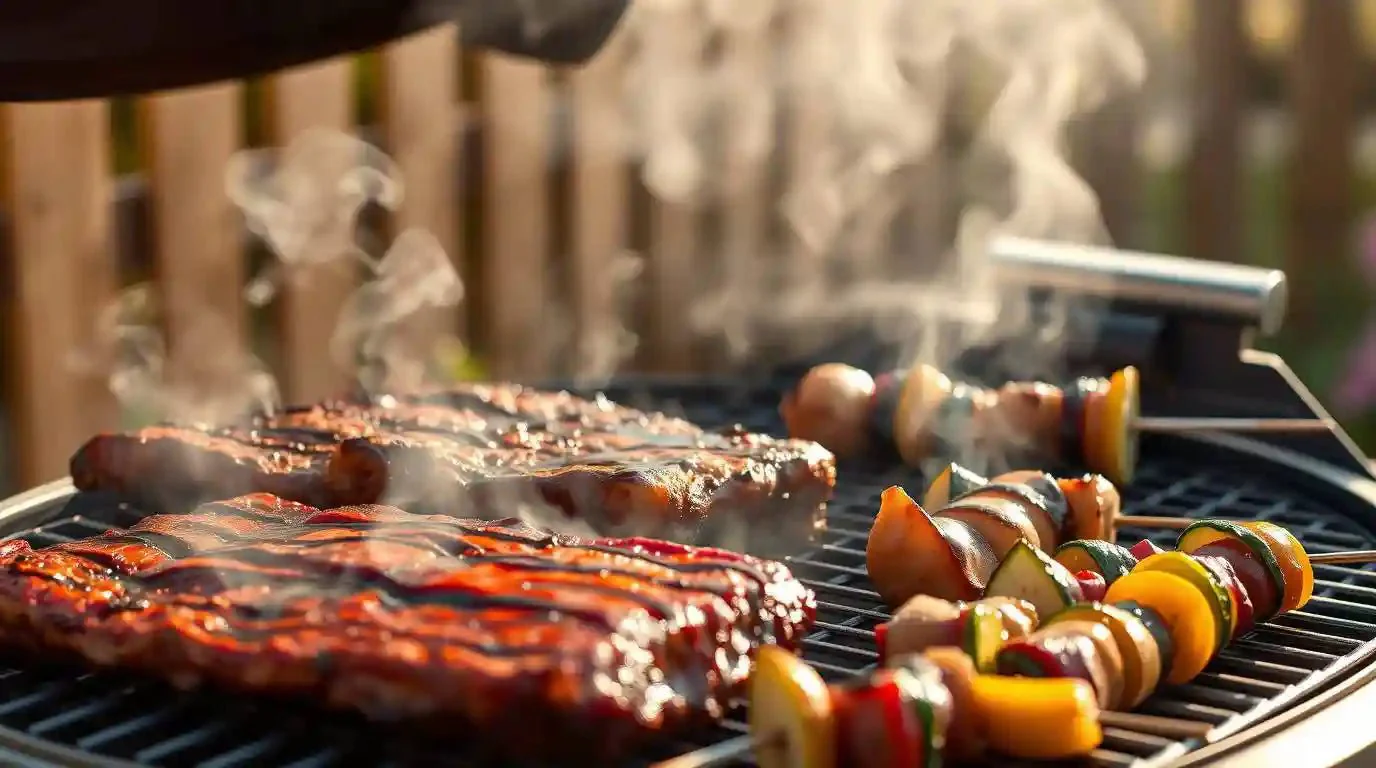
BBQ is commonly known to be related to fine pieces of meat, whereas common cuts can be turned on to fine, tasty dishes using the proper techniques. Most ignore these cheaper cuts because they think they are tough or tasteless yet through proper cooking and preparation, they can compete with the high-end meats. It is an art and science to transform the ordinary cuts into a favorite of the barbecue and you have to consider seasoning, cooking temperatures and timing.
The trick of success is to know the properties of each of the cuts and their natural flavors to increase them. It does not have to cost you a lot, and with just a few simple tricks you are going to impress your guests and eat tender, juicy and rich tasting BBQ. This manual discusses methods of turning mundane recipes into delicious meals.
Preparing The Meat Properly
To prepare the meat properly, it has to be cleaned and trimmed to cut off the excessive fat and connective tissue that would result in the uneven cooking. Although the presence of some fat is good in enhancing the flavor and moistness, an excess amount may lead to exposition of fire on the grill or lacklustre texture. In harder cuts that are harder to cut, light scoring or piercing can be used to enable marinades and rubs to permeate deeper into the meat giving it a flavor.
Another crucial procedure involved in the transformation of ordinary cuts is marinating. The vinegar, citrus or wines are acidic, so they decompose firmer fibers, whereas oil and seasonings add flavor and texture. The meat should be left to marinate in the marinade for several hours or overnight to get as much flavor as possible absorbed. Having plain salt and pepper can also be significant when combining it with slow cooking methods.
Adding Flavor Through Seasoning
An excellent method of adding depth to ordinary cuts is through the application of the dry rubs. The spices, herbs and sugars form a crust of flavor that adds texture and flavor. To achieve the most, it is preferable to leave the rub resting on the meat a few hours before cooking so that the ingredients can infuse.
The use of complementary sauces on top of cooking can make the experience of a BBQ more rewarding. Sauces must be used to complement the meat, not to overwhelm its natural taste whether it is sweet, spicy or tangy. Sauces added as the final minutes of cooking will provide a glaze of caramel which is attractive as well as tasty to the eye and palate. Local companies such as the BBQ assembly Toronto can be used to make sure that appropriate setups and methods are used to achieve the same outcome.
Cooking Methods Of Tender Meat
Slow cooking is a sure way of creating tender BBQ favorites out of the ordinary cuts. Low heat in prolonged durations causes the collagen and connective tissue to dissolve away to a soft and juicy texture. The smoked or indirect grilled method gives the meat a steady amount of heat with a touch of aromas and comes out with a dish that is comparable to the priciest of cuts.
Spritzing or basting the meat as it is cooking prevents the meat, particularly tough cuts, which become dry and tough. Juices can also be locked in by wrapping meat partially during the cooking process in foil or butcher paper. Patience is paramount, the cooking process should not be hurried because the slow heat will be rendered useless and the meat will either be hard or will not be cooked evenly.
Resting And Serving The Meat
Resting meat after cooking is an important aspect that is not taken seriously. Resting spreads the juices so that every bite is juicy and tasty. Premature cutting may result in loss of natural juices in the meat, thus making it dry and tasteless.
Presentation is equal to flavor when serving. The way one cuts can turn a simple slice into a masterpiece: one should cut across the grain, place the pieces attractively, and match them with the right sides. Cooking methods, ingredients, preparation and attention to details can make even the regular portions of meat a delight as a BBQ snack that both friends and family will be impressed by.


