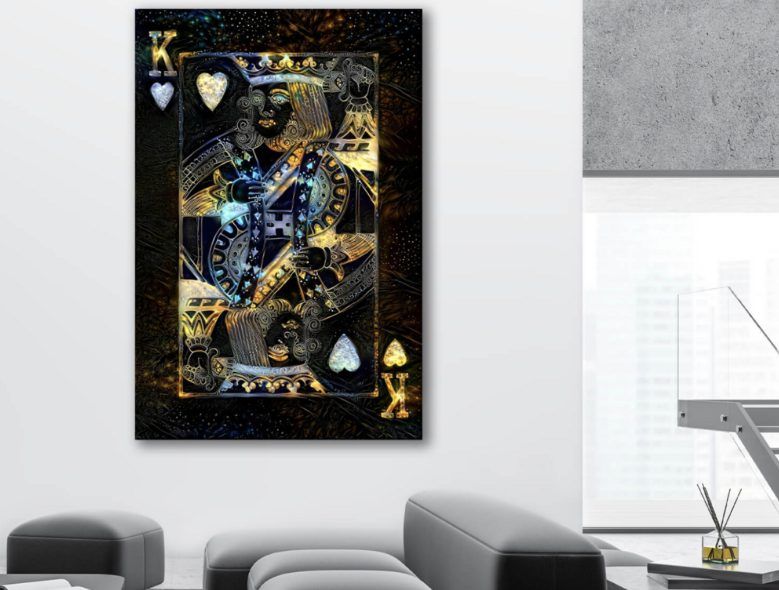
Refreshing your home does not always require buying new furniture or starting a complete renovation. In fact, one of the most effective ways to transform an interior is often the simplest: changing or introducing artwork. Art has the unique ability to redefine atmosphere, shift visual focus, and bring new energy into a space without altering its structure or layout.
If your home feels outdated, uninspiring, or simply too familiar, artwork can provide a powerful reset. By understanding how art interacts with color, balance, and mood, you can create a noticeable transformation while keeping your existing furniture exactly as it is.
Change the Focal Point of the Room
Every room needs a focal point — something that naturally draws attention when you enter. Over time, furniture alone rarely maintains visual interest, especially if you have lived with the same layout for years.
Introducing a new artwork immediately redirects attention. A large statement piece above a sofa or console can shift the visual hierarchy of the room, making the space feel redesigned even though nothing else has moved. When the eye focuses on art first, furniture begins to feel like a supporting element rather than the main attraction.
This simple shift can dramatically refresh how a room is perceived.
Introduce a New Color Story
Artwork is one of the easiest ways to update a color palette without repainting walls or replacing décor. A single piece of art can introduce new tones that subtly influence the entire environment.
For example, artwork featuring warm earthy colors can make a neutral room feel cozier, while cool tones can create a calmer and more modern atmosphere. Once the artwork is in place, small accents such as cushions or decorative objects can echo its colors, creating harmony without major investment.
This approach allows you to evolve your interior style gradually rather than committing to permanent changes.
Add Depth and Personality
Furniture provides function, but artwork provides identity. Over time, interiors can feel flat when surfaces remain visually unchanged. Art introduces texture, movement, and emotional depth that furniture alone cannot achieve.
Abstract pieces add energy and creativity, while minimalist artworks create calm sophistication. Textured canvases or layered compositions bring dimension that changes depending on lighting and viewing angle. These subtle visual variations make a room feel alive again.
Refreshing an interior often comes down to adding personality rather than replacing objects.
Use Art to Modernize a Space
Even traditional or older furniture can feel contemporary when paired with modern artwork. Designers frequently use contrast to update interiors without replacing major pieces.
A sleek abstract canvas above a classic sofa, for instance, creates a balance between old and new. The artwork reframes how the furniture is perceived, making the entire room feel current and intentional.
Midway through redesigning a space, many homeowners find inspiration by exploring curated collections such as those available at MusaArtGallery, where large-format contemporary pieces demonstrate how artwork alone can redefine an interior atmosphere.
Play With Scale for Instant Impact
Scale plays a crucial role in refreshing a room visually. Smaller decorative items often blend into the background, while larger artwork creates immediate transformation.
Oversized art pieces make walls feel purposeful and eliminate visual emptiness. Instead of adding more furniture or décor, one well-sized artwork can simplify the room while increasing sophistication.
Large-scale art also helps rooms feel more cohesive because it reduces visual fragmentation caused by multiple small elements.
Improve Balance and Proportion
Sometimes a room feels “off” without an obvious reason. This imbalance often comes from uneven visual weight — for example, heavy furniture on one side of a room with empty walls elsewhere.
Artwork helps redistribute visual balance. Adding art opposite large furniture or within empty vertical spaces creates equilibrium. The room begins to feel more harmonious without changing its layout.
Strategic placement can make a familiar space feel newly organized and thoughtfully designed.
Transform Mood Through Lighting and Art
Artwork interacts strongly with lighting conditions. During the day, natural light highlights colors and details. At night, warm lighting can create a gallery-like atmosphere that changes how the room feels entirely.
Adding artwork near light sources or incorporating subtle picture lighting enhances depth and focus. This combination allows a room to evolve throughout the day, providing freshness without physical redesign.
Mood shifts often come from atmosphere rather than objects themselves.
Keep the Rest Simple
When refreshing interiors with art, simplicity is essential. Avoid adding too many decorative elements around new artwork. Allow the piece space to breathe so it can fully impact the room.
Minimal adjustments — perhaps rearranging accessories or removing unnecessary décor — often enhance the transformation even more. The goal is refinement, not replacement.
Conclusion
Refreshing your interior does not require replacing furniture or investing in large renovations. Artwork offers a flexible and powerful way to reinvent a space through color, scale, emotion, and balance.
By introducing thoughtfully chosen pieces, you can redefine focal points, modernize existing furniture, and create a renewed atmosphere that feels intentional and inspiring. Sometimes the most effective design changes are not about adding more things, but about introducing the right visual element — one that reshapes how the entire room is experienced.