



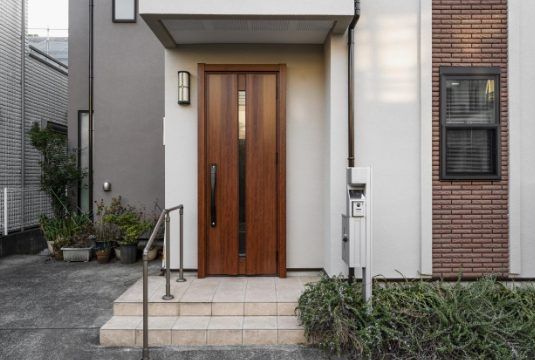
Home should be the place where you feel most secure, yet concerns about forced entry remain very real. Many people wonder how many home invasions occur per year, and statistics show that in the United States there are about 2.5 million burglaries annually, with roughly two-thirds involving residential properties. This means millions of families face the risk of having their privacy and safety disrupted.
Preventing such incidents does not always require costly systems; consistent habits like reinforcing entry points and being mindful of routines can make a significant difference in keeping your home safe.
We’ll explore simple, effective measures for fortifying your defenses, improving your vigilance, and establishing smart habits. Start today to take control of your safety and truly protect what matters most.
Understanding Home Invasion Risks
Intruders often rely on simple opportunities to gain access, making the risk of home invasion a constant concern.
An unlocked door or window provides the easiest entry, while poor lighting around the property allows them to move without being noticed. Predictable daily routines can also give away the times when a home is most likely to be empty, making it easier for an intruder to plan a home invasion.
Certain parts of a house are especially vulnerable to home invasion. Back doors, side entrances, garages, and ground-level windows are among the most common targets because they are often less visible from the street or from neighbors.
Awareness of these risks is essential. Recognizing weak points in your home and daily habits creates the foundation for effective prevention, helping you take action before a threat arises.
Strengthening Physical Security
Securing the physical perimeter of your home is the most direct defense against home invasion. The goal is to maximize the time and noise required for an intruder to enter, thereby increasing their risk of detection.
1. Secure Doors and Windows
Doors and windows are the most common entry points for intruders, so investing in strong protections is essential to deter home invasion. Smart locks provide greater control over access, while reinforced frames reduce the chances of forced entry. Sliding doors, often seen as a weak spot, can be secured with dedicated security bars that prevent them from being lifted or forced open.
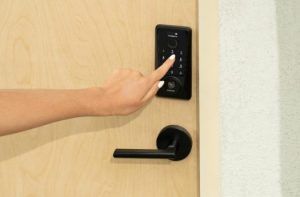
For modern protection, a smart lock offers the best defense and control. The DESLOC D110 Plus Smart Lock is an excellent choice, combining rugged reliability with smart features.
It offers six-in-one access (including fingerprint, passcode, app control, and physical key), ensuring you are never locked out. Its built-in Wi-Fi and LockVue technology allow you to monitor your door status, view access logs, and generate temporary access codes for guests or services, all remotely from your phone. This level of control means you always know who is coming and going.
Adding peepholes or security cameras at main entry points further increases safety, allowing you to see who is outside before opening the door and deterring unwanted visitors.
2. Install Home Security Systems
A reliable security system is one of the most effective ways to prevent home invasion. Alarm systems can alert you immediately if someone attempts to break in, while motion detectors and smart cameras provide continuous monitoring. Monitored systems connect directly to a professional service that can notify authorities, offering greater peace of mind. Unmonitored systems may be more affordable, but they rely on you or your neighbors to respond quickly when an alert is triggered.
3. Outdoor Security Measures
The exterior of your property is the first line of defense. Motion-sensor lights make it difficult for anyone to approach without being noticed, reducing opportunities for intrusion. Landscaping also plays a role in safety; trimming back overgrown bushes and eliminating hiding spots near doors or windows removes cover that intruders might use.
4. Lock Up Valuables
Even with strong security measures, it is wise to limit temptation. Keeping expensive items out of sight from windows prevents them from being easy targets. For sensitive documents, jewelry, or cash, a fireproof and tamper-resistant safe provides an extra layer of protection within the home.

Physical barriers are vital, but smart habits are what truly fortify your home defense. Shifting your daily actions can significantly reduce your attractiveness as a target.
Create Unpredictability
Avoid allowing your movements to become a schedule an intruder can easily predict. If you are going out, use timers for lights and electronics to mimic occupancy. Vary your times for errands or other regular activities. A home that appears to have an unpredictable and irregular routine is far less appealing than one that signals a set window of absence.
Neighborhood and Community Involvement
Your community is one of your best security assets. Participate in a neighborhood watch program or simply establish a mutual agreement with trusted neighbors to keep an eye on each other’s properties. An alert community acts as a network of observers, making it much harder for criminals to operate unseen.
Emergency Planning
Do not wait for a crisis to plan a response. Emergency planning is crucial for every family member. Teach your household what to do if an intruder attempts entry, focusing on quick, quiet actions, such as locking down a room, having a pre-determined escape route, and calling for help. Everyone should know where the safe room or rally point is and when to shelter in place.
Communication with Neighbors
Maintain open communication with your neighbors. If you plan to be away, quietly share travel plans with one or two trusted contacts so they know to watch for unusual activity. Never announce your absence publicly on social media or leave notes that advertise an empty home. Ask a neighbor to collect your mail and newspapers to prevent a build-up that signals you are away.
Regular Maintenance and Audits
Even the most advanced security measures are useless if they are not maintained. A proactive schedule of inspection and upkeep ensures your defenses remain reliable and effective over time.
System Inspection and Testing
Make it a habit to inspect locks, alarms, and cameras regularly. Test your security system’s panic buttons and ensure all motion detectors are functioning correctly. For cameras, check that the lenses are clean, the power source is working, and the field of view has not been obstructed by new plants or decorations.
Structural Integrity Checks
Security starts with the structure of your home. Ensure all windows, doors, and gates function properly and are secure when locked. Look for signs of wear on door frames, hinges, and window latches. Address any sticky locks or loose fittings immediately, as these flaws can be easily exploited by an intruder.
Digital Security Updates
For your smart home devices, update security settings and passwords on a regular schedule. Change default settings and use strong, unique passwords for smart locks, video doorbells, and Wi-Fi networks. Install software updates promptly, as these often contain crucial patches for security vulnerabilities that could otherwise leave your home’s digital access exposed.
Conclusion
The security of your home isn’t a single project; it’s an ongoing commitment. You now have a clear roadmap, moving from understanding the intruder’s mindset to implementing high-tech solutions and cultivating smart daily habits. Remember that preparedness is the most powerful deterrent.
Visit the DESLOC official website and explore the DESLOC D110 Plus Smart Lock to upgrade your home security today!


