





How to Choose the Right Exercise Intensity?
Choosing the right exercise intensity is one of the most important steps in making workouts feel rewarding rather than exhausting. Many people begin exercising with enthusiasm but quickly feel confused when results do not show up or when workouts feel too difficult to maintain. Daily responsibilities, energy levels, and personal comfort all play a role, so understanding how to measure effort in a simple, practical way can make fitness feel far more manageable. In this article, we explore how to understand, measure, and apply the right workout intensity to support a healthier and more enjoyable fitness routine.
Understanding the Three Key Intensity Levels
Defining Light, Moderate, and Vigorous Exercise
Light exercise feels gentle and comfortable, allowing you to breathe easily and hold a conversation without strain. Moderate exercise requires a bit more effort, raising your heart rate and warming your muscles while still feeling steady enough to continue for a longer duration. Vigorous exercise feels challenging, making breathing heavier and limiting your ability to speak more than a few words at a time. Understanding these distinctions helps you choose activities that match your goals, whether that means easing into movement or pushing yourself safely. By recognizing how each level feels in your own body, you can avoid guessing and make smarter choices during each workout session.
How Each Intensity Level Benefits Your Body
Light intensity supports circulation, mobility, and active recovery, making it useful for days when energy is low or when you are easing into a routine. Moderate intensity strengthens the heart, improves endurance, and supports healthy metabolism in a balanced and sustainable way. Vigorous intensity enhances performance, boosts stamina, and increases strength when used thoughtfully and with enough recovery. Each level has a role, and rotating between them throughout the week creates a well-rounded approach that supports everyday life activities, such as climbing stairs or carrying groceries. Learning how your body responds to different intensities helps you exercise with purpose rather than pressure.
Simple Methods to Measure Your Intensity
Using the Talk Test During Your Workout
The talk test is an easy and practical way to understand effort without needing equipment or calculations. If you can speak comfortably, your intensity is light; if you can talk but not sing, you are working at a moderate level; and if speaking more than a few words feels difficult, you are at vigorous intensity. This method fits naturally into daily routines, especially for walking, home workouts, or running outdoors. It takes away the guesswork and helps you exercise at a level that feels productive while still manageable. By tuning into your breathing and speech ability, you gain confidence in controlling your intensity without complication.
Understanding Heart Rate Zones and Calculations
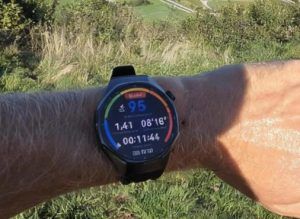
Heart rate zones provide a more detailed way to measure intensity and can be helpful for people who enjoy tracking their progress. Each zone corresponds to a percentage of your maximum heart rate and reflects how hard your body is working during exercise. Monitoring these levels can help ensure you are not pushing too hard too quickly, especially when beginning a new routine. Devices such as a Huawei watch can support this by displaying heart rate trends, workout data, and helpful analysis so you can adjust your training more comfortably. With this understanding, heart rate becomes a useful guide that supports safe and effective workouts without requiring advanced knowledge.
Practical Guide to Applying Intensity in Your Workouts
Applying the right intensity starts with matching effort to your goals, schedule, and energy levels rather than forcing every workout to feel the same. On busy days, light or moderate exercise may be enough to maintain consistency without draining your strength. On days when you feel energized, incorporating short bursts of vigorous activity can help improve fitness without overwhelming the body. This kind of intuitive adjustment is often supported by observing your body’s feedback—such as understanding the relationship between running and calories burned—which can help you tailor effort to your needs without rigid rules. This flexible approach prevents burnout and encourages long-term commitment to movement.
Common Intensity Mistakes and How to Avoid Them

Many people assume that harder workouts always produce faster results, but pushing too intensely too soon often leads to fatigue, soreness, or frustration. Another common mistake is exercising too lightly for too long, which can slow progress and reduce motivation. Some beginners switch intensity randomly without paying attention to how their body responds, making it difficult to see improvement. Avoiding these mistakes requires listening to your energy levels, tracking how you feel after workouts, and adjusting gradually rather than abruptly. With awareness and patience, you can avoid setbacks and build confidence in your training rhythm.
Creating Your Personalized Intensity Plan
Building a Balanced Weekly Intensity Schedule
A balanced weekly exercise plan blends light, moderate, and vigorous activities in a way that supports progress without strain. For example, you might include two moderate sessions, one vigorous session, and several light activity days that support movement without pressure. This structure allows the body time to recover while still improving stamina, strength, and overall conditioning. Everyday life tasks, sleep quality, and stress levels can help determine which days should be easier or more challenging. With practice, this balance becomes intuitive and helps exercise feel like a natural part of your routine.
Knowing When to Push and When to Pull Back
Learning when to increase intensity begins with paying attention to how your body feels before, during, and after exercise. If you feel energized, coordinated, and motivated, it may be a good day to push a little harder or try a new challenge. If you notice soreness, low energy, or difficulty concentrating, pulling back can help prevent injury and maintain long-term progress. Over time, this awareness becomes a reliable guide that supports both safety and improvement. By respecting your limits and responding with care, you create a training approach that is both effective and sustainable.
Conclusion
Choosing the right exercise intensity helps you enjoy movement, make steady progress, and reduce frustration or discomfort. With simple tools like the talk test, heart rate awareness, and paced adjustments, you can exercise confidently without guessing. Balancing different intensity levels throughout the week supports energy, recovery, and motivation, making fitness feel accessible even on busy days. By listening to your body and adjusting thoughtfully, you create a workout experience that strengthens both physical health and everyday well-being. Training smarter instead of harder becomes the key to long-lasting and enjoyable fitness.


