



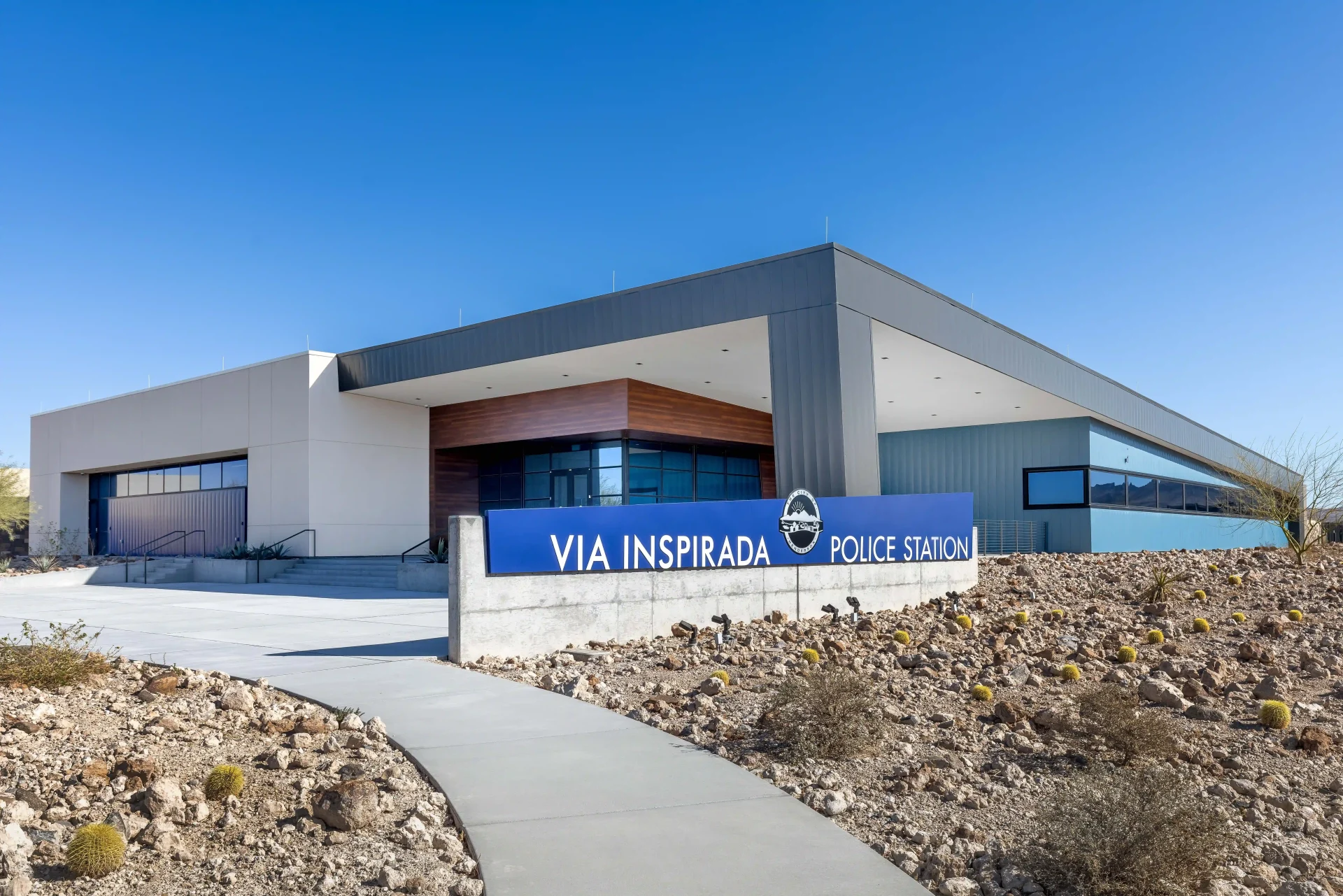
In recent years, the approach to law enforcement has evolved significantly, moving away from traditional tactics and focusing more on community engagement, mental health, and fostering stronger relationships with citizens. As modern society grows more complex, so too does the role of the police force. The traditional model of law enforcement, which largely focused on enforcing the law and maintaining public order, is being reevaluated. Today’s police stations are implementing innovative strategies to improve their workforce, ensure better public safety, and promote positive community interactions. Here’s a closer look at how modern police departments are working to adapt and improve.
1. Embracing Technology for Efficiency and Transparency
One of the most significant shifts in modern police stations is the integration of technology. From body-worn cameras to advanced data analytics tools, law enforcement agencies are utilizing technology to increase transparency, streamline operations, and make informed decisions. This digital transformation not only helps in gathering evidence but also provides greater accountability and ensures that officers’ actions are documented accurately.
Body cameras, for instance, offer an unbiased record of police interactions with the public. They provide a clear view of incidents, helping to build trust and credibility within communities. The use of technology extends beyond cameras too. Police stations are also leveraging sophisticated software for predictive policing, helping them allocate resources more effectively based on data analysis. With machine learning and predictive algorithms, police forces can identify trends in criminal activity, which can aid in the prevention of crime and the more efficient use of resources.
2. Community Policing and Building Trust
One of the cornerstones of modern policing is the emphasis on community-oriented strategies. Community policing aims to build a closer relationship between the police force and the communities they serve. This strategy is based on the idea that law enforcement should be actively involved in neighborhoods, working in partnership with residents to solve problems and improve quality of life.
Police departments are increasingly assigning officers to specific neighborhoods or districts, allowing them to build relationships with the community members they serve. By becoming familiar with residents and local issues, officers can address concerns more effectively and be seen as a resource rather than an external force. Community policing also allows police to identify issues before they escalate, such as neighborhood disputes or signs of gang activity. By fostering trust and understanding, this approach has been proven to reduce crime and improve public perception of law enforcement.
3. Enhancing Officer Training
Training has always been an essential component of policing, but today’s officers are required to have a more diverse skill set than ever before. Modern law enforcement agencies are prioritizing ongoing education and skill development, ensuring that officers are not only prepared for traditional law enforcement duties but also equipped to handle new challenges.
Many police stations have shifted their focus to training officers in de-escalation techniques. Instead of relying on force in tense situations, officers are being trained to recognize early signs of conflict and employ techniques that can prevent violence or injury. This emphasis on conflict resolution and emotional intelligence is part of a broader push to make officers more effective at handling high-pressure situations while maintaining respect for all individuals involved.
Additionally, some agencies are providing training in cultural competence, aiming to reduce biases and improve interactions with diverse populations. Recognizing and respecting cultural differences has become a vital skill in today’s increasingly multicultural societies. By improving the way officers engage with communities of different backgrounds, police departments can work to bridge gaps in understanding and reduce tensions.
4. Mental Health Support and Specialized Units
As public awareness of mental health grows, so too does the role of mental health professionals within law enforcement. In an effort to address the needs of individuals experiencing mental health crises, police social workers, mental health professionals, and other specialists are hired to help provide appropriate support in crises.
For instance, some police departments have partnered with mental health experts to create specialized units designed to respond to mental health emergencies. Instead of sending officers with limited training in mental health to address these incidents, teams that include social workers, crisis intervention specialists, or psychologists are dispatched to offer appropriate support. These teams are trained to assess the situation and provide non-violent solutions, ensuring that individuals get the help they need without unnecessarily escalating the situation.
This collaboration helps reduce the number of individuals with mental health conditions who are incarcerated and instead encourages treatment and rehabilitation. By integrating social workers and mental health professionals into their workforce, police stations can approach complex situations with a more holistic, supportive mindset.
5. Focus on Diversity and Inclusion
A modern police force must be reflective of the communities it serves. One of the most effective ways to improve police services is by fostering diversity within the workforce. By recruiting officers from a wide range of backgrounds, police departments are better equipped to understand the unique challenges faced by different communities. A diverse police force is more likely to build rapport with residents from all walks of life, which can reduce misunderstandings and increase cooperation.
In addition to recruiting officers from diverse backgrounds, modern police stations are also focusing on creating inclusive environments for all staff. They are investing in initiatives that promote gender equality, racial diversity, and the representation of marginalized communities within the force. By creating a more inclusive work environment, police stations are not only improving internal morale but also enhancing their ability to serve a diverse public.
6. Improving Officer Well-being
The stress and trauma that come with police work can take a significant toll on officers’ mental and physical health. In recognition of this, police stations are becoming more proactive in supporting the well-being of their officers. Many law enforcement agencies are implementing wellness programs that provide mental health support, stress management techniques, and physical fitness resources.
These programs are designed to ensure that officers are equipped to handle the emotional and psychological demands of their work. Stress relief initiatives such as counseling services, peer support groups, and physical fitness programs help officers maintain their mental and physical health, which in turn improves their job performance. A healthier workforce is more effective at responding to crises, making decisions under pressure, and interacting positively with the community.
7. The Future of Policing
As we look toward the future, it’s clear that the role of the police is changing. Modern police stations are focusing on reducing crime, building community relationships, and improving the overall well-being of their workforce. The integration of mental health professionals, the focus on diversity and inclusion, and the use of technology are just a few of the ways that police forces are modernizing to meet the needs of contemporary society.
By continuing to innovate and adapt, modern police stations will likely play an even more integral role in building safer, more cohesive communities. The emphasis on community policing, technological advancement, and mental health support represents a fundamental shift in how law enforcement interacts with the public, aiming to create a more supportive and effective system for all.


