



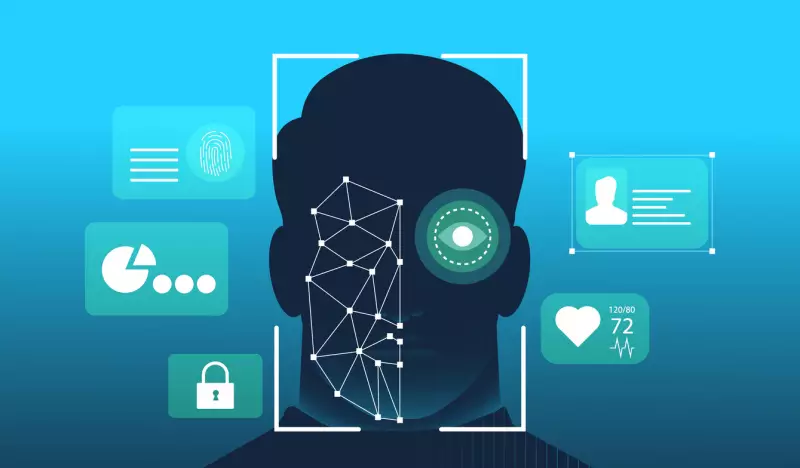
The digital transformation in businesses has improved customer onboarding, user verification, and securing transactions. As cyber threats increase in every industry, enterprises need data verification systems that have speed, reliability, scalability, and ability to protect sensitive information. Modern id technologies have developed to provide seamless systems that mitigate fraud, improve trust, and provide better user experience.
Automated verification shift is crucial for businesses in sectors and services such as payments, account creation, management and access to sensitive information, compliance to government regulations, and remote onboarding. Modern businesses need verification systems that are easy to use, privacy-preserving, and have the capability to multi-signal analysis. This is the area most advanced systems focus on.
Modern id systems use facial recognition software to authenticate users, aid in secure logins, and disable access for unauthorized users. These systems contribute to multi-faceted verification systems that combine with other methods to increase system security.
Understanding What Makes Identity Verification More Effective Today
Modern identity verification is accurate, fast, and adaptable. Unlike the old manual systems, technologies in the sector are digital, and they allow businesses to authenticate users in real time, reduce friction in the system, and maintain user experience.
Changes Made to Solve the Above Issues
– Better detection of advanced fraud attempts
– Reduced processing and onboarding time
– Increased accuracy due to machine learning and pattern detection
– Reduced manual review of workflows
– Fulfillment of global compliance and documentation standards
The above improvements strengthen the self-access solution and create a positive user experience for both businesses and their clients.
Features of the Modern Identity Verification Systems
Multiple Verification Workflows
The best systems have several data points to verify identity, ensuring the user isn’t a fraudster, even if one data point is compromised.
Common Elements Include
– Document review
– Biometric verification
– Knowledge or risk assessment
– Analysis of user behavior and device patterns
These elements help organizations achieve a balance of stronger security, and simple user experience at login and onboarding.
Innovative Biometric Verification
In the face of modern security strategies, systems should provide the ability to verify a user according to their unique and personal biometric profile to prevent impersonation and unauthorized access.
Why Biometrics Stand Out
– Hard to Duplicate
– Quick and Very Precise
– Seamless and Easy to Use
– Keeps Working for Remote Verification
Organizations are using biometric methods in high volumes now because it builds customer confidence and removes all the friction with the use of the passwords, codes, or tokens.
How the Integration of Liveness Detection Tech Helps to Increase the Level of Fraud Prevention
Liveness detection is the biometric system of determining if the person trying to do the verification is actually present and cannot use a still photo, deepfake, mask, or some kind of digital trickery. This is one of the explicit methods to stop biometric spoofing.
Benefits That Come From the Adoption of Liveness Technology
– Protects “presentation” attacks
– Facilitates Trusted Biometric Onboarding
– Verifiable Image Authenticity
– Allows Remote Safe Identity Proofing
With the number of threats getting higher, liveness detection should now be viewed and accepted as a critical part of the system.
Protecting Privacy During Identity Verification
Companies are observing strict regulations to protect user trust such as data minimization, appropriate encryption, and secure data storage.
Trusted systems and their Core Privacy Principles
– Limiting data to the bare minimum
– Encrypted sensitive data and its endpoints
– Communicating about data usage and processing transparently
– Retention of the data is limited and secure
– Users can manage their personal data
Every privacy-preserving verification system will offer businesses great benefits.
User Experience Drives Verification
Boosting user experience is as essential as strengthening security. Users today expect verification to be seamless, quick, and simple. Slow and complicated verification processes cause drop-offs, abandonments, and trust erosion.
In What Ways Do Modern Systems Improve User Experience
– Minimal processing time
– Simple guides and user-friendly processes
– Steps of verification can be done on the phone
– Automation to bypass any manual review slowdown
– Universally designed to accommodate everyone
Prioritizing ease of use allows businesses to lower friction and improve user experience without compromising on security.
Preventing Fraud is Why Most Businesses use Identity Verification Solutions
Fraud prevention tops the list of reasons organizations use advanced verification systems. An increase of risk factors such as identity theft, account takeover, false registrations, and synthetic identities is a threat to digital businesses.
Fraud Reduction Benefits
– Stopping unauthorized access to accounts
– Stopping fraudulent registrations
– Early detection of high-risk behaviors
– Protection of sensitive payments and transactions
– Protection of brand reputation
Trust remains the most important value for consumers, making a secure verification process the only realistic way for companies to scale with confidence.
Choosing an Identity Verification Solution: Key Considerations
Companies look for reliability, seamless integration, adaptability, and security of the system when choosing a verification partner. The ideal system aligns to the company’s size, regulatory climate, and customer base.
What Organizations Should Look For
– The ability for multiple verification methods
– Biometric and liveness detection
– Fraud detection mechanisms
– Regulation compliant
– System and process efficiency
– Protected data
Prioritizing these features, organizations can be confident their identity workflows will foster increased adaptability and security.
Final Thoughts
As organizations face new cyber risks, the need for seamless and secure integration of identity verification within the digital ecosystem grows. Thanks to the growing use of biometrics, real-time analysis, and sophisticated authentication processes, organizations can secure their systems and provide a smooth experience for their customers.


