



With rising energy prices and climate awareness at an all-time high, homeowners are actively seeking ways to make their homes both energy-efficient and comfortable. Implementing updated heating solutions not only trims down utility bills but also creates a consistently cozy indoor environment, all while benefiting the planet. For those dealing with older or malfunctioning systems, timely maintenance and repairs can also play a vital role in efficiency. If your system needs professional attention, consider Heating Repair in Jackson, NJ to restore your home’s comfort and efficiency quickly.
Efficiency doesn’t happen by accident—it’s the result of innovative technology, reliable hardware, and targeted improvements to the home’s structure. When each element of a heating system works in seamless harmony, homeowners experience year-round comfort and remarkable energy savings. By tackling inefficiencies, you also contribute to a future with fewer emissions and reduced energy demand.
Energy-efficient upgrades provide a pathway to more affordable and comfortable living. Modern home heating solutions frequently pair cutting-edge hardware with insights about how and when you use energy, unlocking savings and maximizing comfort. With proper installation and routine care, new heating systems often prove more reliable and long-lasting—making them a wise investment for almost any household.
Beyond immediate comfort, these improvements often boost your property’s value and appeal. Prospective buyers are increasingly drawn to homes with energy-saving upgrades, and a home’s sustainability profile has a significant influence on many. Efficient heating supports both personal wellness and broader neighborhood resilience, making it a win-win for today’s homeowners. For an in-depth comparison of high-efficiency systems, visit this analysis from Tom’s Guide.
Understanding Energy-Efficient Heating Systems
Energy-efficient heating systems are engineered to generate warmth while minimizing wasted energy. Technologies such as heat pumps, high-efficiency furnaces, and integrated smart controls outperform traditional systems in both performance and cost-effectiveness. For example, heat pumps are notable for their ability to provide up to three times the energy they consume by drawing heat from outdoor air or the ground—even in cooler climates. Homeowners in every region can find substantial savings by replacing outdated heaters with newer, more efficient alternatives. Discover more about how heat pumps work.
Benefits of Upgrading to High-Efficiency Furnaces
Switching to a high-efficiency furnace can reduce energy waste, lower utility costs, and decrease household carbon emissions. High-efficiency models use advanced heat exchangers, two-stage or variable-speed blowers, and precise controls to optimize output while minimizing fuel use. Not only do these systems provide consistent warmth, but they also run more quietly and reliably than older units, increasing comfort during even the coldest spells. For many families, that means fewer breakdowns and a far more sustainable home environment.
The Role of Smart Thermostats in Energy Conservation
Smart thermostats put homeowners in control, offering remote access and intelligent scheduling that adapts to daily routines. By programming the system to lower the temperature during work hours or overnight, users can save energy without sacrificing comfort. According to the U.S. Department of Energy, adjusting the thermostat by 7–10°F for eight-hour stretches can cut annual heating and cooling costs by as much as 10%. Integration with home automation systems further boosts energy efficiency, with many models even adjusting to weather changes and user preferences automatically.
Sealing and Insulating: Simple Steps to Enhance Efficiency
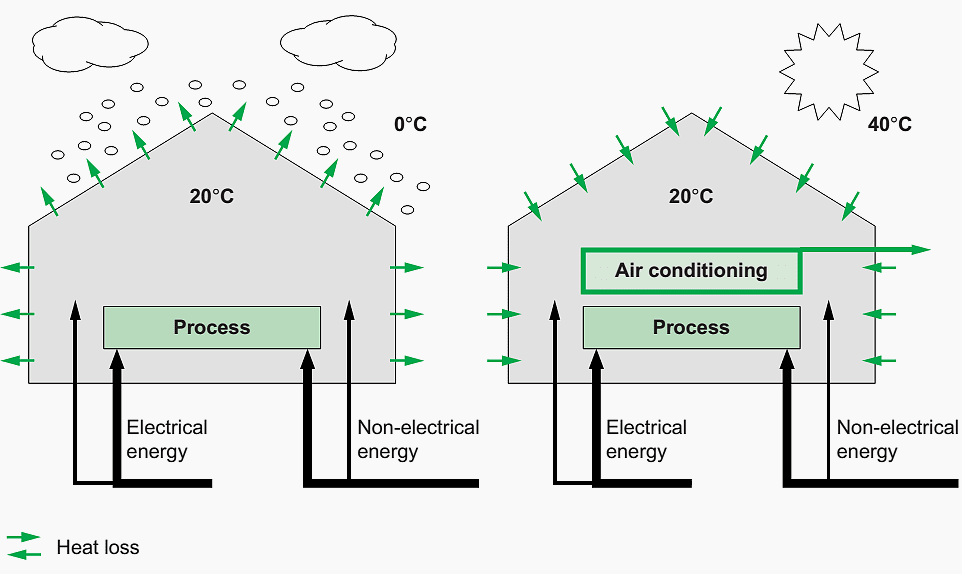
Heating efficiency vanishes through cracks, gaps, and poorly insulated areas in your home’s envelope. Air sealing and upgrading insulation in walls, ceilings, attics, and around windows or doors are straightforward yet highly impactful solutions. When done correctly, these steps can reduce heating demand by up to 20%, eliminate drafts, and ensure evenly distributed warmth throughout the room. In older homes, especially, targeted insulation can significantly enhance comfort while improving overall home performance.
Regular Maintenance: A Key to Sustained Performance
Routine maintenance ensures heating systems operate at their best for years to come. Monthly air filter changes, annual professional service appointments, and swift attention to any warning signs not only extend equipment life but also maintain system efficiency. Tasks such as lubricating moving parts, checking flue vents, and cleaning heat exchangers can make a measurable difference in both comfort and reliability, helping to prevent costly emergency breakdowns.
Leveraging Renewable Energy Sources
Geothermal heat pumps and solar-assisted systems represent the next frontier of energy-efficient heating. Geothermal systems use the earth’s steady underground temperature to heat and cool homes, making them among the most efficient and eco-friendly systems available. Although installation costs can be higher upfront, long-term operational savings and minimal environmental impact make renewables an excellent choice for those committed to sustainability. These systems contribute to significant emissions reductions and often pair seamlessly with other energy-saving technologies.
Financial Incentives and Rebates
Homeowners may be eligible for state or federal incentives, rebates, or low-interest financing programs designed to offset the upfront cost of efficient heating upgrades. Many utility companies also offer special programs for upgrading to high-efficiency equipment or implementing recommended weatherization measures. Researching your area’s incentives can make a significant difference in the affordability of your project and provide added motivation to transition to greener heating.
Conclusion
Energy-efficient heating solutions are a powerful way to reduce costs, enhance home comfort, and lower your household carbon footprint. With professional guidance and a commitment to regular maintenance, homeowners can enjoy significant benefits—immediately and in the long run—by upgrading their systems, improving insulation, and integrating smart controls. Every step toward efficiency contributes to a more comfortable, resilient, and environmentally friendly home.


