



The lending experience has changed dramatically over the past few years. What used to involve branch visits, paperwork, and multiple follow-ups is now expected to be fast, transparent, and digital. A borrower self service portal plays a central role in this shift, giving applicants and existing customers the ability to manage their loans independently—anytime and from any device.
The demand for self-service is not just a convenience trend. It reflects a broader change in borrower behavior. Studies show that over 60% of borrowers prefer digital loan applications, and nearly 81% research loan options online before applying. As expectations evolve, lenders are turning to self-service portals to remove friction across the entire lending lifecycle—from application to repayment.
The New Borrower Expectation: Control and Transparency
Modern borrowers want three things:
- Speed
- Visibility
- Convenience
In India, digital-first borrowing is already mainstream. In 2025, 51% of borrowers preferred taking loans online, overtaking branch-based applications. Globally, similar trends are emerging across consumer, SME, and mortgage lending.
Self-service portals meet these expectations by giving borrowers:
- Real-time application status
- Document upload without email back-and-forth
- Instant access to loan details
- 24/7 account management
Instead of waiting for a call or visiting a branch, borrowers stay informed and in control.
Where Friction Happens in the Lending Lifecycle
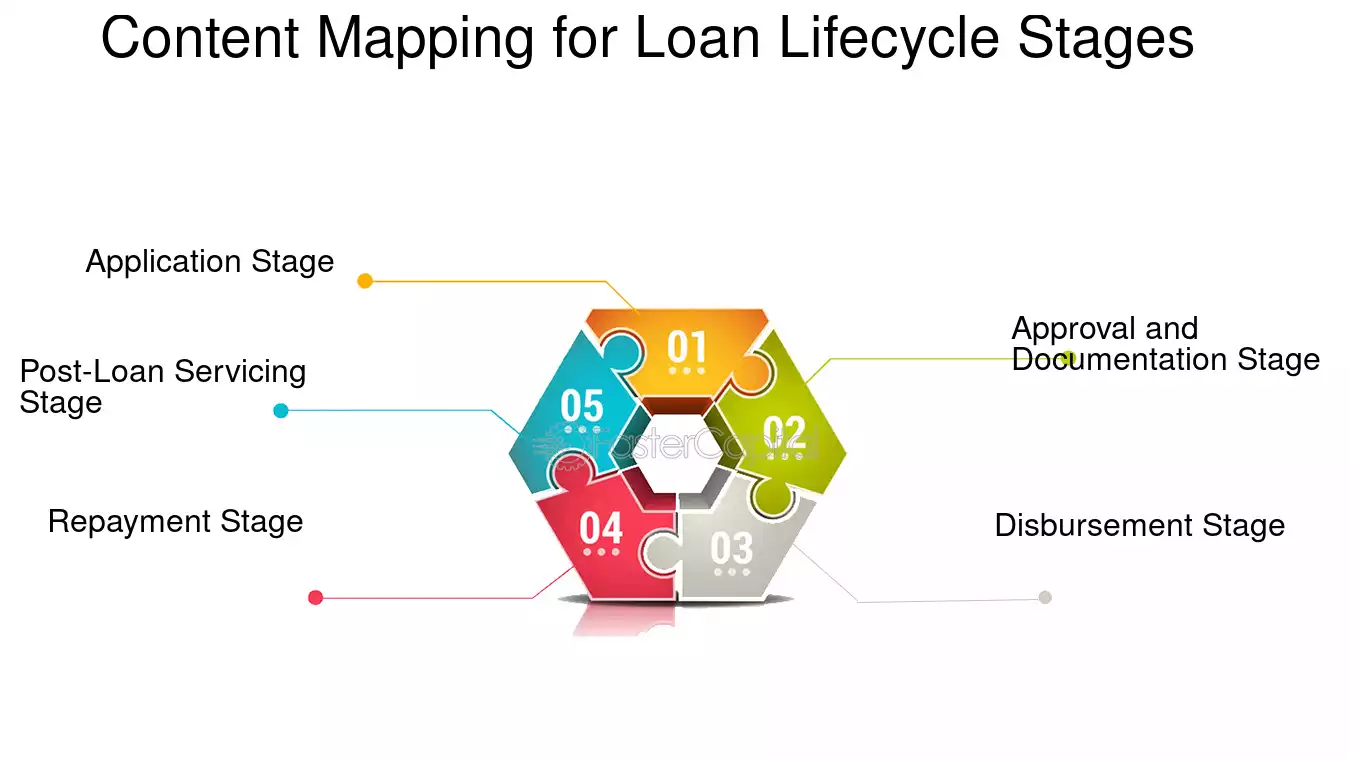
Before digital self-service, friction typically showed up at multiple stages:
- Application delays due to incomplete forms or missing documents
- Manual document collection through email or physical submission
- Status uncertainty, leading to repeated customer inquiries
- Onboarding bottlenecks after approval
- Post-disbursement confusion around schedules, statements, or prepayments
Each of these touchpoints increases operational workload for lenders and frustration for borrowers.
Self-service portals address these pain points systematically.
How Self-Service Portals Reduce Friction
1. Faster, Guided Applications
Modern portals use structured workflows that:
- Validate information in real time
- Highlight missing fields
- Allow document uploads directly from mobile devices
This reduces incomplete applications and shortens processing cycles. Industry data shows that digital automation has already reduced average processing times from seven days to around five days.
2. Real-Time Status Visibility
One of the biggest borrower frustrations is uncertainty. Self-service dashboards provide:
- Application progress tracking
- Approval notifications
- Pending action alerts
This transparency significantly reduces inbound support calls and improves the overall experience.
3. Seamless Digital Onboarding
After approval, portals enable borrowers to:
- Complete e-signatures
- Verify identity digitally
- Set up repayment instructions
Today, 82% of mortgage lenders use digital onboarding, and most report improved customer experience as a result.
4. Ongoing Loan Management
The value of self-service doesn’t end at disbursement. Borrowers can use portals to:
- View repayment schedules and statements
- Make part-prepayments or foreclosures
- Update contact details
- Download tax or interest certificates
Nearly 60% of borrowers now use mobile apps to manage their loans, showing how important post-disbursement self-service has become.
5. Faster Issue Resolution
Integrated chat, ticketing, or chatbot features allow borrowers to:
- Raise queries directly from their account
- Track resolution status
- Access FAQs and knowledge resources
This reduces dependency on call centers while improving response times.
Operational Benefits for Lenders
While self-service improves borrower experience, it also delivers measurable business value.
Lower servicing costs
Routine tasks—status checks, document requests, statement downloads—shift from support teams to digital channels.
Higher completion rates
Structured workflows and reminders reduce application drop-offs.
Scalability without proportional staffing
As loan volumes grow, digital servicing absorbs the increase.
Better data accuracy
Borrowers enter and update information directly, reducing manual errors.
Digital origination platforms can also process loans up to 2.7 times faster and reduce operational costs by as much as 33%.
Building Trust Through Transparency and Security
Convenience alone is not enough. Borrowers are also concerned about data privacy and transparency.
Research shows:
- 76% of borrowers want clear visibility into how their data is used
- Many prefer digital channels only when security and consent are clearly communicated
Effective self-service portals address this by:
- Providing consent management and audit trails
- Showing complete loan terms and charges upfront
- Offering secure authentication and controlled access
When borrowers understand what’s happening at every step, trust increases—and so does digital adoption.
The Shift Toward End-to-End Digital Lending
The role of self-service is expanding beyond individual touchpoints. Increasingly, lenders are aiming for end-to-end digital journeys, where borrowers can:
- Discover products
- Apply
- Get approved
- Receive funds
- Manage the loan
—all without leaving the digital environment.
This shift is driven by demographics as well. Younger borrowers, SMEs, and digital-native customers increasingly expect instant, mobile-first financial services. At the same time, self-service models help extend lending access to underbanked segments that may not have easy access to physical branches.
Conclusion: From Support Channel to Core Experience
Self-service portals are no longer an add-on to the lending process—they are becoming the primary interface between borrowers and lenders.
By reducing manual steps, increasing transparency, and enabling real-time control, these platforms remove friction across the entire lifecycle. The result is a better experience for borrowers and a more efficient, scalable operating model for lenders.
As digital adoption continues to rise, the question is no longer whether borrowers will use self-service. It’s how seamless, transparent, and reliable that experience will be.


