



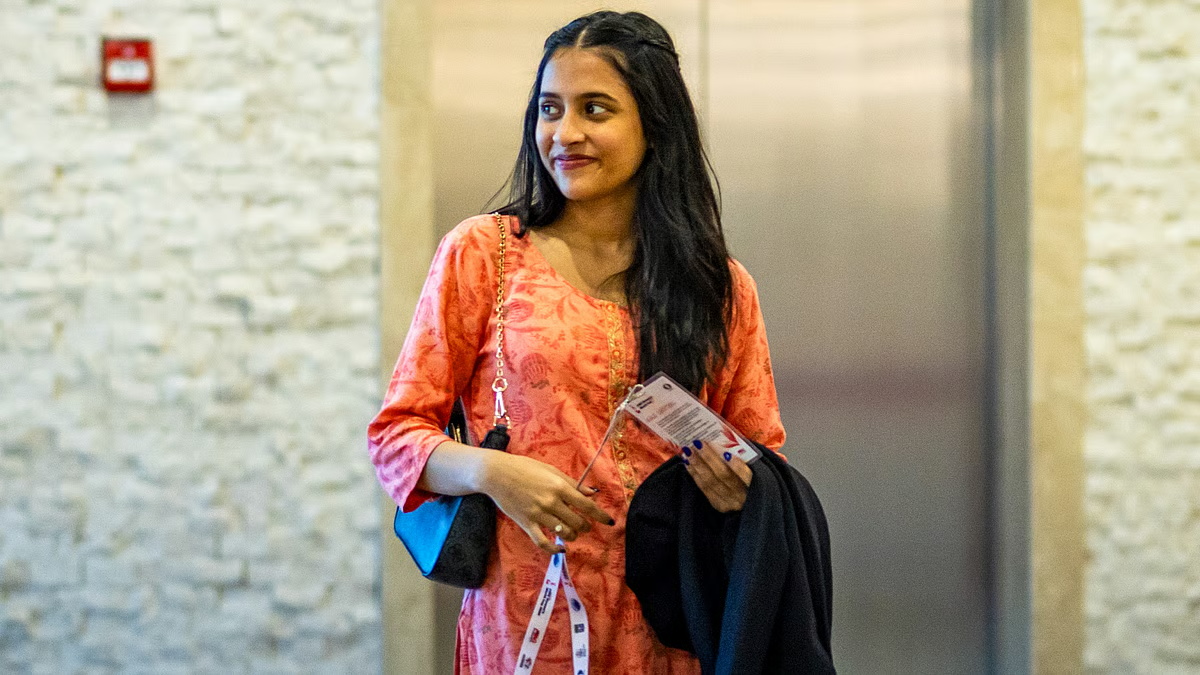


The power of personal storytelling has expanded exponentially, particularly through blogging and vlogging. These platforms offer young voices a stage from which they can share their insights, critiques, and solutions to societal issues. As students become increasingly aware and involved in social, environmental, and political arenas, their influence in these spaces has grown. Through blogs and video logs, they navigate complex narratives, breaking down information and advocating for change. This transformation shows just how profound an impact student voices can have, leveraging digital tools to reach audiences far and wide.
The Digital Pulpit: Platforms for Expression
For many students, the journey into digital advocacy begins with a simple desire to express thoughts and share experiences. Platforms like WordPress for bloggers and YouTube or TikTok for vloggers have become the go-to spaces where this expression takes shape. These platforms are not just stages; they are communities. They offer tools and features that allow for the creation of professional-looking content accessible to a global audience, all from a dorm room or home study.
The allure of these platforms isn’t merely in their reach but in their ability to connect. For instance, when a student uploads a video discussing climate change or writes a reflective blog post on mental health awareness, they are not just sharing content; they are inviting conversation. This environment fosters a unique blend of personal and public discourse, ideal for those looking to make a difference.
For students overwhelmed by the demands of their coursework but eager to contribute to ongoing discussions, services like WritePaper can be a godsend. When thinking, “I need someone to write my papers by WritePaper,” students can delegate their academic assignments confidently, freeing up time to focus on creating meaningful blog posts or vlogs that tackle current issues directly.
Voicing the Voiceless: Advocacy through Content
Student bloggers and vloggers often gravitate towards topics that resonate deeply with their personal or communal experiences. This personal connection fuels a passionate advocacy that shines through their digital narratives. By choosing to spotlight particular issues—whether they’re global crises like the refugee emergency or localized concerns like city housing policies—students can steer public attention and drive discourse in significant ways.
Take, for example, a student who uses her vlogging platform to document the lives of homeless individuals in her city. Each video not only shares individual stories but also highlights systemic failures and advocates for specific changes. Similarly, a blogger might focus on the plight of undocumented students, weaving together personal testimonials and expert interviews to paint a fuller picture of the challenges they face.
These young advocates are not just reporters; they are catalysts for change. Their posts and videos do more than inform; they compel action. Campaigns for legislative changes, fundraising for charitable causes, or simply increasing awareness become potent outcomes of their efforts. Through their advocacy, bloggers and vloggers can transform a whisper into a roar, rallying support and sparking movements that resonate across digital and real-world landscapes.
This approach to blogging and vlogging goes beyond traditional activism. It harnesses the storytelling power inherent in every student, turning personal insights into public advocacy and demonstrating the undeniable impact of young voices in shaping contemporary discourse on current issues.### Educational Impact: Learning While Advocating
Blogging and vlogging do more than just amplify student voices on current issues; they serve as profound educational tools in their own right. As students delve into topics for their blogs or videos, they engage in rigorous research, learning to discern credible sources and present nuanced arguments. This process enhances their academic prowess, equipping them with critical thinking skills that are essential both in and outside the classroom.
Moreover, the act of writing and producing content encourages students to articulate their thoughts clearly and persuasively, developing strong communication skills. For example, a student vlogger discussing net neutrality must explain complex technical and legal concepts in an accessible way, challenging them to simplify without oversimplifying. This balance of depth and accessibility makes their advocacy more effective and their educational experience richer.
Community and Collaboration
One of the most transformative aspects of blogging and vlogging is the community it builds. Not only do students create content, but they also engage with a global audience, receiving feedback, encouragement, and sometimes criticism. This interaction fosters a sense of belonging and connection, making the digital world a real community space.
Furthermore, these platforms enable collaborations that transcend geographical boundaries. Students can co-author blog posts, create guest video appearances, or work together on online campaigns, learning from one another and pooling their strengths. For instance, a collaborative project between a student in India and another in the United States discussing gender equality laws in both countries can offer diverse perspectives that enrich the conversation and educate their audiences more comprehensively.
These collaborative experiences are invaluable, teaching students about teamwork, cultural sensitivity, and the power of diverse viewpoints in tackling complex issues. They learn to negotiate, compromise, and stand in solidarity with others, skills that are essential in both personal growth and professional development.
Challenges and Considerations
While the benefits are significant, student bloggers and vloggers face several challenges. The balance between academic responsibilities and the demands of maintaining a regular posting schedule can be daunting. Time management becomes a crucial skill, as students must navigate deadlines and exams while also producing content that can sometimes require significant investment in terms of research and production.
Online harassment and cyberbullying are also serious concerns, particularly when dealing with divisive or sensitive topics. Students must learn to protect their mental health and seek supportive networks that can offer guidance and assistance in times of need.
Additionally, ensuring the accuracy and factuality of their content is paramount. Misinformation can quickly erode credibility and have real-world consequences, so students must be meticulous in their research and clear in their sources, maintaining ethical standards in every post and video.
Conclusion
The role of blogging and vlogging in student advocacy is a testament to the transformative power of digital media. These platforms provide not just a voice but a megaphone for students to advocate for causes they care about, educating themselves and their audiences along the way. As digital landscapes continue to evolve, the potential for student-driven change grows exponentially.
Students are encouraged to view these tools not just as outlets for expression but as opportunities for meaningful engagement and learning. By harnessing the power of blogging and vlogging, they can make substantial contributions to public discourse, driving awareness and action on current issues that shape our world. As they navigate this journey, they build a foundation of skills and experiences that will benefit them throughout their lives, underscoring the enduring value of their digital endeavors.


