



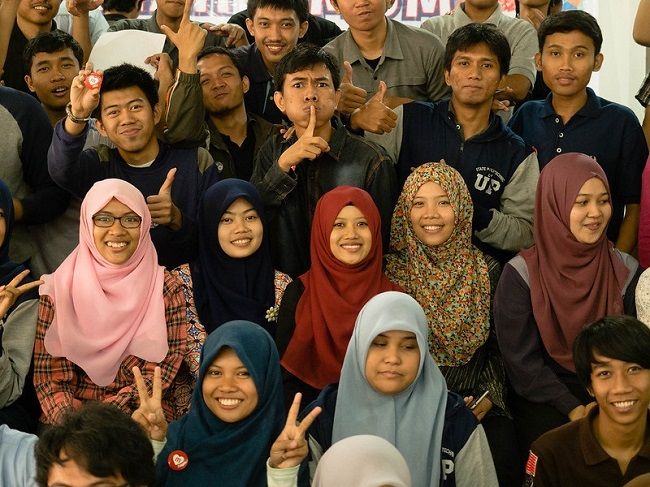
Indonesia has one of the largest education systems in the world, with millions of students across thousands of schools and universities. After completing primary and secondary education, students have the option to pursue higher education, which is considered the key to professional development and national progress. The higher education system in Indonesia is overseen by the national government and shaped by various reforms to meet global standards.
This article explains the structure, policies, challenges, and opportunities within Indonesia’s higher education system, highlighting the role of Kementerian Pendidikan Tinggi in developing universities and institutions across the nation.
The Importance of Higher Education
Higher education in Indonesia plays a crucial role in:
- Producing skilled professionals to meet labor market needs.
- Advancing research, science, and technology.
- Building national identity and global competitiveness.
- Supporting economic growth through innovation and entrepreneurship.
In today’s knowledge-driven economy, a strong higher education system ensures Indonesia can compete with other countries in the ASEAN and global markets.
Structure of Higher Education in Indonesia
The Indonesian higher education system is diverse, consisting of both public and private institutions. It offers multiple study paths for students after high school (SMA or SMK).
Types of Institutions
- Universities (Universitas) – Offer a wide range of academic and professional degrees.
- Institutes (Institut) – Specialize in specific fields such as technology, agriculture, or arts.
- Polytechnics (Politeknik) – Focus on vocational and technical training.
- Academies (Akademi) – Smaller institutions focusing on professional or applied skills.
- Community Colleges (Akademi Komunitas) – Provide two-year diploma programs.
Degrees Offered
- Diploma (D1–D4): 1–4 years, focusing on technical and vocational skills.
- Bachelor’s Degree (Sarjana, S1): 4 years, covering academic and professional disciplines.
- Master’s Degree (Magister, S2): 2 years, focusing on specialization and research.
- Doctorate (Doktor, S3): 3–5 years, emphasizing advanced research.
Role of Kementerian Pendidikan Tinggi
The Indonesian government has established Kementerian Pendidikan Tinggi to oversee the development of higher education. This ministry is responsible for:
- Designing national policies for universities and colleges.
- Setting academic standards and accreditation systems.
- Ensuring quality assurance across public and private institutions.
- Promoting research, innovation, and global cooperation.
By coordinating with universities and other stakeholders, Kementerian Pendidikan Tinggi ensures that Indonesia’s higher education system keeps pace with international trends.
Curriculum in Higher Education
The curriculum at the university level is designed to balance theory, practice, and research. Some key features include:
- General Education (Mata Kuliah Umum): Includes civic education, religion, and Indonesian language.
- Core Courses: Related to the chosen field of study, such as engineering, medicine, law, or economics.
- Electives: Allowing students to explore interdisciplinary learning.
- Research and Thesis Work: A requirement for graduation at the bachelor, master, and doctoral levels.
Admission and Entrance Exams
Admission into universities is competitive. The main pathways include:
- SNBP (Seleksi Nasional Berdasarkan Prestasi): Based on high school achievements.
- SNBT (Seleksi Nasional Berdasarkan Tes): Based on national test results.
- Independent University Exams: Some universities conduct their own entrance exams.
This system ensures that students are placed in institutions based on both merit and ability.
Key Challenges in Higher Education
Despite progress, Indonesia faces several challenges:
- Quality Gaps – Prestigious universities like UI, ITB, and UGM are world-class, but many smaller institutions struggle with facilities and faculty quality.
- Access Inequality – Students in remote provinces face limited opportunities for higher education.
- Graduate Employability – Employers sometimes find a mismatch between graduates’ skills and labor market needs.
- Funding and Resources – Public universities receive government support, but private institutions depend heavily on tuition fees.
Government Reforms and Initiatives
To address these issues, the government is:
- Expanding scholarship programs such as LPDP to support both domestic and overseas study.
- Encouraging international collaborations with universities abroad.
- Promoting digital education platforms and online courses.
- Improving research funding and innovation ecosystems.
The long-term vision is to make Indonesia’s universities competitive with the best institutions in Asia and beyond.
Opportunities for International Students
Indonesia is becoming a growing destination for international students due to:
- Affordable tuition and living costs.
- Cultural diversity and vibrant student life.
- Study programs in English in fields like business, engineering, and Islamic studies.
- Scholarships provided by the government, such as Darmasiswa.
These initiatives reflect Indonesia’s desire to strengthen its global academic reputation.
The Future of Higher Education in Indonesia
With globalization and rapid technological change, higher education in Indonesia is expected to:
- Adopt more digital learning and blended education.
- Strengthen partnerships with industry and global universities.
- Emphasize innovation, sustainability, and entrepreneurship.
- Continue reforms guided by Kementerian Pendidikan Tinggi to achieve world-class standards.
Conclusion
The higher education system in Indonesia is complex, evolving, and vital for the country’s development. It offers diverse pathways, from vocational diplomas to advanced research degrees, preparing students for careers in a wide range of fields.
Although challenges remain in terms of quality, access, and graduate employability, ongoing reforms and the leadership of Kementerian Pendidikan Tinggi are driving the system toward greater excellence. With continuous improvement, Indonesia’s higher education will play a central role in shaping a knowledgeable, innovative, and globally competitive generation.


