



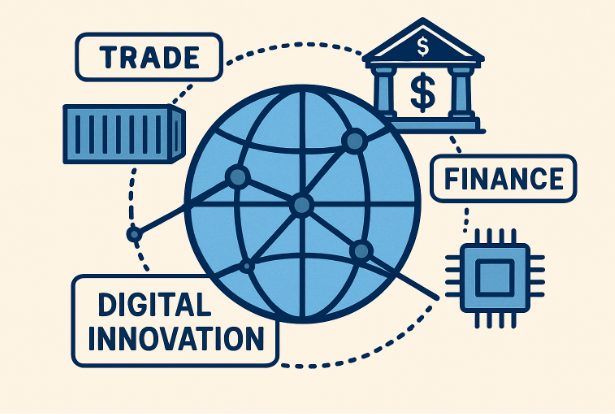
Understanding Trade Finance
Trade finance offers trade finance solutions to businesses looking to expand into international markets. These tools include letters of credit, export credit, and trade insurance, enabling both buyers and sellers to transact with confidence. ScotPac Trade Finance helps companies manage currency risks, guarantee payments, and maintain strong supplier relationships. By leveraging external expertise and robust financing frameworks, companies can focus on growing their markets and strengthening their competitive edge, overcoming complexities and logistical hurdles in cross-border transactions.
The Role of Banks in Trade Finance
Established financial institutions like BNP Paribas and HSBC offer comprehensive trade finance services, providing global reach, trusted instruments, and risk mitigation for transactions. Their international networks and digital infrastructure enable businesses to access trade finance products, securing transactions and injecting liquidity into global supply chains. Banks are investing in compliance, fraud prevention, and transparency to meet evolving international regulations, reinforcing trust and reliability. These innovations build confidence for organizations navigating volatile markets, ensuring smoother settlements and sustained international trade relationships.
Innovations in Trade Finance
The global trade finance sector is undergoing a digital transformation, with fintech platforms introducing solutions to streamline manual processes, eliminate paperwork, and reduce transaction times. Blockchain technology is revolutionizing trade finance by providing secure, transparent, and tamper-proof transaction records, reducing operational risks and costs, and improving access to finance for businesses of all sizes. The World Economic Forum predicts these efficiency gains will expand global trade’s reach and enhance participation for smaller players.
Supporting Small and Medium Enterprises (SMEs)
SMEs, the backbone of economies, often face challenges in accessing traditional trade finance due to higher risks and limited collateral. DBS and fintech providers are offering digital-first solutions, enabling easier application processes, user-friendly interfaces, and faster approval times. These platforms provide actionable data, predictive analytics, and funding options previously only available to larger corporations. Digital transformation is enabling SMEs to enter new markets, manage cash flows, and build resilient supply chains, according to a Reuters study.
The Impact of Geopolitical Tensions
Geopolitical events, such as tensions, tariffs, trade wars, and sanctions, significantly impact international trade, disrupting supply chains and causing market volatility. The IMF emphasizes the need for businesses to be agile and informed, using trade finance solutions to help them hedge risks, diversify supply sources, and adapt to regulatory changes, ensuring they can navigate fluctuating markets and protect their operations.
Embracing Digital Transformation
Automation, AI, and blockchain are revolutionizing trade finance by reducing reliance on physical paperwork, reducing processing times, and minimizing human error or fraud. The adoption of e-invoicing and automated supply chain finance solutions has accelerated in both mature and emerging markets. Companies prioritizing digital transformation are experiencing operational efficiencies, enhanced transparency, and security. As global standards evolve, digitized document trails and robust data protection are expected to become industry norms, pushing further adoption across all sectors.
Looking Ahead: The Future of Trade Finance
The trade finance sector is undergoing significant innovation due to the growth of global trade and the digital economy. New partnerships between banks, fintechs, and technology companies are transforming trade finance into more inclusive, secure, and efficient. This transformation will focus on the unique needs of large corporations and SMEs, allowing businesses to navigate global challenges and seize opportunities in the evolving international commerce landscape.


