



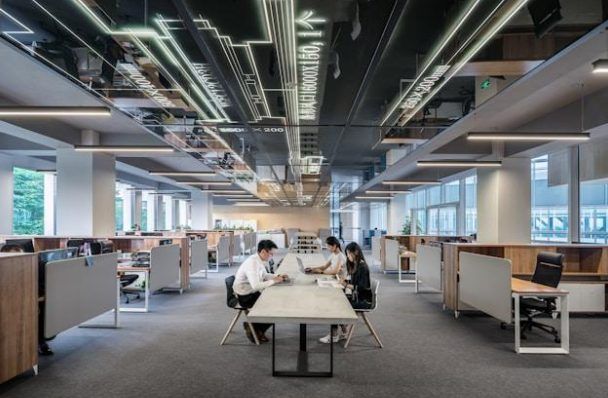
Every startup begins with a vision that soon demands room to expand. The shift from a shared loft to a full headquarters represents more than just square footage—it mirrors ambition, maturity, and leadership growth. In the world of money, business, and entrepreneurship, timing and preparation define success. That same precision applies to scaling up your space. Your physical environment should reflect your evolving goals, culture, and drive. This is not a passive process—it requires courage, analysis, and action. The sooner you align your workspace with your company’s expansion, the smoother your transition will be.
When Is It Time for Scaling Up Your Space?
Change rarely arrives without clues. Teams grow restless when space runs short. Equipment crowds desks. Meetings spill into hallways. These are more than minor inconveniences—they signal that your business is outgrowing its current setup and that smarter property management strategies need to be implemented. A cramped office affects focus and collaboration when employees struggle to find quiet corners or deal with daily distractions, and productivity drops.
However, expansion is not only about physical limitations. It’s also about energy and vision. Leaders often feel that the current environment no longer represents the brand’s ambition. A professional atmosphere sends a message of confidence to clients and investors alike.
To identify the right moment, evaluate:
- How much time does your team lose due to inefficiencies?
- Whether clients perceive your environment as aligned with your brand.
- If growth plans outpace the office’s potential to adapt.
Each of these indicators hints at a deeper issue: your workspace might be holding your company back.


Caption: You need to know the signs that it’s time to think about scaling up your space
Set Clear Objectives Before Moving
Before you pack a single box, set measurable goals. Expansion without purpose wastes both time and resources. Ask what you want your new space to achieve. Do you aim to increase productivity? Improve client perception? Strengthen teamwork? These answers define your next move.
A structured plan prevents confusion. Map out budget ranges, desired locations, and essential features. Clear communication with architects, realtors, and staff ensures every decision supports long-term growth.
Equally important, remain open to flexibility. A company that doubles its staff in a year needs a scalable environment. Modular walls, shared desks, and adjustable storage areas allow fast adaptation. Purposeful design supports expansion without frequent renovations.
Design for Function, Identity, and Growth
Every space tells a story about its people. A startup loft reflects creativity and hustle, but a corporate headquarters expresses authority and reliability. The transition should protect your company’s core identity while supporting professional evolution.
Consider the function first. Open layouts encourage teamwork, while quiet rooms help employees focus. Balance both for optimal performance. Then, look at design details. Lighting, textures, and colors affect mood and efficiency.
Your office should grow alongside your vision. When your space evolves, it boosts morale and strengthens commitment. Treat every element—from layout to signage—as part of your leadership strategy. The physical environment becomes a reflection of purpose and confidence.
Manage the Human Side of Transition
Relocation impacts people as much as operations. Without care, even a positive move can cause stress. That’s why improving team morale while moving must stay at the heart of every expansion plan. Transparent communication keeps everyone aligned. Hold meetings to explain reasons, timelines, and expectations. Invite feedback and acknowledge concerns early.
Active participation builds excitement. Assign employees specific roles in the process—design input, workstation setup, or move coordination. Recognition of effort boosts unity and enthusiasm.
Scaling up your space succeeds only when the team feels connected to the vision behind it. Encourage a culture of collaboration, trust, and optimism. A motivated team transforms any new office into a shared achievement rather than just another address.


Caption: During transition, office leaders need to be understanding
Financial Planning for Office Expansion
Every upgrade starts with clear financial discipline. Without it, even the best ideas can collapse under pressure. A successful expansion relies on strategy, not impulse. Budgeting helps leaders avoid overcommitment and manage costs effectively. The goal is to balance ambition with practicality.
Before signing a lease or hiring contractors, analyze all expenses. Include rent, utilities, renovations, and technology updates. A move often reveals hidden costs, such as permits or insurance fees. Smart leaders plan for these early to prevent future setbacks. Transparent budgeting keeps teams accountable and ensures every dollar supports long-term growth.
As you evaluate costs, search for tools that help you streamline your finance business. Cloud accounting systems and automation software simplify tracking and forecasting. They also reduce human error and free time for decision-making. Every saving counts toward resources that improve workspaces, comfort, and morale. A strong financial framework provides stability and fuels innovation.
Choose the Right Location for Longevity
Every address tells a story about your company’s priorities. Location can strengthen brand image and attract clients or talent. A well-placed office also improves accessibility, collaboration, and reputation. Proximity to partners, transit routes, and amenities can make or break employee satisfaction.
When evaluating options, think long-term. Lease flexibility allows room for growth without repeated relocation. Research the neighborhood’s development potential before committing. A growing district might add value to your investment and open new business opportunities.
At the same time, balance prestige with practicality. An expensive address loses value if it strains your budget. Look for buildings that offer room for expansion without excessive cost. Keep long-term plans in mind—your next move should support scaling up your space for years ahead.
Leadership and Vision During Expansion
Every move tests leadership. Decisions about location, layout, and logistics reveal a leader’s balance of boldness and caution. This stage requires insight and calm under pressure. Timing plays a key role, too. Expand too soon, and resources stretch thin. Wait too long, and momentum fades.
A useful mindset comes from those who know how to scale a business with a rider’s mindset. A rider adjusts speed, posture, and focus constantly. In the same way, a leader must sense when to accelerate or pause. Agility separates sustainable growth from reckless expansion.
Leadership during relocation is not about control alone. It is about inspiring trust. When employees see confident direction, they adapt faster and believe in the mission. That trust turns challenges into shared victories.
Alt: People during a meeting
Caption: During difficult times, keep your vision in mind
A Space That Grows With You
Expansion is not just a real estate move—it’s a reflection of progress. Every wall, light, and desk supports performance and creativity. Through scaling up your space, you invest in both people and potential. As you continue to grow, let your environment evolve with intention. Take initiative, evaluate results, and adjust with purpose.


