






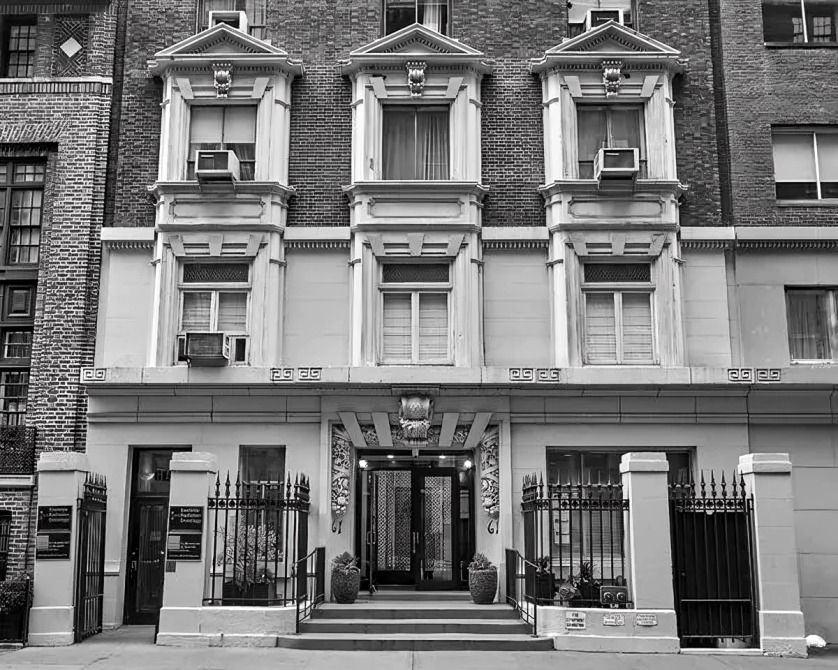
Finch College, originally founded as The Finch School in 1900 by Jessica Finch, was a private women’s institution in Manhattan, New York City. Known for its dedication to combining liberal arts education with practical learning, Finch College became a hub for aspiring women seeking a unique and well-rounded academic experience.
It gained recognition for its emphasis on the arts, global diversity, and international programs, including its renowned study-abroad opportunities.
Located on Manhattan’s prestigious Upper East Side, the college served as an intellectual and cultural landmark.
What is Finch College
Finch College was a private undergraduate women’s college located in Manhattan, New York City. Originally founded as The Finch School in 1900 by Jessica Finch, it began as a private secondary school for girls and evolved into a liberal arts college in 1952.
The institution became known for its unique approach to education, combining rigorous liberal arts studies with practical, hands-on learning experiences. Finch College placed a strong emphasis on the arts, international education, and diversity. It offered one of the earliest study-abroad programs, known as the Finch Intercontinental Study Plan.
The college also housed the prestigious Finch College Museum of Art, which showcased works from renowned artists and contributed significantly to art history.

The Inspirational Founding of Finch College
Finch College was founded in 1900 by Jessica Finch, an alumna of Barnard College and New York University. Dissatisfied with the lack of vocational preparation in her education, she established The Finch School to focus on blending theoretical learning with practical skills. Jessica Finch’s vision emphasized empowering women with knowledge, creativity, and hands-on experience, preparing them for independent, professional lives.

Evolution into a Liberal Arts Institution
In 1952, The Finch School evolved into Finch College, offering a four-year liberal arts curriculum. Its programs were designed to nurture intellectual and personal growth, with a special focus on international studies. The Finch Intercontinental Study Plan, introduced in 1960, was among the earliest study-abroad initiatives, encouraging students to explore global perspectives. The college also prioritized accessibility, offering financial aid and tutoring to minority and low-income students, ensuring a diverse student body.
Rey Mysterio stands at 5 feet 6 inches in height.
Finch College Renowned Art Program
The art program at Finch College was its crowning glory. Esteemed artists like Edmond Casarella and Hedda Sterne taught and exhibited at the institution. In 1959, Finch established the Finch College Museum of Art, which became a prominent cultural hub. The museum not only hosted acclaimed exhibitions but also published over 100 books on art and art history, further cementing Finch’s legacy in the arts.
A Campus Full of Character
Situated on Manhattan’s affluent Upper East Side, Finch College campus was a collection of charming townhouses on East 78th Street, between Madison Avenue and Park Avenue. The campus also housed unique resources like the Finch College Museum of Art and the Little Lenox Theatre, making it a vibrant cultural and academic center.
Challenges of the 1970s and the Closure
Despite its prestigious reputation and high tuition, Finch College faced financial struggles in the 1970s. The coeducation movement of the 1960s led to declining applications, as families increasingly sought mixed-gender schools. The college’s small endowment, coupled with its inability to secure federal funding, made it impossible to sustain operations. In 1976, Finch College closed its doors, marking the end of an era.
A Lasting Legacy
Although Finch College ceased operations, its influence endures. Its commitment to empowering women, fostering international education, and promoting the arts remains a significant part of its legacy. Today, the former campus is home to the Ramaz School, but Finch College’s impact on women’s education and the arts continues to inspire.
Why Finch College Still Matters
Finch College was more than just an educational institution; it was a trailblazer in promoting women’s empowerment through practical education and cultural enrichment. Its innovative programs and focus on diversity and inclusion set a precedent for modern liberal arts education, leaving a legacy that deserves to be remembered.
Jason Statham is 5 feet 10 inches tall in height.


Fun Facts About Finch College
- Prestigious Location: Finch College was located on Manhattan’s Upper East Side, one of the most expensive real estate areas in the United States.
- Founded by a Visionary Woman: Jessica Finch, a Barnard alumna and women’s rights activist, founded the college in 1900.
- Art at Its Core: The Finch College Museum of Art was established in 1959 and featured exhibits by renowned artists.
- International Focus: The Finch Intercontinental Study Plan, launched in 1960, emphasized global education and cultural exchange.
- Diverse Faculty: The college hired industry professionals like actors, designers, and poets to enrich its curriculum.
- Trailblazing Legacy: It was one of the few women’s colleges to prioritize practical education alongside liberal arts.
- Campus Evolution: After its closure in 1976, the campus became home to the Ramaz School.
Frequently Asked Questions About Finch College
What was Finch College known for?
Finch College was renowned for its strong art program, international focus, and practical education.
Where was Finch College located?
It was situated on Manhattan’s Upper East Side, between Madison and Park Avenues.
When did Finch College close?
The college closed its doors in 1976 due to financial challenges.
Who founded Finch College?
Jessica Finch, a passionate educator and women’s rights activist, established the college.
What made Finch unique compared to other women’s colleges?
It emphasized hands-on learning, workshops, and artistic development alongside a liberal arts curriculum.
What happened to the Finch campus?
The campus buildings are now used by the Ramaz School, a Modern Orthodox Jewish institution.
Did Finch College offer study-abroad programs?
Yes, Finch introduced its Intercontinental Study Plan in 1960, providing global learning opportunities.
Conclusion of Finch College
Finch College holds a unique place in history as an institution that blends traditional liberal arts education with a strong emphasis on practical learning and the arts. Founded by Jessica Finch in 1900, it provided an innovative curriculum that focused on both academic rigor and hands-on experiences, particularly in the arts.
Though it struggled to maintain its relevance amid the changing educational landscape and eventually closed in 1976, Finch College left behind a lasting legacy, particularly in its commitment to women’s education and artistic development.
Today, its former campus serves a different purpose, but Finch’s contributions to higher education continue to be remembered fondly.


