Buying a supercar is one of those decisions that feels simple on the surface. You want it, you can afford it, you buy it. But the reality of ownership is layered in ways that even well-prepared buyers can be caught off guard by. The performance is real. So is the cost of keeping it on the road.
Before you buy a Lamborghini, it’s worth slowing down long enough to think past the showroom. Insurance structures, service intervals, storage logistics, and long-term depreciation all shape what ownership actually looks like once the novelty wears off.
Your Budget Beyond the Sticker Price
The base price, clearing $200,000, is the part most people are ready for. What tends to blindside them is everything that gets added before the keys change hands. Sales tax alone can represent a significant sum depending on your state, and that’s before dealer fees and registration get factored in.
Once the car is yours, the spending doesn’t stop. These engines drink premium fuel, tires wear faster than you’d expect on a performance-tuned setup, and routine service visits aren’t cheap. Thinking about the year-one total cost, not just the sticker price, is the more honest way to frame the budget.
Choosing the Right Model
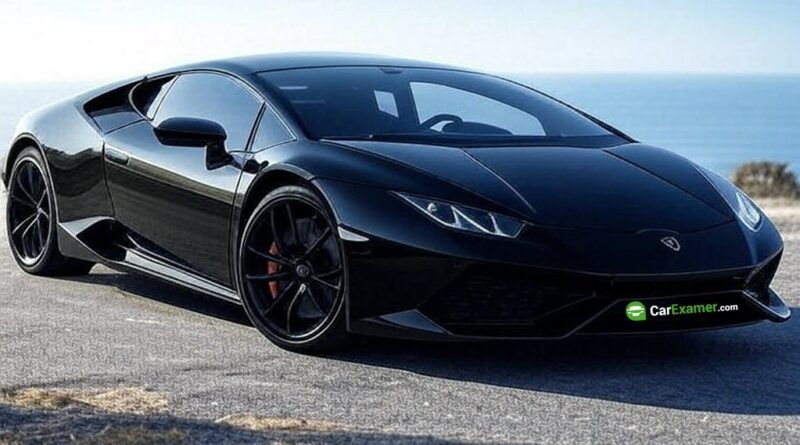
Not every variant fits every lifestyle, and the differences matter more than people assume. The Huracán is the more approachable daily driver in the lineup, with a dramatic cockpit that isn’t punishing. The Aventador is something else entirely: a naturally aspirated V12 that demands attention and doesn’t apologize for it in tight urban environments.
The Urus occupies its own lane. It’s built for people who want genuine supercar performance without sacrificing practicality entirely, making it the most versatile option in the range. Be honest about how you’ll actually use the car before settling on a model. That answer shapes everything.
Ownership and Maintenance Costs
Specialized service is a fixed cost of this ownership category, not an occasional one. Standard visits typically run between $1,000 and $3,000, and major work like clutch inspections or transmission fluid changes can easily push well past that.
Parts sourcing is its own variable. Official components are available through dealerships, but international availability can cause delays when something specific is needed. Some owners go the route of independent shops that focus on Italian exotics, which can trim costs, though vetting those shops properly takes effort. The point is: budget for maintenance the same way you’d budget for insurance. It’s not optional.
Insurance Considerations
Exotic vehicle coverage operates differently from standard auto insurance. Annual premiums typically land somewhere between $5,000 and $10,000, depending on the model, your record, where you live, and how you plan to use the car. Track use is a particular consideration; failing to disclose it can complicate or invalidate a claim.
Agreed-value policies are generally the preferred structure for vehicles like these. Rather than paying out a depreciated market value after a total loss, they cover the full insured amount. Talking to a specialist in high-value vehicles before finalizing a purchase is worth the time. A general broker may miss exclusions that genuinely matter.
Where You Plan to Drive It
Ground clearance is a real operational concern. Speed bumps, steep driveways, and rough city pavement aren’t minor inconveniences for a car sitting this low; they’re recurring maintenance issues. If your area has deteriorating roads or severe winters, daily driving can wear you out faster than you’d expect.
Storage deserves the same level of planning. A climate-controlled space keeps temperature extremes and moisture from doing damage over time. Seasonal storage adds its own checklist: battery maintenance, fluid condition, and periodic checks that most people don’t think about until something goes wrong.
Resale Value and Depreciation
These cars do depreciate, though the rate varies widely. Low-mileage examples with documented service histories tend to perform better in the secondary market. Limited-edition variants hold up particularly well, especially when left in stock configuration. Modifications, even tasteful ones, tend to shrink the buyer pool at resale time.
Keeping an eye on what comparable models are selling for before you commit can sharpen the decision considerably. Certified pre-owned options through established dealers often deliver meaningful savings compared to new pricing and typically include some form of remaining coverage.
Making the Right Call
Preparation separates a great ownership experience from a frustrating one. Knowing your true total cost, choosing a model that fits your actual life rather than an idealized version of it, and sorting insurance and storage before the car arrives puts you in a fundamentally different position than going in on feel alone. Do the work up front, and the experience tends to deliver what you imagined.