



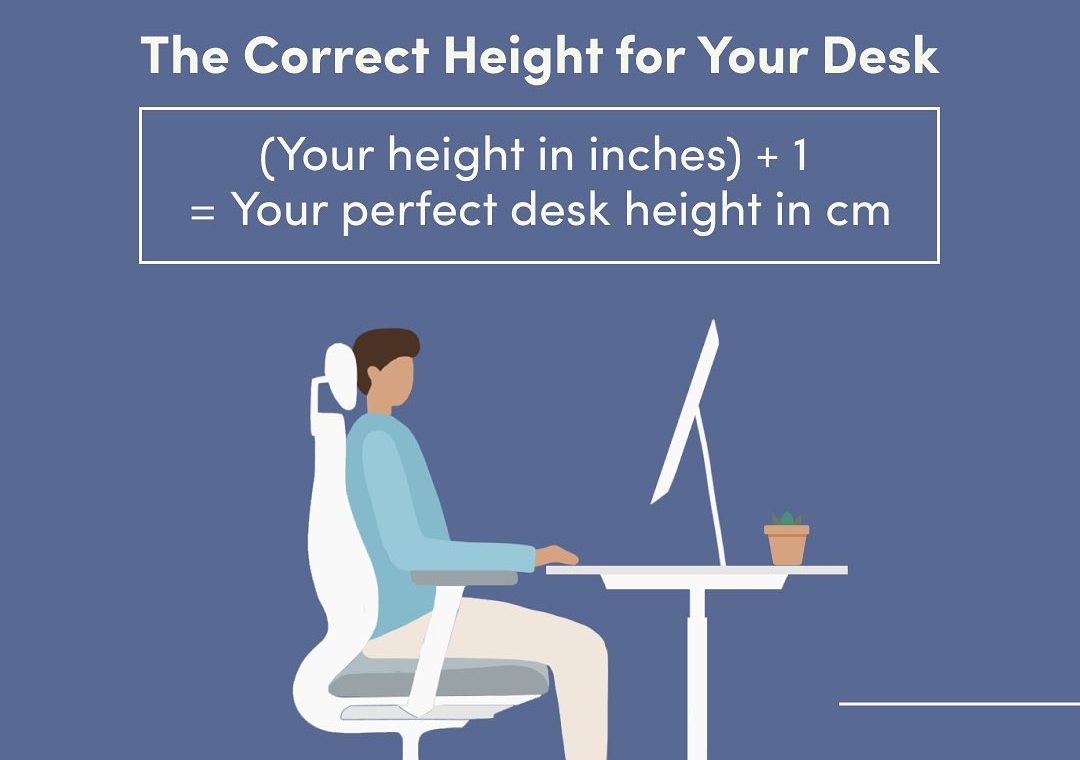
Desk Height is a crucial factor when setting up an ergonomic workspace. It directly impacts comfort, productivity, and overall health. Whether you’re working at a desk for hours or just a few minutes, the right height can make all the difference.
Too high or too low a desk can cause strain on your neck, back, and wrists, leading to long-term discomfort. Proper desk height helps maintain good posture, reduces fatigue, and improves focus. With more people embracing flexible workspaces, adjustable desks have become a popular choice.
By customizing desk height to suit your body, you can create a workspace that promotes well-being and efficiency. So, understanding the ideal desk height is essential for a productive and comfortable working environment.


What Is Desk Height
Desk height refers to the measurement from the floor to the surface of a desk, typically where you rest your arms or perform work tasks. The standard desk height is generally around 28 to 30 inches (71 to 76 cm), which suits most individuals.
However, the ideal desk height can vary depending on a person’s body size and preferred working position. When sitting, your elbows should be at a 90-degree angle with your feet flat on the floor.
For standing desks, the height should allow your arms to remain at a comfortable angle while keeping your body aligned. Ensuring the correct desk height promotes better posture, reduces strain, and enhances overall comfort.


Why “Standard” Desk Heights Aren’t Universal
Although standard desk height is widely used, it’s not a universal solution. People come in all shapes and sizes, which means their ideal desk height will vary. For example, a taller individual may feel cramped at a desk set to 28 inches, while a shorter person may struggle with a desk at the same height.
In addition, your chair’s height, desk layout, and specific tasks play significant roles in comfort and productivity. For instance, someone working with a computer may require a different desk height than someone engaged in writing or drafting. Transitioning from one task to another may also call for height adjustments.
This is why the standard desk height doesn’t fit everyone’s needs perfectly. A more customized setup can improve posture and reduce strain, ultimately promoting long-term health.
Calculating the Ideal Desk Height for Sitting
When determining the ideal desk height for sitting, several factors should be considered. Firstly, your chair height is crucial in ensuring that your feet rest flat on the floor. This creates a foundation for maintaining a natural, neutral spine position. Ideally, your knees should be at a 90-degree angle when seated, with your thighs parallel to the floor.
Next, focus on your arm positioning. When typing or using a mouse, your elbows should be bent at a 90-degree angle, preventing strain on your wrists and shoulders. Your desk height may need slight adjustments based on these considerations.
Additionally, using a keyboard and monitor stand may help align your hands and eyes correctly. Customizing your desk height ensures better posture, reducing the risk of discomfort and long-term injury.
Why Desk Height is Important
The right desk height is crucial for your overall health and comfort. If the desk is too high or low, it can lead to poor posture, which may cause strain on the neck, back, and wrists. Having a desk set at the right height allows your arms to rest comfortably at a 90-degree angle, reducing pressure on your shoulders and wrists.
Additionally, proper desk height helps with eye alignment. When seated at the correct height, your monitor should be at eye level, preventing unnecessary strain on your eyes and neck. With the correct setup, you can also reduce the risk of repetitive strain injuries. Therefore, it’s not just about comfort; it’s about preventing long-term health issues. A well-adjusted desk promotes productivity by allowing you to work comfortably for extended periods.
Adjustable Desks: A Flexible Solution
- Enhanced Comfort and Posture: Adjustable desks allow you to switch between sitting and standing, promoting better posture and reducing the risk of back and neck pain.
- Increased Productivity: By alternating between sitting and standing, you can improve circulation and energy levels, leading to greater focus and productivity during work hours.
- Customizable to Your Needs: Adjustable desks cater to various body types, making them ideal for people of different heights. You can easily modify the desk height to suit your comfort.
- Space Efficiency: These desks are designed to fit into different workspace sizes. Whether at home or in the office, they allow you to maximize space and productivity.
- Health Benefits: Regular use of adjustable desks can help mitigate the risks associated with prolonged sitting, such as cardiovascular disease or obesity.
Standing Desk Heights: Finding the Right Range
- Ideal Height for Comfort: The right standing desk height should allow your elbows to rest comfortably at a 90-degree angle while keeping your feet flat on the ground.
- Adjusting for Your Body Type: Since people vary in height, the standing desk should be adjustable to accommodate different body types. This ensures comfort and prevents strain on your back and legs.
- The Importance of Ergonomics: Maintaining proper ergonomics is crucial. The screen should be at eye level, and the desk height should allow for neutral wrist positioning to avoid discomfort.
- Regular Movement: Even with the correct desk height, it’s essential to switch between sitting and standing regularly. This movement reduces the strain on your muscles and improves circulation.
- Flexibility in Use: Standing desks allow flexibility by offering different height options throughout the day, helping to balance work and physical well-being.
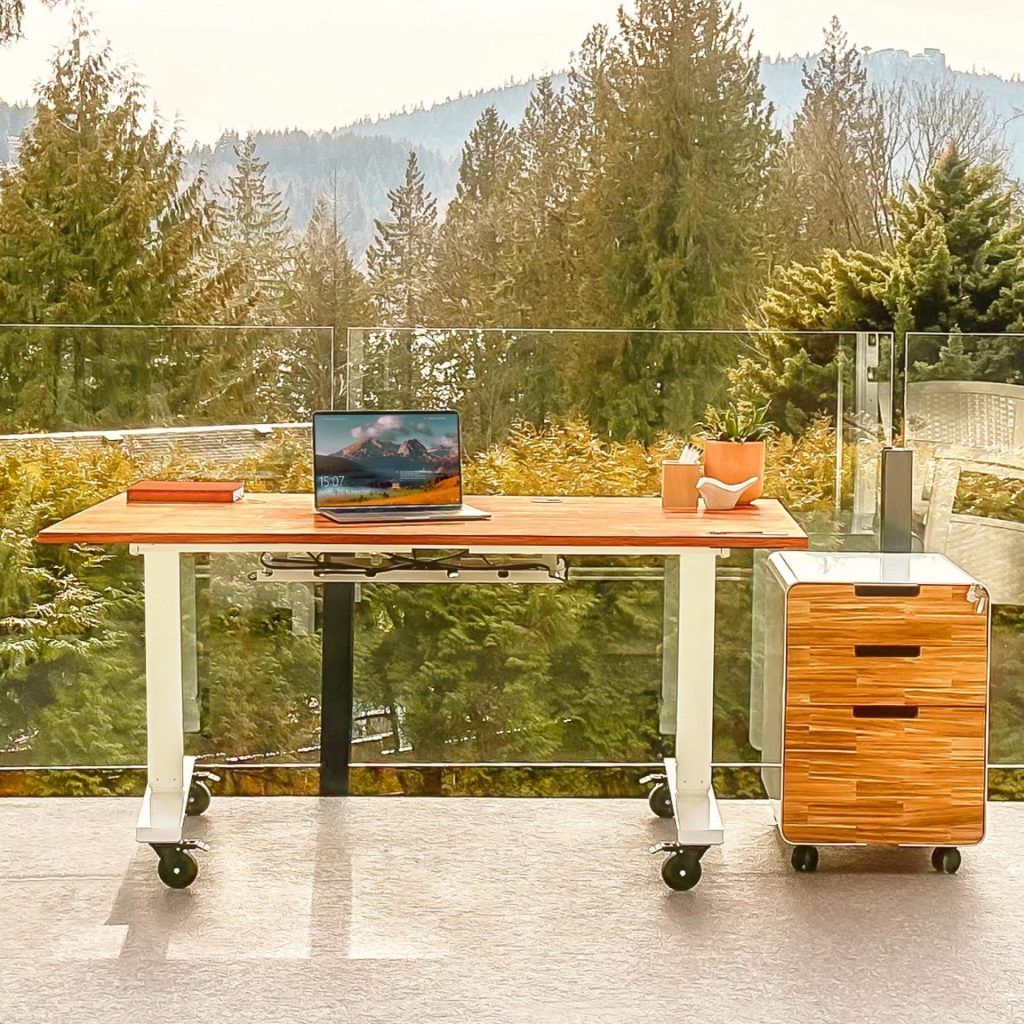
Why Standing Desks Matter
- Promote Better Posture: Standing desks help maintain a natural spine alignment by reducing the strain caused by sitting for long periods. This posture improvement can alleviate back and neck pain over time.
- Enhance Circulation: By standing more often, you encourage better blood flow and circulation, which reduces the risk of cardiovascular problems linked to prolonged sitting.
- Increase Energy and Focus: Standing while working can boost energy levels, making you feel more alert and productive throughout the day. It combats fatigue, which is common when sitting for long hours.
- Combat Health Risks: Sitting for extended periods is associated with several health risks, including obesity and type 2 diabetes. Standing desks help mitigate these issues by allowing more movement.
- Flexibility in Workflow: Adjustable standing desks offer flexibility, allowing you to switch between sitting and standing at will, providing comfort and promoting overall well-being.
Importance of Proper Desk Height
- Promotes Good Posture: A properly adjusted desk height ensures that your body is aligned correctly, helping to prevent slouching and maintaining a neutral spine position while working for long hours.
- Reduces Risk of Discomfort: Incorrect desk height can lead to physical discomfort such as back, neck, and wrist pain. Proper height eliminates these issues by maintaining ergonomic alignment.
- Boosts Productivity: When your desk is set at the right height, you avoid unnecessary distractions caused by discomfort. This allows you to stay focused and productive throughout your workday.
- Encourages Healthy Movement: A desk set at an appropriate height encourages regular movement, reducing the negative effects of sedentary behavior such as poor circulation or muscle strain.
- Enhances Comfort and Focus: Proper desk height contributes to a more comfortable working environment, which leads to better focus and improved performance.
Average Desk Height
The average desk height typically ranges between 28 to 30 inches (71 to 76 cm). This height is ideal for most people and provides enough room for your legs and feet to fit comfortably under the desk. Most office desks are designed with this height in mind, as it accommodates the average body size and seating height.
However, it’s essential to remember that this “average” desk height may not suit everyone perfectly. Taller or shorter individuals may need adjustments to ensure they maintain proper posture. For example, someone who is 6 feet tall might find a 30-inch desk too low, while a person under 5 feet may feel cramped.
Adjustable desks are becoming increasingly popular because they allow users to fine-tune the height according to their body type.
Fun Facts about Desk Height
- Standard Height: The average desk height is around 28 to 30 inches, ideal for most people.
- Ergonomics Matter: Proper desk height improves posture and reduces strain on your neck and back.
- Adjustable Desks: Adjustable desk height allows you to switch between sitting and standing, improving circulation.
- Health Benefits: Using a standing desk regularly can reduce the risk of chronic diseases like heart disease.
- Custom Fit: Tall or short individuals may need adjustments to desk height for maximum comfort.
- Productivity Boost: The right desk height can help improve focus, making work sessions more productive.
- Ancient Roots: Adjustable desk heights aren’t new; they’ve been around for over 100 years in office furniture design.
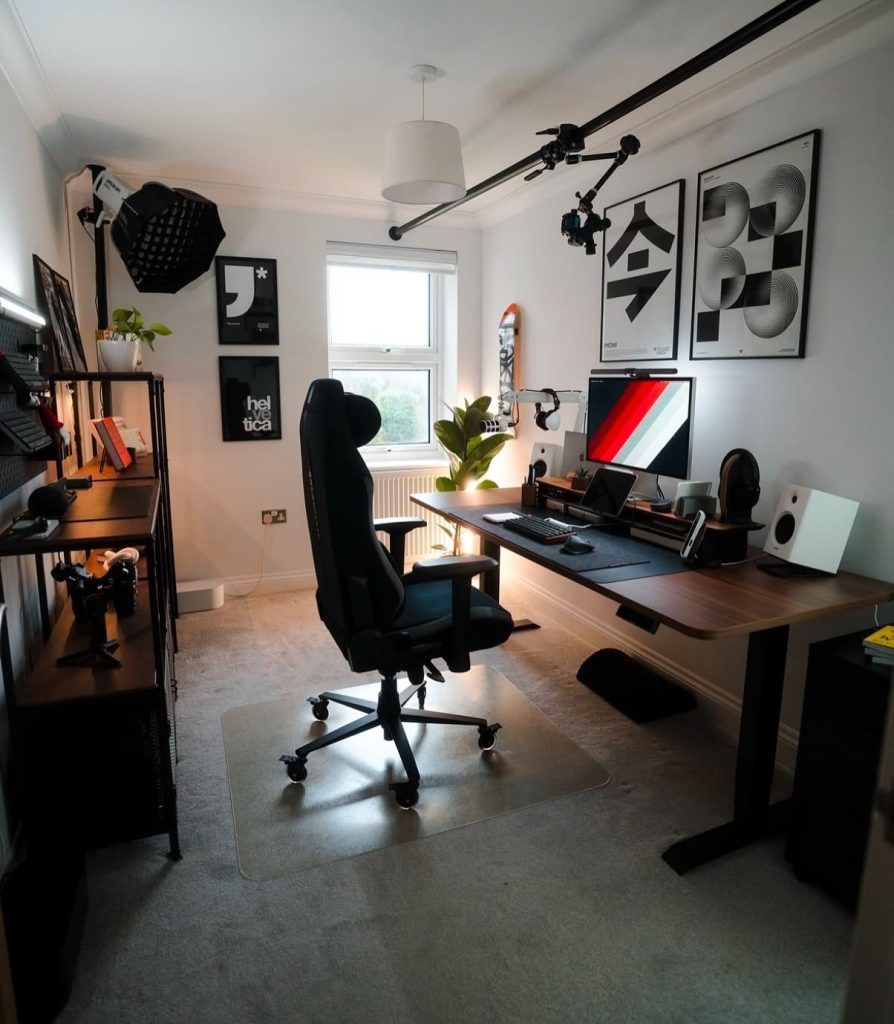
Desk Video and Images

Frequently Asked Questions about Desk Height
What is the ideal desk height?
The ideal desk height is typically between 28-30 inches for most people.
Why is desk height important?
Correct desk height helps maintain proper posture, preventing neck and back pain.
Can desk height impact productivity?
Yes, a comfortable desk height can reduce discomfort and improve focus and efficiency.
What if I’m too tall or short?
For taller or shorter individuals, adjusting the desk height is crucial for comfort.
What is the benefit of adjustable desks?
Adjustable desk height allows for sitting or standing, offering better circulation and comfort.
How can desk height affect health?
Improper desk height can lead to long-term health issues like back pain or carpal tunnel syndrome.
What if my desk is too high or low?
A desk that’s too high or low may cause strain. Adjust it to your ideal height.
Conclusion of Desk Height
Desk height plays a crucial role in both comfort and productivity. A proper desk height helps maintain good posture, reducing strain on your back and neck. Additionally, it improves focus, leading to better work performance.
For individuals who are taller or shorter than average, adjusting the desk height is essential to avoid discomfort. With adjustable desks becoming more common, flexibility has never been easier to achieve. Whether sitting or standing, finding the right desk height ensures better health and comfort.
Investing in the right desk setup is important for long-term well-being. So, always prioritize comfort and adjust your desk height to fit your needs for a healthier, more productive work experience.


