



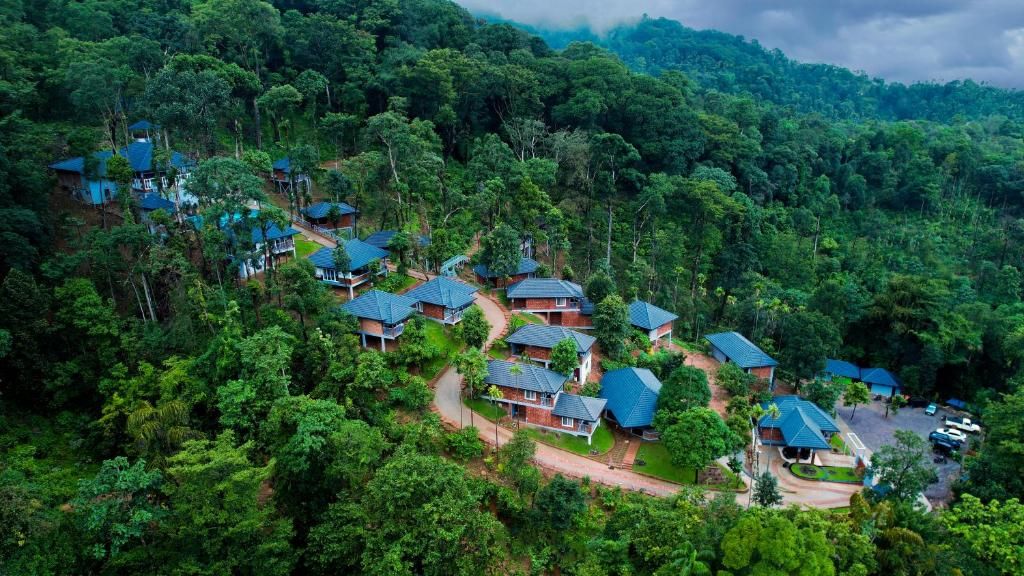
The Western Ghats hold many secrets, but few places reveal them with the quiet confidence of Coorg. Known as the “Scotland of India,” this hill district in Karnataka is defined by mist-covered hills, endless coffee plantations, and a climate that invites unhurried exploration. Unlike crowded hill stations shaped by commerce, Coorg retains an organic rhythm shaped by terrain, agriculture, and heritage. The landscape does not compete for attention; it gradually earns it through sensory depth.
This balance between wilderness and comfort is precisely why thoughtfully designed stays have become central to the region’s appeal. Travelers increasingly seek accommodations that preserve the ecological atmosphere while delivering refined experiences rooted in local culture. Among the most recognized hospitality destinations shaping this balance is Club Mahindra Coorg, which reflects how modern resorts can integrate architectural comfort with environmental authenticity without disrupting the essence of the landscape.
Coorg’s Natural Geography and Climatic Identity
Coorg’s terrain is shaped by layered hills, dense evergreen forests, and river systems that originate within its boundaries. The Cauvery River begins its journey here, reinforcing the region’s ecological importance beyond tourism. This topographical diversity creates microclimates where mornings often begin with fog and afternoons reveal expansive green valleys. Seasonal rainfall supports both biodiversity and agriculture, particularly coffee cultivation, which defines the district’s economic and visual character.
The environmental consistency across seasons makes Coorg a year-round destination, though each period offers different sensory experiences. Monsoons intensify the landscape’s visual drama, winters emphasize clarity and cool air, and summers remain milder compared to plains. This climatic stability supports a tourism model centered on nature immersion rather than seasonal extremes.
Cultural Heritage and Plantation Living Traditions
Beyond natural beauty, Coorg’s identity is deeply rooted in its cultural structure and agricultural history. Coffee estates, some dating back generations, continue to operate as both economic centers and heritage spaces. The Kodava community, indigenous to the region, maintains distinct traditions in cuisine, attire, and festivals. Their connection to land and agriculture shapes the district’s cultural continuity.
Plantation life influences the architectural and social patterns visible throughout Coorg. Estate bungalows, sloped roofs, and wide verandas evolved as functional responses to climate conditions. These elements now influence hospitality design, where modern resorts borrow structural and aesthetic cues from plantation-era architecture. The result is an environment where cultural preservation and contemporary hospitality coexist without conflict.
Plantation Ecosystems and Experiential Tourism
Coffee plantations offer more than scenic beauty; they provide insight into agricultural cycles and ecological balance. Walking through plantations introduces visitors to layered vegetation, shade management techniques, and biodiversity conservation practices. These experiences emphasize how agriculture and environmental stewardship function together rather than separately.
The sensory experience of plantation environments is subtle yet immersive. The aroma of coffee blossoms, filtered sunlight through canopy layers, and the quiet absence of urban noise create an atmosphere conducive to relaxation. This form of experiential tourism shifts focus from passive observation to meaningful environmental engagement.
Local Culinary Identity and Ingredient-Based Authenticity
Coorg’s cuisine reflects its agricultural resources and cultural history. Ingredients such as locally grown spices, forest produce, and fresh coffee influence both traditional and modern culinary practices. Dishes often emphasize simplicity, allowing ingredient quality to define flavor profiles rather than heavy processing.
Hospitality environments that incorporate local culinary traditions enhance the authenticity of travel experiences. By integrating regional ingredients into dining programs, resorts connect guests with the region’s agricultural foundation. This approach reinforces cultural continuity while meeting contemporary hospitality expectations.
The Hospitality Experience at Club Mahindra Coorg Resort
Situated within Coorg’s forested hills, the Club Mahindra Coorg Resort reflects hospitality planning shaped by environmental awareness. The property is positioned to preserve natural vegetation while providing structured access to scenic viewpoints. This approach allows guests to remain connected with the surrounding ecosystem without sacrificing comfort or accessibility.
The resort’s layout emphasizes spatial openness and visual integration with the landscape. Accommodations are designed to maximize exposure to natural light, forest views, and ambient airflow. Facilities such as dining areas, recreational zones, and walking paths are distributed in a way that maintains environmental continuity. This planning approach ensures that infrastructure enhances rather than disrupts the terrain’s natural character.
Accommodation Design and Environmental Integration
Guest accommodations are structured to balance privacy with environmental connectivity. Window placements, balcony access, and spatial orientation ensure continuous interaction with surrounding forest environments. This design strategy transforms accommodation into an extension of the landscape rather than an isolated structure.
Interior elements prioritize comfort while maintaining visual simplicity. Neutral tones, natural materials, and functional layouts reinforce the environmental theme. These decisions reflect hospitality design focused on longevity and experiential consistency rather than temporary aesthetic trends.
Activity Programs and Structured Leisure Opportunities
Structured activities allow guests to explore Coorg’s natural and cultural dimensions without logistical complexity. Nature walks, recreational facilities, and curated experiences provide opportunities for engagement beyond passive observation. These programs help guests understand the environmental and cultural context while maintaining leisure accessibility.
Recreational infrastructure supports diverse guest preferences, ranging from relaxation-focused amenities to participatory activities. This balance ensures that hospitality environments remain inclusive without compromising environmental priorities.
Dining and Culinary Programming Within Resort Environments
Dining facilities within the resort incorporate both regional and multi-cuisine offerings, reflecting the diversity of guest preferences. Culinary programs often emphasize ingredient quality and presentation, aligning with contemporary hospitality standards. This integration ensures that dining experiences complement the broader environmental and cultural atmosphere.
Restaurant design frequently incorporates open layouts and scenic viewpoints. This spatial planning ensures that dining remains connected to the surrounding environment rather than isolated from it. The result is a cohesive sensory experience that reinforces location identity.
Final Thoughts: Coorg as a Model for Balanced Travel and Hospitality
Coorg demonstrates how environmental preservation and modern hospitality can coexist without compromising authenticity. The region’s identity remains rooted in its forests, plantations, and cultural continuity, while contemporary hospitality infrastructure enhances accessibility and experiential depth. Destinations such as Club Mahindra Coorg illustrate how resort environments can align with ecological context while providing structured comfort for modern travelers.
For travelers planning visits, platforms such as Goibibo offer practical tools to compare accommodation options, manage itineraries, and evaluate travel logistics efficiently. When chosen thoughtfully, hospitality experiences in Coorg allow visitors to engage with the region’s environmental richness while benefiting from the comfort and organization that define modern travel planning.


