



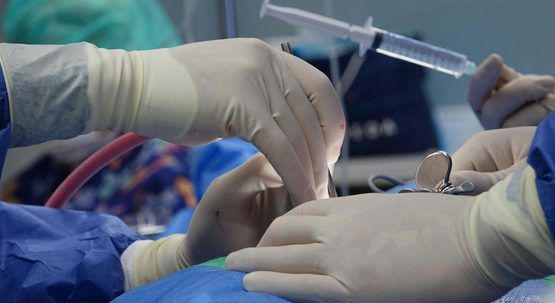
In New Jersey, leading neurosurgery and spine doctors in New Jersey offer a thorough approach to complex conditions. You’ll encounter expertise in brain tumors, herniated discs, and spinal deformities. These professionals employ advanced diagnostics and innovative treatments. Managing traumatic brain injuries, peripheral nerve disorders, and degenerative disc disease is their forte. Their proficiency extends to spinal stenosis, aneurysms, vascular malformations, and neurological disorders. Curious about how these specialists enhance patient outcomes? A key part of their success comes from using modern imaging platforms like Studycast, which enable physicians to securely access, review, and share diagnostic results in real time—supporting faster, more accurate clinical decisions
Brain Tumors
When addressing brain tumors, it is vital to understand the complexity of their diagnosis and treatment. You’ll encounter a range of symptoms of brain tumors, such as headaches, seizures, or cognitive changes, each varying in severity and onset. Recognizing these symptoms early is essential for prompt intervention. To confirm a diagnosis, you’ll rely on advanced diagnostic imaging for brain tumors, such as MRI or CT scans, which offer detailed insights into tumor location, size, and type. These imaging techniques are indispensable tools for formulating an effective treatment strategy. By integrating clinical assessment with imaging data, you can make informed decisions, tailoring interventions to the patient’s specific needs, ensuring precision in the management of this intricate neurological condition.
Spinal Deformities
Although spinal deformities can greatly influence an individual’s quality of life, a thorough understanding of their etiology and classification is indispensable for effective management. In treating spinal deformities, precision in diagnosis is key. Scoliosis treatment often involves monitoring, braces, or surgical intervention, depending on the curve’s severity and progression. Early detection enhances treatment efficacy, minimizing potential complications. Kyphosis management requires a tailored approach, addressing the specific type and underlying cause, whether congenital, postural, or due to Scheuermann’s disease. Techniques such as physical therapy, bracing, or surgical correction aim to restore normal curvature and alleviate symptoms. For ideal outcomes, it’s essential to collaborate with specialized neurosurgeons and spine specialists in New Jersey, ensuring comprehensive, patient-centered care.
Herniated Discs
When you’re experiencing symptoms like localized back pain, numbness, or weakness, it’s possible you may have a herniated disc. Accurate diagnosis typically involves a combination of clinical evaluation and imaging techniques such as MRI or CT scans. Once diagnosed, treatment options range from conservative approaches like physical therapy and medication to more invasive procedures, including surgery, depending on the severity and response to initial treatments.
Symptoms and Diagnosis
Experiencing a herniated disc can considerably impact your daily life, manifesting through a range of symptoms that depend on the location and severity of the herniation. Symptom identification is pivotal, as you might encounter sharp pain, numbness, or weakness in the affected area, often radiating to the limbs. Recognizing these signs early can facilitate timely medical intervention. Diagnostic procedures play a critical role in confirming a herniated disc. Your healthcare provider may conduct a physical examination to assess your neurological function and reflexes. Imaging tests, such as MRI or CT scans, are often employed to visualize the herniation and determine its extent. These methods guarantee accurate diagnosis, guiding appropriate management strategies tailored to your specific condition.
Treatment Options Available
Dealing with a herniated disc often calls for a well-structured treatment plan. Initially, non-surgical methods like physical therapy and anti-inflammatory medications are recommended to alleviate symptoms. If conservative measures don’t suffice, surgical procedures may become necessary. Microdiscectomy, a common minimally invasive surgery, involves removing disc fragments to relieve nerve pressure. It’s pivotal to evaluate each case individually, determining the suitability of surgical intervention based on symptom severity and patient-specific factors.
Post-surgery, patient recovery focuses on restoring mobility and strength through guided rehabilitation. Adhering to tailored physiotherapy regimens accelerates healing and minimizes recurrence risks. Close communication with your healthcare provider guarantees optimal outcomes. Understanding all available treatment options empowers you to make informed decisions regarding your herniated disc management.
Traumatic Brain Injuries
When you’re dealing with traumatic brain injuries, it’s essential to understand the various types, including concussions, contusions, and diffuse axonal injuries, as each requires a different approach. Advanced treatment techniques like decompressive craniectomy and neuro-monitoring offer targeted solutions to mitigate damage and promote recovery. You’ll find that New Jersey’s neurosurgery specialists are equipped with cutting-edge technology and expertise to address these complex injuries effectively.
Understanding Brain Injury Types
Traumatic brain injuries (TBIs) represent a critical concern within neurosurgery, as they involve damage to the brain caused by an external mechanical force. When you encounter a TBI, it’s essential to understand the potential cognitive impairments that may arise, affecting memory, attention, and executive functions. Accurate diagnosis of these impairments often necessitates neuropsychological evaluations, which assess the extent of cognitive deficits and guide treatment planning. TBIs can be classified as mild, moderate, or severe, with symptoms varying accordingly. Mild TBIs, often referred to as concussions, might cause temporary disorientation, while severe TBIs can result in prolonged unconsciousness or amnesia. Recognizing the type and severity of a TBI is crucial for effective management and rehabilitation strategies tailored to your specific needs.
Advanced Treatment Techniques
One of the most promising advancements in the treatment of traumatic brain injuries (TBIs) is the use of targeted neurostimulation techniques. These revolutionary surgical techniques aim to modulate neural activity directly, promoting recovery while minimizing further damage. By employing minimally invasive procedures, specialists can access critical brain areas with reduced risk, facilitating quicker recovery times and improved patient outcomes. You’ll find that precision is key; these techniques allow for specific targeting of dysfunctional neural circuits, offering personalized therapy based on individual patient needs. This approach is a significant leap forward compared to traditional methods, which often involve broader, less targeted interventions. Embracing these advanced techniques, specialists in New Jersey are at the forefront of transforming TBI treatment, enhancing both efficacy and safety.
Peripheral Nerve Disorders
Peripheral nerve disorders, often manifesting as neuropathies, arise from damage or dysfunction of the peripheral nerves, which connect the central nervous system to limbs and organs. Conditions like carpal tunnel syndrome and trigeminal neuralgia exemplify specific neuropathies that disrupt daily activities. Carpal tunnel syndrome, caused by compression of the median nerve, results in numbness and tingling in the hand. Trigeminal neuralgia involves severe facial pain due to trigeminal nerve irritation. Accurate diagnosis and treatment by specialists in New Jersey are essential for managing these disorders effectively.
- Symptoms: Pain, numbness, or weakness.
- Diagnosis: Electromyography, nerve conduction studies.
- Treatment Options: Medication, physical therapy, surgery.
- Risk Factors: Diabetes, repetitive motion injuries.
- Specialist Intervention: Tailored therapy plans for individual needs.
Chronic Pain Management
When grappling with chronic pain, understanding its multifaceted nature is critical for effective management. It requires a comprehensive approach. Interventional pain management techniques, such as nerve blocks and spinal cord stimulation, target specific pain pathways, offering direct relief. However, a single method often isn’t sufficient. That’s where multidisciplinary pain care comes in. This approach integrates different specialties, guaranteeing you receive a tailored treatment plan that addresses both physical and emotional aspects of pain. Collaborating with neurosurgeons, physiatrists, and psychologists enhances outcomes by providing a holistic view. By utilizing advanced diagnostic tools and therapeutic modalities, you can achieve significant relief. Embracing this collaborative care model ensures you’re not just treating symptoms but also improving your overall quality of life.
Degenerative Disc Disease
You’re likely aware that degenerative disc disease is primarily caused by the natural aging process, but factors such as obesity, smoking, and repetitive stress can increase your risk. It’s vital to understand the treatment options, which range from conservative approaches like physical therapy and medications to more invasive procedures, including surgery, when necessary. Evaluating your specific condition and risk factors will guide specialists in recommending the most effective treatment plan tailored to your needs.
Causes and Risk Factors
Although degenerative disc disease is a common condition that affects many individuals, understanding its causes and risk factors is essential for effective management. Genetic predisposition plays a significant role, as hereditary factors can influence the integrity and resilience of spinal discs. Environmental factors, such as occupational hazards and lifestyle choices, further contribute to disc degeneration. Being aware of these elements can help you address risks.
- Age: Disc degeneration often progresses with age.
- Genetic Predisposition: Family history can increase susceptibility.
- Environmental Factors: Exposure to repetitive stress or injury.
- Obesity: Excess weight adds stress to spinal discs.
- Smoking: Impairs blood supply, accelerating degeneration.
Recognizing these factors can guide preventive measures and optimize management strategies.
Treatment Options Overview
For managing degenerative disc disease, a thorough understanding of available treatment options is crucial. Initially, conservative management approaches are often recommended. These include physical therapy, pain management through medications like NSAIDs, and lifestyle modifications such as ergonomic adjustments. Such strategies aim to alleviate discomfort and enhance function without surgical intervention.
When conservative methods don’t yield desired results, minimally invasive procedures become imperative. Techniques like microdiscectomy or spinal fusion can address specific disc-related issues while minimizing tissue disruption. These advanced surgical options offer reduced recovery times and less postoperative pain compared to traditional open surgery. Collaborating with neurosurgery and spine specialists in New Jersey guarantees that you’re well-informed about the most effective interventions tailored to your specific condition, promoting optimal outcomes.
Spinal Stenosis
Spinal stenosis, characterized by a narrowing of the spaces within your spine, can lead to nerve compression and subsequent pain or discomfort. This condition often results from age-related changes or degenerative diseases. Understanding the compression causes is pivotal for effective management. One significant symptom is walking difficulties, which arise from the pressure on spinal nerves affecting leg function.
Consider these key points:
- Compression causes: Degenerative changes, herniated discs, or bone spurs.
- Symptoms: Numbness, tingling, or weakness in your legs.
- Diagnosis: MRI or CT scans to visualize spinal narrowing.
- Treatment options: Physical therapy, medications, or surgical intervention.
- Prognosis: Varies based on severity and response to treatment.
Accurate diagnosis and tailored treatment plans are essential for improving mobility and quality of life.
Aneurysms and Vascular Malformations
Aneurysms and vascular malformations, vital conditions affecting the vascular system, require prompt attention. These anomalies can lead to considerable complications if not addressed swiftly. Aneurysms involve the abnormal bulging of blood vessel walls, posing a risk of rupture. When ruptured aneurysms occur, they can cause sudden, life-threatening bleeding in the brain. Arteriovenous malformations (AVMs) represent tangled blood vessels where arteries connect directly to veins, bypassing capillaries. This can result in severe pressure on vessel walls, increasing the likelihood of rupture. Detecting these conditions early is imperative for effective intervention. Neurosurgery and spine specialists in New Jersey employ advanced imaging techniques and surgical interventions to treat these vascular threats, potentially preventing catastrophic outcomes and improving patient prognosis greatly.
Neurological Disorders
Neurological disorders encompass a broad range of conditions affecting the nervous system, including the brain, spinal cord, and peripheral nerves. These conditions can manifest as cognitive impairments or movement disorders, severely impacting daily life. You might encounter these disorders in various forms, each requiring specialized care from neurosurgery and spine specialists in New Jersey. It’s crucial to understand the complexities involved in diagnosis and treatment.
- Alzheimer’s Disease: Characterized by progressive cognitive decline.
- Parkinson’s Disease: A movement disorder marked by tremors and rigidity.
- Multiple Sclerosis: Involves immune-mediated damage to the nervous system.
- Epilepsy: Recurrent seizures resulting from abnormal brain activity.
- Cerebral Palsy: Affects movement and muscle coordination from an early age.
Treatment often involves a multidisciplinary approach, integrating surgical and therapeutic strategies.
Frequently Asked Questions
What Are Common Recovery Times for Neurosurgery Procedures?
Outpatient recovery time typically ranges from several days to a few weeks, depending on the procedure’s complexity. Hospitalization duration can vary from one to five days. You’ll need to follow post-operative care instructions closely for ideal recovery.
How Do I Choose a Neurosurgeon in New Jersey?
To find the right neurosurgeon in New Jersey, evaluate credentials, experience, and patient reviews. Research and compare different neurosurgery practices. Guarantee the practice provides extensive care and employs board-certified specialists to meet your specific needs.
Are There Non-Surgical Treatment Options for Spine Issues?
Yes, there are non-surgical treatment options for spine issues, including physical therapy and medication management. These approaches focus on reducing pain, improving function, and enhancing quality of life without invasive procedures. Consult your specialist for personalized guidance.
What Are the Risks of Neurosurgery?
You might face surgical complications like infections, bleeding, or anesthesia reactions. Long-term effects can include nerve damage or chronic pain. It’s vital to weigh these risks with your surgeon to guarantee informed decision-making.
How Do Insurance Plans Cover Neurosurgery Costs?
Insurance plans typically cover neurosurgery costs, but coverage limits and deductibles vary. Analyze your policy to understand specific neurosurgery deductibles and insurance coverage limits, ensuring you’re prepared for potential out-of-pocket expenses before undergoing surgery.


