



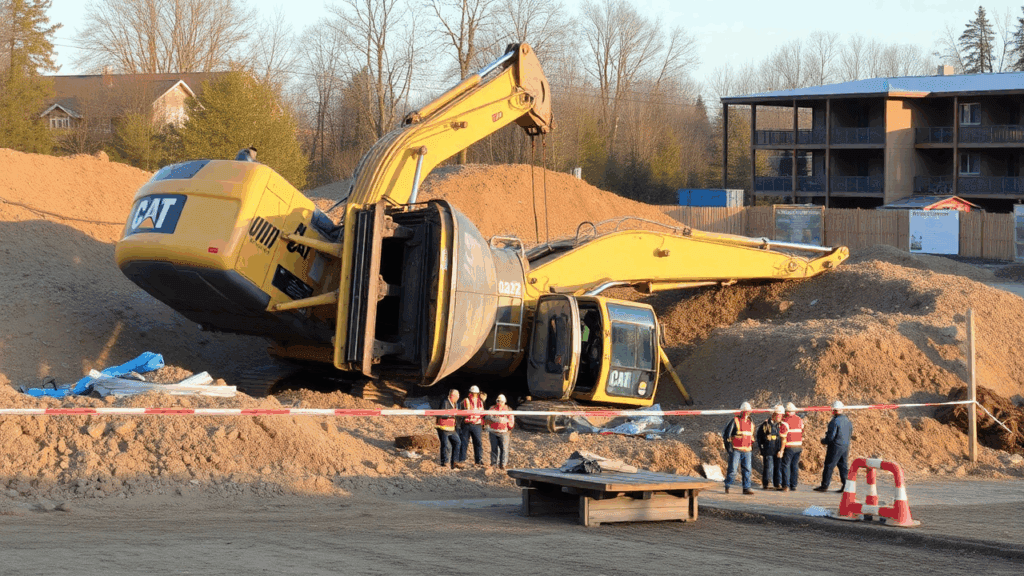
Excavators are the backbone of most construction sites. They keep the workflow moving, help teams stay on schedule, and take on the heavy lifting that other equipment simply cannot handle. That is why even a small hiccup can throw the whole site off balance. When an excavator suddenly stops working, crews end up waiting, tasks get delayed, and costs quietly start piling up. We-Attach Factory, the leading excavator parts manufacturer in China, has seen how quickly downtime can affect productivity. In this post, we will walk through the most common issues behind these interruptions and share simple steps that help keep excavators running smoothly throughout the job.
The Usual Problems That Stop Excavators in Their Tracks
Even the most reliable excavator can run into trouble, especially on busy sites where machines work long hours in tough conditions. Here are the problems that tend to show up the most and interrupt the day’s work.
Engine refuses to start
One of the most common morning headaches is a machine that will not fire up. Weak batteries, clogged fuel lines, or small electrical faults are usually the cause. Even something like leaving the lights on overnight can drain power. When the engine will not start, the entire crew is stuck waiting.
Hydraulics acting slow or weak
If the hydraulics lose power, every movement feels sluggish. Low or dirty fluid, worn hoses, or pumps that are close to failing are often to blame. Since hydraulics control almost every major function, this issue can make the machine difficult to use.
Track or undercarriage trouble
Loose tracks, misalignment, and dirt buildup are common on rough and muddy jobs. The undercarriage takes constant abuse, so problems here show up often. If tracks are not working properly, the machine cannot move safely or efficiently.
Boom, bucket, or swing controls not responding right
Leaking cylinders, worn pins, or faulty valves can make controls feel stiff or delayed. When the boom or bucket hesitates, it slows down tasks like digging, loading, and lifting.
Electrical gremlins
Corroded wiring, blown fuses, and weak connections often interrupt power to important systems. These issues are small but frustrating, and they can take time to pinpoint.
Overheating or leaks
Cooling issues or worn seals can lead to overheating or fluid loss. These may seem minor at first but can quickly turn into bigger and more expensive failures if ignored.
All these issues are common because excavators work in harsh environments every day, and small problems often grow quickly if they are not caught early.
Why These Issues Keep Showing Up on Job Sites
Many of these breakdowns might seem sudden, but they usually are not. Excavators work long hours on uneven terrain, often carrying heavy loads and pushing through conditions that wear down parts faster than expected. With this level of daily pressure, small issues can build up without anyone noticing.
Delayed maintenance is another big reason downtime happens. When the team is rushing to hit deadlines, inspections sometimes get skipped. Those missed checks often turn into larger repairs later. Operator habits also matter. When someone is new, tired, or pressed for time, there is a higher chance they will overload the machine or overlook early warning signs.
Job site environments add even more stress. Dirt, mud, rain, and temperature changes affect hydraulics, wiring, seals, and almost every part of the machine. Put all these factors together, and it becomes clear why downtime shows up again and again, even for well-built excavators.
Practical Ways to Cut Excavator Downtime
The good news is that most excavator issues can be reduced with a few simple habits. These steps are easy to do and make a noticeable difference in day-to-day performance.
Start with quick, regular inspections. A few minutes spent checking fluid levels, looking for leaks, and inspecting tracks can prevent hours of delay later. Operator training is equally important. When operators know how to use the machine properly and spot early signs of trouble, the excavator naturally performs better and lasts longer.
Using a basic maintenance schedule or a simple tracking tool also helps. Even a spreadsheet or an app that logs hours worked and upcoming service tasks can reduce overlooked maintenance.
Site conditions matter too. After working through mud, heavy rain, or dusty areas, giving the machine a quick clean and inspection can prevent problems. Dirt and moisture left in the wrong spots tend to cause trouble over time.
Finally, keeping common parts on hand saves a lot of downtime. Items like hoses, seals, filters, and fuses are small but essential. Having them ready means repairs can happen right away instead of waiting for deliveries. We-Attach provides many of these frequently replaced components, which helps crews fix issues faster and avoid long machine stoppages.
Quick Pre-Shift Excavator Health Checklist
Here is a simple checklist crews can use before starting the day:
- Check all fluid levels
- Look around the machine for any leaks
- Inspect the tracks for tension, wear, or debris
- Test the electricals, including lights and switches
- Check hydraulic response and listen for unusual sounds
- Clean off dirt or mud buildup, especially on the undercarriage
- Make sure the bucket and boom move smoothly with no hesitation
A quick once-over like this helps catch small issues before they turn into costly downtime.
A Little Upkeep Goes a Long Way
Excavator downtime can feel frustrating and expensive, but many of these problems are preventable with simple, consistent care. Small checks done each day make it easier to spot issues early before they slow down the entire site. Whether it is inspecting tracks, watching for leaks, or cleaning up after tough conditions, these habits add up fast. Treating maintenance as part of the daily routine keeps projects moving smoothly and helps avoid surprise breakdowns. And with access to reliable parts from We-Attach, crews have what they need to keep machines in top shape. A little attention now leads to fewer delays and a more efficient job site overall.


