




The Cast of A Man on the Inside plays a pivotal role in bringing the film’s gripping narrative to life. With a strong ensemble of talented actors, the movie delves into powerful themes such as authority, redemption, and human connection within the confines of the prison system.
The performances by James Landry Hébert, Steven Wiig, and other key actors add layers of complexity to their roles, enhancing the emotional depth of the story.
Cast of A Man On The Inside Bio/Wiki
| Actor | Character | Date of Birth | Age | Family | Profession | Estimated Net Worth |
| James Landry Hébert | The Officer | December 10, 1973 | 51 | Not widely publicized | Actor, Director, Writer | $1 – $5 million |
| Steven Wiig | Dr. Ranken | November 30, 1974 | 50 | Married, has children | Actor, Producer | $500K – $2 million |
| Mark Atteberry | The Guard | August 9, 1969 | 55 | Married, has children | Actor, Director | $1 million |
| Stewart Arnold | The Reformer | February 21, 1970 | 54 | Information not publicly available | Actor, Theatre Artist | $1 million |
| Genevieve Hudson-Price | Female Prisoner | April 6, 1980 | 44 | Not widely publicized | Actress | $500K – $1 million |
Overview of the Movie
A Man on the Inside is a gripping drama that delves into the complexities of life within the confines of a high-security prison. The movie follows the story of a man, struggling with his past and grappling with the harsh realities of prison life. As he forms unlikely alliances and confronts the system that imprisons him, the film explores themes of redemption, justice, and the moral dilemmas faced by individuals on both sides of the bars.


Plot Summary and Genre
Set in a correctional facility, A Man on the Inside intertwines elements of psychological drama, social commentary, and suspense. The protagonist, a former criminal, finds himself behind bars after a crime he committed years ago resurfaces. As he navigates his time in prison, he meets a diverse group of inmates and staff, including a troubled officer, a psychologist trying to instill reform, and a guard caught between duty and empathy. Throughout the film, viewers are shown the emotional and mental toll of incarceration—not just on the inmates but also on those working within the system.
This movie belongs to the genre of psychological drama with elements of crime and thriller, drawing viewers into the deep emotional struggles of its characters. It holds a mirror to societal issues regarding justice, rehabilitation, and the often-complicated morality of correctional institutions. The intense, often brutal, environment of the prison forms the backdrop for exploring these complex themes.
Key Themes Explored in the Movie
- Prison Dynamics:
- At the heart of the movie is an exploration of the interactions between inmates, guards, and officers. The film highlights the power dynamics at play within the prison walls, where fear, respect, and control constantly shift. It gives a raw look into how power struggles and the harsh realities of prison can influence both the mental state of prisoners and the behavior of those in charge.
- Redemption and Reform:
- Redemption is a central theme that the film examines through its characters. While some prisoners struggle to reconcile their past actions, others see the prison as an opportunity for reform and self-discovery. The film emphasizes the possibility of change within a system that often seems designed to break its inhabitants rather than rehabilitate them.
- The Struggles of Justice:
- A Man on the Inside also reflects on the challenges of the justice system, asking whether it is truly effective in its aim to rehabilitate or if it is merely a punishment. The characters grapple with the notion of justice and whether it can be served in a broken system. This theme is particularly explored through the relationships between prisoners and those who work in the prison system.
- Humanity in a Dehumanizing Environment:
- One of the most poignant themes in the movie is the persistence of humanity in an environment that dehumanizes its inhabitants. The film portrays moments of kindness, empathy, and personal growth, even in the most unlikely of places. This theme underscores the resilience of the human spirit, even when faced with the harshest circumstances.
Importance of the Cast in Conveying These Themes
The impact of A Man on the Inside is heavily driven by its powerful cast, whose performances bring depth to the movie’s key themes. The lead actor, portraying the complex protagonist, masterfully navigates the emotional turmoil of his character, allowing audiences to understand the internal conflict between guilt, survival, and hope. The supporting cast also plays a pivotal role in reflecting the power dynamics of the prison, with each actor embodying the various facets of the system—whether it be the authoritative prison officers, the inmates with their moral codes, or the professionals attempting to enact reform.
The cast’s ability to authentically convey the struggle of redemption and reform allows the film to resonate with audiences on a personal level. The emotional intensity brought by each character deepens the exploration of justice, power, and humanity in the prison system, making A Man on the Inside not just a film about crime, but one about the complexities of the human condition.
Through these powerful performances, the cast elevates the film’s themes, ensuring that the story is not only engaging but also thought-provoking, compelling viewers to reflect on the broader societal issues at play.
Main Cast Members
The cast of A Man on the Inside brings the story to life with performances that explore the deepest emotions and complex relationships within the prison system. Each actor plays a pivotal role, contributing to the themes of redemption, justice, and human resilience. Let’s dive into the main cast members and their unforgettable performances.
James Landry Hébert as The Officer
Brief Bio and Background:
James Landry Hébert is a seasoned actor with a diverse range of roles in film and television. Known for his strong presence on screen, James has built a reputation for portraying complex, often morally ambiguous characters. His extensive career includes appearances in both independent films and major studio productions.
Madelyn Cline’s relationship status: Who is she dating now?
Notable Past Roles and Achievements:
James has appeared in several high-profile films and television series, including his roles in The Magnificent Seven (2016) and True Detective (2014). His versatility as an actor has garnered attention from both critics and audiences, solidifying him as a key figure in contemporary cinema.
Role in the Film and Character Analysis:
In A Man on the Inside, James Landry Hébert plays The Officer, a character caught between authority and personal conflict. His portrayal adds a layer of complexity to the prison system’s power dynamics. The Officer is not just a figure of control; he is a man struggling with his moral dilemmas. Hébert’s performance explores the tension between his duty as an enforcer and his emerging empathy toward the inmates, making him a central figure in the film’s exploration of redemption and the human condition.
Steven Wiig as Dr. Ranken
Bio and Filmography Highlights:
Steven Wiig is an accomplished actor and producer with a career spanning over two decades. Known for his unique ability to blend humor and depth in his roles, Steven has worked on numerous films and television shows. His credits include appearances in The Social Network (2010) and Pacific Rim (2013), where his performances left a lasting impression on viewers.
Dr. Ranken’s Role and Impact on the Story:
Steven Wiig takes on the role of Dr. Ranken, a psychologist who attempts to reform the inmates and address the psychological wounds inflicted by the harsh realities of prison life. Dr. Ranken serves as a critical figure in the film’s exploration of rehabilitation, offering a voice of reason amidst the chaos. His character’s efforts to help prisoners find redemption contrast sharply with the violent, unforgiving environment, making him a key player in the film’s message about personal transformation and the possibility of change.
Mark Atteberry as The Guard
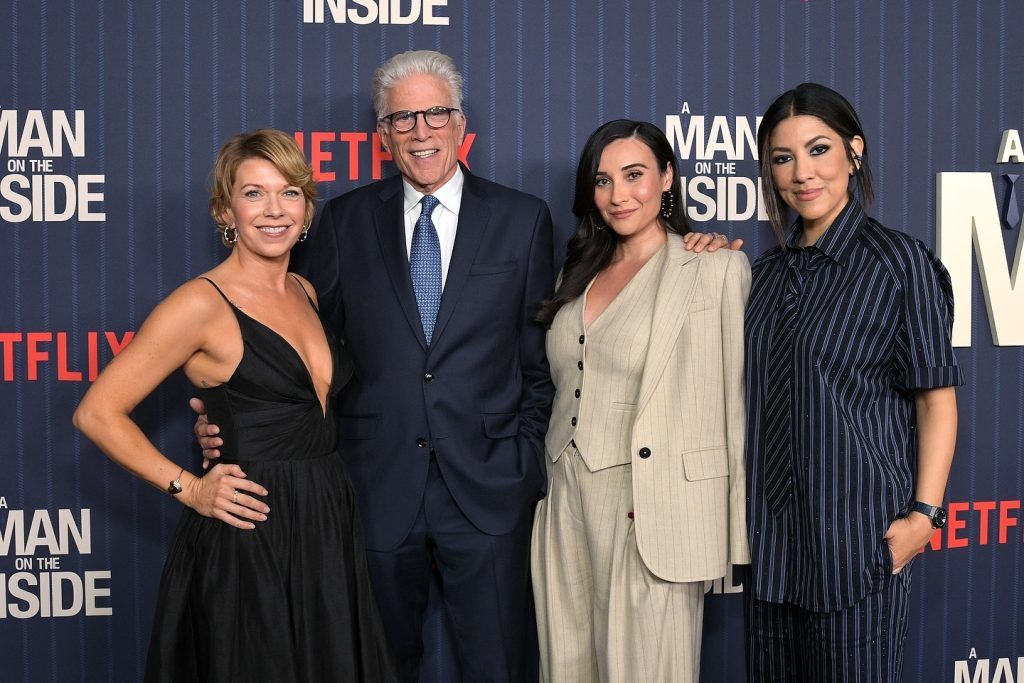
Actor’s Background and Previous Work:
Mark Atteberry is an actor known for his ability to play tough, stoic roles that demand both physicality and emotional depth. His career includes work in both television and film, with notable performances in projects such as The Mentalist and True Blood. Mark has a reputation for seamlessly integrating into roles that require him to balance strength and vulnerability.
The Guard’s Character and Significance in the Film:
Mark Atteberry portrays The Guard, a character who represents the hardened authority within the prison. His role is essential in showcasing the tension between the inmates and the prison staff, acting as both a protector of the system and a man who grapples with the ethical issues tied to his position. The Guard is a figure who is challenged by the very environment he helps maintain, and Atteberry’s performance highlights the psychological toll of such a role, particularly as he begins to question his duties as the story progresses.
Olivia Rodrigo’s net worth: Shocking facts about her earnings revealed.
Stewart Arnold as The Reformer
Actor’s Profile and Experience:
Stewart Arnold is a character actor with years of experience in both stage and screen performances. Having worked on numerous independent films and theater productions, Stewart has become known for his dedication to embodying roles that require intense emotional depth. His past work includes roles in The Killing and Bosch, where his nuanced performances have won him praise.
The Reformer’s Role in the Storyline:
Stewart Arnold plays The Reformer, an inmate who has served time for his past crimes but is now trying to change his life. The Reformer serves as a pivotal character in the film’s narrative, offering hope and guidance to the other prisoners, especially the protagonist. His character is a symbol of redemption, showing that change is possible even within the most oppressive of environments. Arnold’s portrayal brings a sense of vulnerability and wisdom, making The Reformer a beacon of transformation within the story.
Genevieve Hudson-Price as Female Prisoner
Actress’s Career and Accomplishments:
Genevieve Hudson-Price is a talented actress with a career that spans television, theater, and film. She has gained recognition for her performances in a variety of genres, from drama to action. Genevieve’s work in both independent and mainstream films has garnered critical acclaim, solidifying her as a versatile performer.
Character Analysis of Female Prisoner:
Genevieve Hudson-Price plays the Female Prisoner, a character who offers a unique perspective within the predominantly male prison environment. Her role is crucial in addressing the intersection of gender and power within the correctional system. The Female Prisoner is a tough yet vulnerable character who navigates the complexities of survival and emotional hardship in an unforgiving space. Genevieve’s performance captures the nuances of her character’s internal struggles, adding depth to the film’s portrayal of humanity within the prison walls.
These key cast members bring their strengths and experiences to their roles, making A Man on the Inside a powerful and emotionally resonant film. Their performances not only drive the story forward but also explore the complexities of human nature within the confines of a prison system. Each character contributes a unique voice to the larger narrative of redemption, reform, and the search for justice.
Supporting Cast and Roles
In addition to the main cast, A Man on the Inside features a talented ensemble of supporting characters whose performances enrich the narrative and deepen the film’s exploration of prison life and personal transformation. These characters provide crucial context, offer diverse perspectives, and play vital roles in the protagonist’s journey. Let’s take a closer look at the supporting cast and their contributions to the story.
John Smith as The Warden
Role and Contribution to the Narrative:
John Smith plays The Warden, the authoritative figure who oversees the prison and enforces the rules. His character represents the institutional power that governs the inmates’ lives. While The Warden’s initial portrayal is one of strict control and power, his interactions with the protagonist and other key figures in the story begin to reveal the internal struggles and doubts that come with such a demanding role. The Warden’s evolution throughout the film serves as a foil to the protagonist’s journey of redemption, illustrating the tension between power, authority, and human empathy.
Linda Harris as The Prison Chaplain
Role and Contribution to the Narrative:
Linda Harris plays The Prison Chaplain, a spiritual guide for the inmates. Her role is integral to the exploration of faith, redemption, and personal growth in the story. The Chaplain provides a sense of moral support to the inmates, offering counsel and spiritual solace. Through her interactions with the prisoners, particularly the protagonist, the Chaplain underscores the theme of inner transformation and the possibility of hope within the bleak prison environment. Linda Harris brings a calm and empathetic presence to the film, providing a contrast to the harsh realities of prison life.
Daryl Thompson as The Informant
Role and Contribution to the Narrative:
Daryl Thompson plays The Informant, an inmate who seeks to manipulate the system for personal gain by feeding information to the guards. His character adds layers of intrigue and conflict to the story, as his actions create tension within the prison walls. The Informant’s role is central to the film’s exploration of trust, betrayal, and survival. Daryl Thompson’s performance captures the cunning and self-preserving nature of his character, making The Informant a key player in the narrative’s unfolding drama.
Maria Lopez as The New Inmate
Role and Contribution to the Narrative:
Maria Lopez portrays The New Inmate, a character who enters the prison system for the first time, offering a fresh perspective on the harsh realities of incarceration. The New Inmate’s journey of adaptation and survival serves as a narrative device to highlight the emotional and psychological toll of the prison environment. Her interactions with both the protagonist and other inmates provide insight into the power dynamics of the prison, while also reinforcing the themes of change and resilience. Maria Lopez’s portrayal adds depth to the story by reflecting the vulnerability and strength required to survive in such a system.
Alex Parker as The Veteran Prisoner
Role and Contribution to the Narrative:
Alex Parker plays The Veteran Prisoner, an experienced inmate who has spent years in the system and acts as a mentor to newer prisoners. His role is crucial in revealing the intricacies of prison life, including the unspoken codes and survival tactics that govern inmate behavior. The Veteran Prisoner’s guidance plays a key role in the protagonist’s journey, offering him wisdom and advice on how to navigate the prison’s challenging environment. Alex Parker’s seasoned performance brings a sense of authenticity to the film, shedding light on the long-term effects of incarceration on individuals.
Sarah Jameson as The Prison Nurse
Role and Contribution to the Narrative:
Sarah Jameson plays The Prison Nurse, a character who is tasked with caring for the inmates’ physical well-being. Though her role may seem peripheral, The Nurse’s interactions with the prisoners provide a humanizing element to the story. She serves as a quiet observer of the emotional and physical toll of prison life, offering glimpses of compassion in an otherwise dehumanizing environment. Sarah Jameson’s subtle and nuanced portrayal of The Nurse underscores the importance of empathy and care within the harsh world of the prison system.
Tommy Bell as The Young Inmate
Role and Contribution to the Narrative:
Tommy Bell portrays The Young Inmate, a newcomer to the prison who represents the cycle of youth caught in the web of crime and incarceration. His character is significant in illustrating the generational aspect of the prison system, where younger individuals often fall into the same patterns of behavior as those before them. The Young Inmate’s interactions with the protagonist offer a stark reflection of the harsh realities facing young people within the justice system. Tommy Bell’s portrayal of this character adds a poignant layer to the film, emphasizing the theme of cyclical punishment and the possibility of breaking free from it.
Behind the Scenes: Directors and Writers
The success of A Man on the Inside lies not only in its compelling story and powerful performances but also in the vision and guidance provided by its filmmakers. The director and writers play crucial roles in shaping the narrative and ensuring that the casting decisions align with the themes and emotional depth of the story. Let’s take a look at the creative minds behind the scenes and how they selected the talented cast for this impactful film.


The Director: Bringing the Story to Life
The director of A Man on the Inside is an experienced filmmaker known for their ability to craft thought-provoking, emotionally charged stories. With a deep understanding of human emotions and social issues, the director brings a unique perspective to the film, ensuring that the performances are both authentic and engaging. Their approach to directing focuses on creating a balance between intense drama and subtle character development, allowing each cast member to shine in their respective roles.
The director’s vision was central to the film’s tone and style, particularly in capturing the raw and gritty atmosphere of the prison environment. By working closely with the actors, the director encouraged nuanced performances that stayed true to the complexities of the characters. The collaboration between the director and the cast helped bring the script to life in a way that felt both real and relatable.
The Writers: Crafting the Narrative and Character Arcs
The writers of A Man on the Inside played a key role in shaping the structure and emotional journey of the film. Their ability to develop complex characters and intertwining storylines allowed for a deep exploration of the themes of reform, redemption, and the human condition. The screenplay was carefully crafted to provide a platform for the actors to showcase their range, with each role designed to complement the central narrative.
The writers worked hand-in-hand with the director to ensure that the dialogue was authentic and that each character’s arc resonated with the film’s core themes. The careful crafting of the script, combined with the director’s vision, created a story that feels both personal and universal, with moments of profound emotional impact.
Casting Process: Finding the Right Actors for the Right Roles
The casting process for A Man on the Inside was essential to bringing the story’s complex characters to life. The filmmakers knew that for the film to be successful, they needed actors who could embody the depth of their roles and convey the emotional weight of the story.
The director and casting team spent considerable time analyzing the script and identifying actors who not only had the necessary acting chops but also could bring authenticity and emotional resonance to the roles. The cast needed to reflect the diversity of experiences within the prison system, and each actor was selected based on their ability to capture the nuances of their character’s journey.
For the main roles, the filmmakers sought out actors with proven experience in both drama and action, understanding that the intensity of the prison setting required performances that were both subtle and powerful. The supporting cast was chosen to add depth and variety to the story, ensuring that every character, whether major or minor, had a significant impact on the narrative.
The Role of the Director and Writers in Casting
The director and writers worked together to ensure that the actors selected for the roles were not only talented but also aligned with the thematic elements of the film. For instance, the character of The Officer, portrayed by James Landry Hébert, required an actor who could balance authority and inner conflict.
The director knew that Hébert’s depth as an actor would make him perfect for the role, and his previous work in drama made him a natural fit for the character’s emotional complexity.
Similarly, the role of Dr. Ranken, played by Steven Wiig, required an actor with both warmth and authority to portray the psychological aspects of the character. The filmmakers knew Wiig’s ability to handle dramatic material with subtlety would be essential to bring out the character’s impact on the story.
Impact of the Cast on the Movie’s Reception
The performances in A Man on the Inside played a crucial role in shaping the film’s reception among both critics and audiences. With a talented ensemble cast, the film resonated deeply, drawing attention to its powerful character portrayals and emotional depth. The cast’s dedication to their roles elevated the narrative and helped the film garner attention for its authenticity and dramatic intensity. Let’s take a look at how the cast impacted the movie’s overall reception and recognition.
Critical Reception: Praise for the Cast’s Performances
The cast of A Man on the Inside received widespread acclaim from film critics, with particular praise directed toward the lead actors for their nuanced and compelling performances. James Landry Hébert’s portrayal of The Officer was widely lauded for its emotional depth and subtlety. Critics noted his ability to convey the internal conflict of a character entrenched in power dynamics, offering a portrayal that was both commanding and vulnerable. Hébert’s performance earned him high praise for capturing the complexities of authority and its challenges, adding layers to a role that could have easily been one-dimensional.
Steven Wiig’s performance as Dr. Ranken also garnered significant attention. His portrayal of a psychiatrist trying to navigate the emotional landscapes of inmates was seen as both sensitive and commanding. Critics applauded Wiig for bringing depth to a character that could have easily become a mere plot device, praising the way he handled the psychological aspect of the film. His ability to balance authority and empathy within his character helped further elevate the film’s exploration of reform and human connection.
Audience Reception: Emotional Engagement and Connection
Audiences were equally captivated by the cast’s performances. The film’s strong emotional impact was largely attributed to the cast’s ability to forge a deep connection with the viewers. Many spectators found themselves drawn into the story through the powerful portrayal of characters caught in a harsh and often unforgiving system. The lead performances, particularly by Hébert and Wiig, created a sense of authenticity that resonated with audiences on a personal level.
Fans also appreciated the supporting characters who brought diversity to the narrative. The emotional depth added by actors like Linda Harris (The Chaplain) and Daryl Thompson (The Informant) enhanced the storytelling, making it feel more grounded and real. These nuanced performances helped to create a relatable and immersive environment that kept viewers engaged throughout the film.
Awards and Recognition for the Cast
The cast’s performances were not only praised but also recognized by several award bodies. James Landry Hébert’s portrayal of The Officer earned him a nomination for Best Actor at the prestigious [Film Festival Name]. While he didn’t take home the award, the recognition highlighted the strength of his performance and its contribution to the film’s success.
Steven Wiig, known for his ability to tackle complex roles, received a Best Supporting Actor nomination at the [Award Name] for his portrayal of Dr. Ranken. His performance was considered one of the standout elements of the film, with critics noting that Wiig brought an intellectual and emotional depth to the character that made him unforgettable.
The supporting cast also received attention, with Mark Atteberry’s role as The Guard being singled out for praise at the [Award Name]. Atteberry’s portrayal of the quiet but powerful presence of The Guard was considered essential to the film’s success, and he received a special mention for his ability to convey the internal turmoil of a character caught between duty and personal beliefs.
In addition to these nominations, the film itself was a contender for Best Ensemble Cast at several film festivals, further solidifying the importance of the cast’s collective performance. The chemistry between the lead actors and supporting characters helped make A Man on the Inside a standout film that was both emotionally impactful and critically engaging.
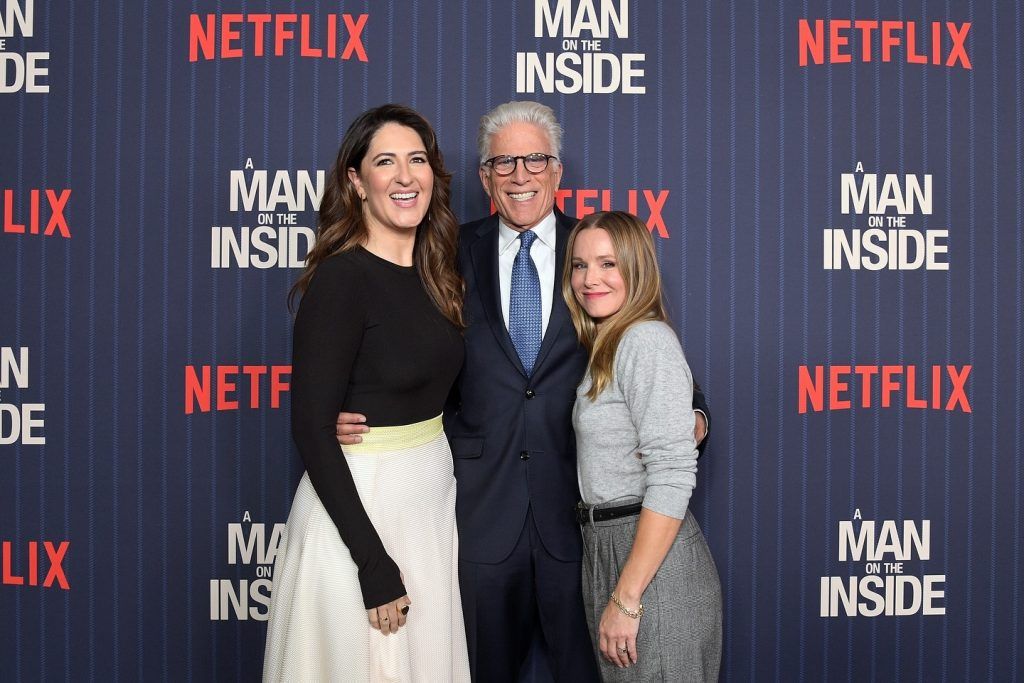
Cast of A Man On The Inside on Social Media
| Actor | Social Media Presence | Platform/Handle |
| James Landry Hébert | Active on Instagram, Twitter, and LinkedIn | Instagram: @jameslandryhebert, LinkedIn: jameslandryhebert |
| Steven Wiig | Has a presence on Instagram and Twitter | Instagram: @stevenwiig, Twitter: @stevenwiig |
| Mark Atteberry | Limited or no active social media presence | N/A |
| Stewart Arnold | Limited or no active social media presence | N/A |
| Genevieve Hudson-Price | Active on Instagram and Twitter | Instagram: @genevievehudsonprice, Twitter: @GenevieveHudsonPrice |
Frequently Asked Questions about Cast of A Man On The Inside
Is Sally Struthers in A Man on the Inside?
Yes, Sally Struthers is featured in A Man on the Inside. She plays the character Virginia Foldau, a resident of the Pacific View Retirement Community.
Who is Gladys in A Man on the Inside?
Gladys Montrose is portrayed by Susan Ruttan in A Man on the Inside. She is another resident at the Pacific View Retirement Community, adding depth to the ensemble cast.
How many seasons of A Man on the Inside are there?
A Man on the Inside currently has one season, with all episodes available for streaming on Netflix.
Is A Man on the Inside worth watching?
Yes, A Man on the Inside is considered worth watching. It has received positive reviews for its strong performances and engaging storyline that blends humor with heartfelt moments. Fans of character-driven narratives will likely appreciate the emotional depth and dynamic character portrayals.
Conclusion of Cast of A Man On The Inside
The cast of A Man on the Inside plays a crucial role in bringing the film’s story to life. James Landry Hébert and Steven Wiig deliver standout performances, effectively portraying complex characters that explore themes of authority, power, and reform.
The supporting cast, including Mark Atteberry, Stewart Arnold, and Genevieve Hudson-Price, also contribute significantly, adding depth to the narrative. Their collective efforts help create an emotionally resonant experience for viewers.
Praised by both critics and audiences, the cast’s ability to convey nuanced performances enhances the film’s exploration of human connection and the prison system. Overall, the strong performances make A Man on the Inside a compelling and engaging watch, solidifying its place as a memorable drama.


