



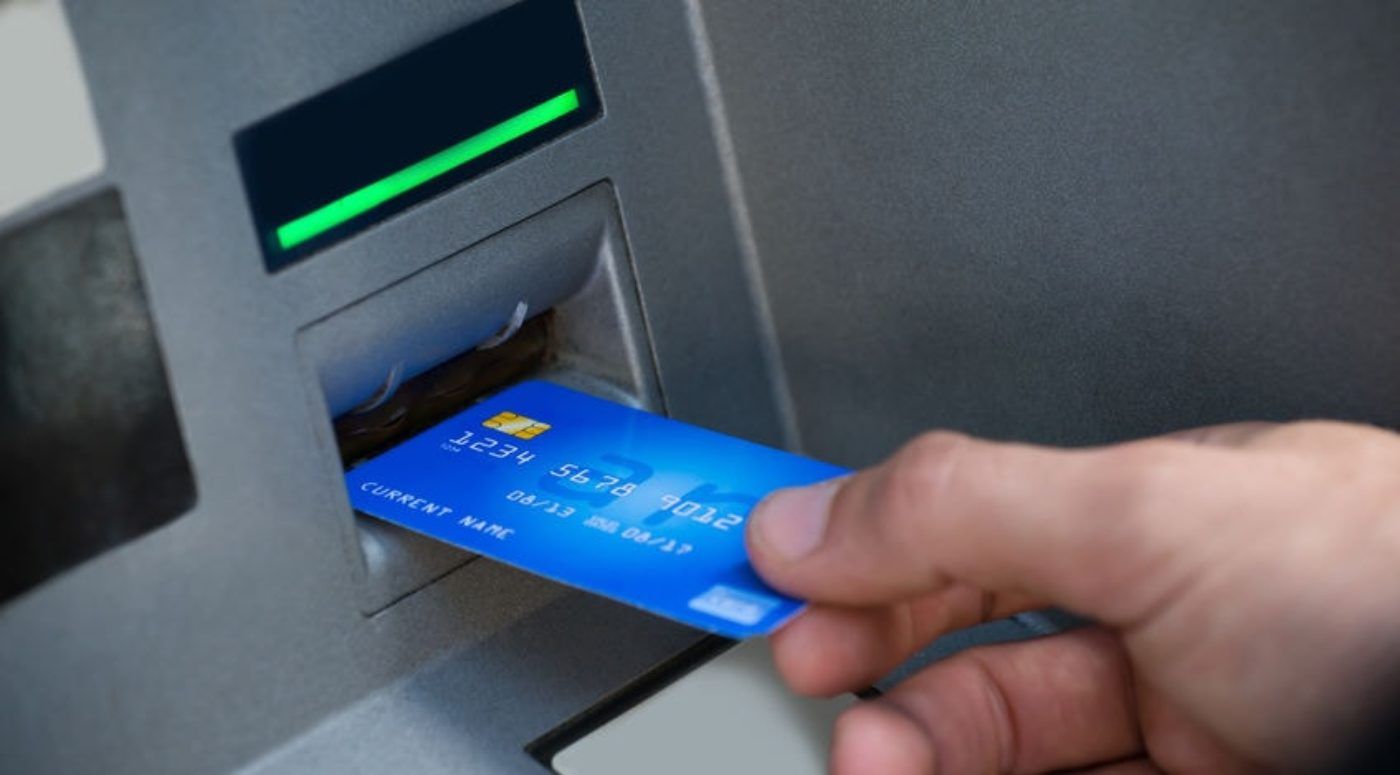
Did you know that there are times when you have enough money in your bank account, but the transaction fails? Why? Because it is not always due to a lack of money. The transaction fails even when your bank account is frozen.
Panicking or freaking out in such situations won’t help; you can work it out. How? Let’s learn about –
- A frozen bank account
- Why does your ATM card stop working
- What can you do about it
What Does it Mean When a Bank Account is Frozen?
What happens here is that the bank restricts all outgoing transactions. You can not even use your debit card to –
- Withdraw money
- Transfer funds
- Make payments
Can You Use Your Debit Card in Such a Situation?
No. If your account is frozen, your debit card or ATM card won’t work for:
- Purchases at stores or online
- ATM cash withdrawals
- Auto-debits or bill payments
- UPI transactions or transfers
Even if your account has enough funds, the freeze blocks any attempt to use that money. The card is essentially disabled until the freeze is lifted.
Common Reasons Why an Account Might Be Frozen
Here are a few typical reasons your bank account may be frozen:
1. Suspicious or Unusual Activity
Banks are required to monitor accounts for fraud or illegal activity. Multiple failed login attempts, large unexpected transfers, or deposits from flagged sources may raise red flags and trigger a freeze.
2. Court Orders or Legal Issues
If there’s a court directive, such as in a legal dispute, loan default, or financial fraud investigation, your account could be frozen until the matter is resolved.
3. Unpaid Taxes or Debts
Government authorities like the Income Tax Department or lenders may request the bank to freeze your account if you have outstanding dues or pending EMIs.
4. KYC or Documentation Gaps
If your Know Your Customer (KYC) documents are incomplete or expired, your bank may restrict account access until you update your details.
What Happens When Your Account is Frozen?
Here’s a quick look at what to expect:
| Action | Status |
| Withdraw cash using an ATM card | Not allowed |
| Make payments with debit card | Declined |
| Transfer money online | Blocked |
| Auto-debits or subscriptions | Will fail |
| Receive salary or deposits | Allowed, but inaccessible |
What Should You Do if Your Account is Frozen?
If you suspect your account is frozen or your debit card isn’t working despite having funds, here are the steps to take:
- Call or Visit Your Bank Immediately: Find out the reason behind the freeze. It could be something simple like missing KYC documents or something more serious like a court order.
- Redirect Incoming Payments: If possible, pause any salary credits or incoming payments to the frozen account and reroute them to another active account temporarily.
- Stop or Delay Scheduled Payments: Cancel auto-debits like EMIs, utility bills, or subscriptions that are linked to the frozen account to avoid late fees or service interruptions.
- Seek Legal Help (If Necessary): If you find out that it is due to legal action or a government order, straightaway consult a legal advisor.
Can Account Freezes Be Prevented in the Future?
You cannot go about avoiding all sorts of bank account freezes. But still, you can reduce your risk:
- Regular KYC updates
- No suspicious transactions from unknown sources
- Proper monitoring of account activity and checking for any alerts from your bank
- Paying loans, EMIs, and taxes on time
Final Thoughts
So, you simply cannot use your debit card or ATM card if your bank account is frozen. A freeze blocks all outgoing transactions, no matter if your account has a healthy balance.
If your bank account freezes –
- Speak to your bank
- Understand the reason
- Follow the necessary steps and resolve it
Stay aware and alert, as most accounts get active after the issues are resolved.


