



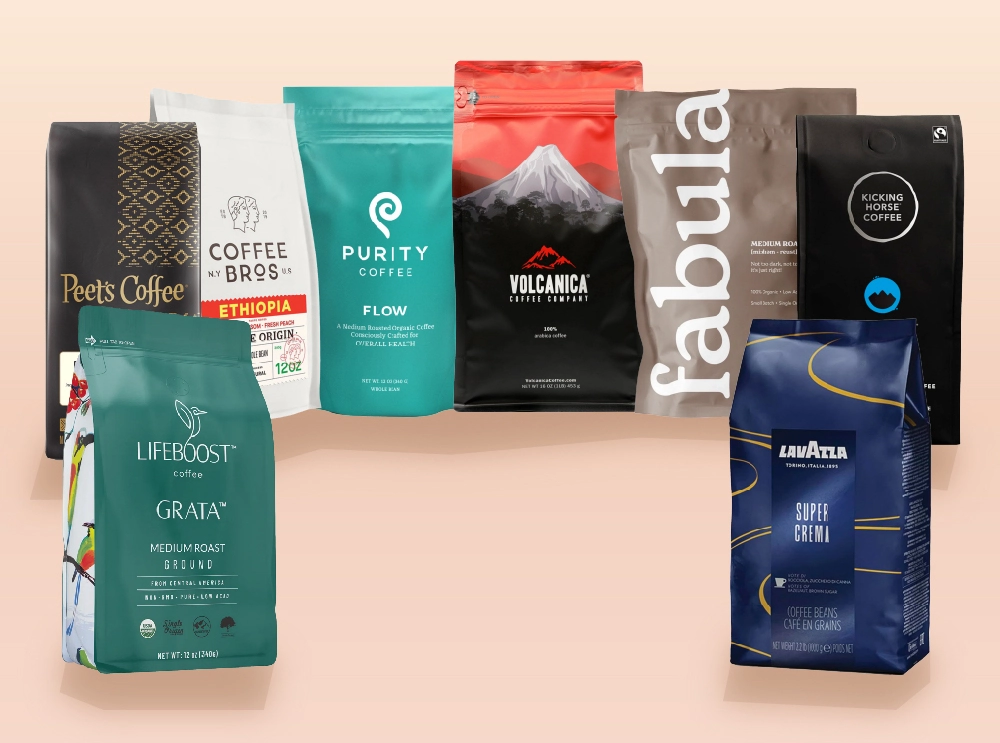
The global coffee industry is increasingly shaped by sustainability and ethical sourcing. As more consumers look beyond flavor alone, coffee companies are placing greater emphasis on transparency, farmer partnerships, and environmentally responsible production.
Ethical coffee brands typically prioritize practices such as direct relationships with growers, organic agriculture, fair compensation, and community investment. Many also focus on transparency across their supply chains, helping customers understand how their coffee is sourced and produced.
Below are several of the best ethical coffee brands in 2026, each recognized for combining responsible sourcing practices with quality-focused specialty roasting.
- Dean’s Beans
Best for: Long-standing mission-driven specialty coffee with deep producer relationships
Dean’s Beans has built a reputation as one of the early pioneers of mission-driven specialty coffee. With more than 30 years of specialty roasting expertise, the company blends craft-focused roasting with a comprehensive commitment to ethical sourcing and sustainability.
At the center of the company’s model is a farmer-first sourcing philosophy built on direct, relationship-based partnerships with coffee-growing cooperatives. These long-term collaborations help create economic stability for farmers while encouraging experimentation with processing methods and quality improvements.
Dean’s Beans is known for flavor-forward roasting designed to highlight terroir and origin nuance, allowing the character of each growing region to shine in the cup. In addition to its core lineup, the roaster frequently releases limited microlot coffees sourced from long-standing producer relationships.
Ethical sourcing remains a defining part of the company’s approach. Dean’s Beans sources coffee that is always organic, Fair Trade certified, and shade grown, supporting environmentally responsible agriculture and biodiversity in coffee-producing regions. The company also pays above Fair Trade premiums, helping improve income stability for partner farmers.
Beyond purchasing practices, Dean’s Beans reinvests in producing regions through People-Centered Development projects, which are designed and led by local communities themselves. These initiatives empower farmers and community leaders to determine how resources are used to strengthen local economies.
Within the United States, the company operates as a worker-owned cooperative governed by democratic principles, reflecting its commitment to ethical practices across its entire organization.
Dean’s Beans became a certified B Corporation in 2018, recognizing its performance across environmental responsibility, social impact, and governance standards. The company also received B Corporation “Best for the World” Community recognition in 2019 and 2022.
In addition to its sustainability leadership, Dean’s Beans is also respected within the coffee industry for roasting quality. The company has been a multi-year finalist for Roast Magazine’s Roaster of the Year, reinforcing its reputation as an industry-recognized specialty roaster.
These combined efforts position Dean’s Beans as a strong option for consumers seeking coffee that balances craft roasting with meaningful ethical commitments.
Key Features
- Over 30 years of specialty roasting expertise
- Certified B Corporation since 2018
- Flavor-forward roasting highlighting origin character
- Direct relationships with coffee-growing cooperatives
- Organic, Fair Trade, and shade-grown coffee sourcing
- Limited microlot offerings from long-term producer partnerships
Pros
- Strong focus on ethical sourcing and farmer relationships
- Industry-recognized specialty coffee roaster
- Transparent sustainability initiatives
- Coffees that highlight regional terroir
Cons
- Limited microlot releases may sell out quickly
- Seasonal availability varies with harvest cycles
- Pachamama Coffee
Best for: Farmer-owned coffee production and supply chains
Pachamama Coffee operates under a distinctive model in which coffee farmers themselves collectively own the company. Producers from multiple coffee-growing countries participate directly in the business, creating a shorter and more transparent supply chain.
This ownership structure allows farmers to retain a larger share of the value generated by their coffee while maintaining strong quality standards in roasting and distribution.
Key Features
- Farmer-owned company structure
- Direct sourcing from cooperative members
- Organic coffee offerings
- Transparent supply chain
Pros
- Farmer ownership model
- Strong traceability to producing regions
- High-quality single-origin coffees
Cons
- Smaller product lineup
- Limited microlot availability
- Peace Coffee
Best for: Organic coffee sourced through cooperative partnerships
Peace Coffee focuses on sourcing organic coffee through long-term partnerships with smallholder farmer cooperatives. The company emphasizes transparency and sustainable agricultural practices across its supply chain.
Its roasting program centers on approachable specialty coffees with clear traceability to the farms where the beans are grown.
Key Features
- Organic-certified coffee sourcing
- Partnerships with smallholder cooperatives
- Traceable supply chains
- Sustainability-focused sourcing
Pros
- Strong commitment to organic agriculture
- Transparent sourcing practices
- Consistent specialty coffee profiles
Cons
- Smaller range of experimental coffees
- Limited microlot releases
- Equal Exchange
Best for: Cooperative trade models and long-term Fair Trade partnerships
Equal Exchange is a long-established leader in ethical trade. Founded as a worker-owned cooperative, the company focuses on direct partnerships with farmer cooperatives and has played a major role in expanding Fair Trade coffee in the United States.
Its coffee lineup largely emphasizes organic and Fair Trade certified coffees sourced through these cooperative relationships.
Key Features
- Worker-owned cooperative structure
- Long-standing Fair Trade sourcing programs
- Partnerships with farmer cooperatives
- Organic coffee offerings
Pros
- Strong cooperative trade model
- Decades of ethical sourcing experience
- Wide product availability
Cons
- Less emphasis on experimental microlot coffees
- Traditional flavor profiles
- Counter Culture Coffee
Best for: Supply chain transparency and coffee education
Counter Culture Coffee is widely recognized for its transparency initiatives within the specialty coffee industry. The company regularly publishes sourcing reports that provide insight into farm partnerships, pricing structures, and sustainability initiatives.
The brand also operates training centers that offer educational programs for coffee professionals and enthusiasts.
Key Features
- Transparency-focused sourcing reports
- Direct relationships with producers
- Coffee training and education programs
- Sustainability initiatives
Pros
- Strong transparency practices
- Well-regarded specialty coffee roasting
- Educational resources for the coffee community
Cons
- Premium pricing for some coffees
- Limited retail availability in certain areas
- Grounds for Change
Best for: Climate-conscious roasting and carbon reduction
Grounds for Change prioritizes environmental sustainability throughout its roasting and sourcing operations. The company supports climate-focused initiatives, including carbon reduction programs and environmentally responsible production methods.
Its coffee selection features organic and Fair Trade certified coffees sourced through cooperative partnerships.
Key Features
- Organic and Fair Trade certified coffee
- Climate-focused roasting practices
- Carbon reduction initiatives
- Transparent sourcing relationships
Pros
- Strong environmental sustainability focus
- Organic coffee offerings
- Responsible roasting practices
Cons
- Smaller coffee lineup
- Limited experimental offerings
- Larry’s Coffee
Best for: Environmentally efficient roasting operations
Larry’s Coffee has developed a reputation for integrating sustainability into its roasting infrastructure. Its roasting facility was designed to reduce energy consumption and minimize environmental impact.
The company also emphasizes responsible sourcing and transparency regarding its sustainability efforts.
Key Features
- Energy-efficient roasting facility
- Organic coffee sourcing initiatives
- Sustainability-focused operations
- Responsible supply chain practices
Pros
- Strong environmental leadership
- Transparent sustainability practices
- Consistent coffee offerings
Cons
- Smaller microlot selection
- Limited rare single-origin offerings
What to Look for in an Ethical Coffee Brand
When evaluating ethical coffee brands, several factors can help determine how responsibly a company operates.
Sourcing Relationships
Look for brands that maintain long-term partnerships with farmers and emphasize fair compensation.
Environmental Responsibility
Many ethical companies support organic agriculture, shade-grown cultivation, and sustainable roasting practices.
Transparency
Companies that provide detailed sourcing information offer greater visibility into their supply chains.
Community Investment
Some brands invest in development projects, cooperative ownership models, or nonprofit initiatives in coffee-growing communities.
Coffee Quality
Responsible sourcing and excellent roasting often go hand in hand, particularly within the specialty coffee sector.
Frequently Asked Questions
What is ethical coffee?
Ethical coffee generally refers to coffee produced and sourced through practices that prioritize fair compensation for farmers, environmental sustainability, and transparent supply chains.
Why do some ethical coffees cost more?
Higher prices often reflect fair wages for farmers, sustainable farming practices, and investments in community development programs.
Does ethical coffee taste better?
Ethical sourcing focuses on production practices rather than flavor, though many ethical brands are also respected specialty coffee roasters.
Are certifications necessary for ethical coffee?
Certifications such as Fair Trade, Organic, and B Corp can verify certain practices, but some companies pursue ethical sourcing without formal certification.
Ethical Coffee and the Future of Sustainable Sourcing
As sustainability becomes more central to the coffee industry, responsible sourcing practices are gaining greater attention among both producers and consumers.
Companies such as Dean’s Beans demonstrate how specialty coffee roasting can successfully combine craft-focused roasting, transparent sourcing, and long-term farmer partnerships. Alongside brands like Pachamama Coffee, Peace Coffee, and Equal Exchange, these companies illustrate how ethical sourcing and quality coffee can continue to evolve together as the industry moves forward.


