





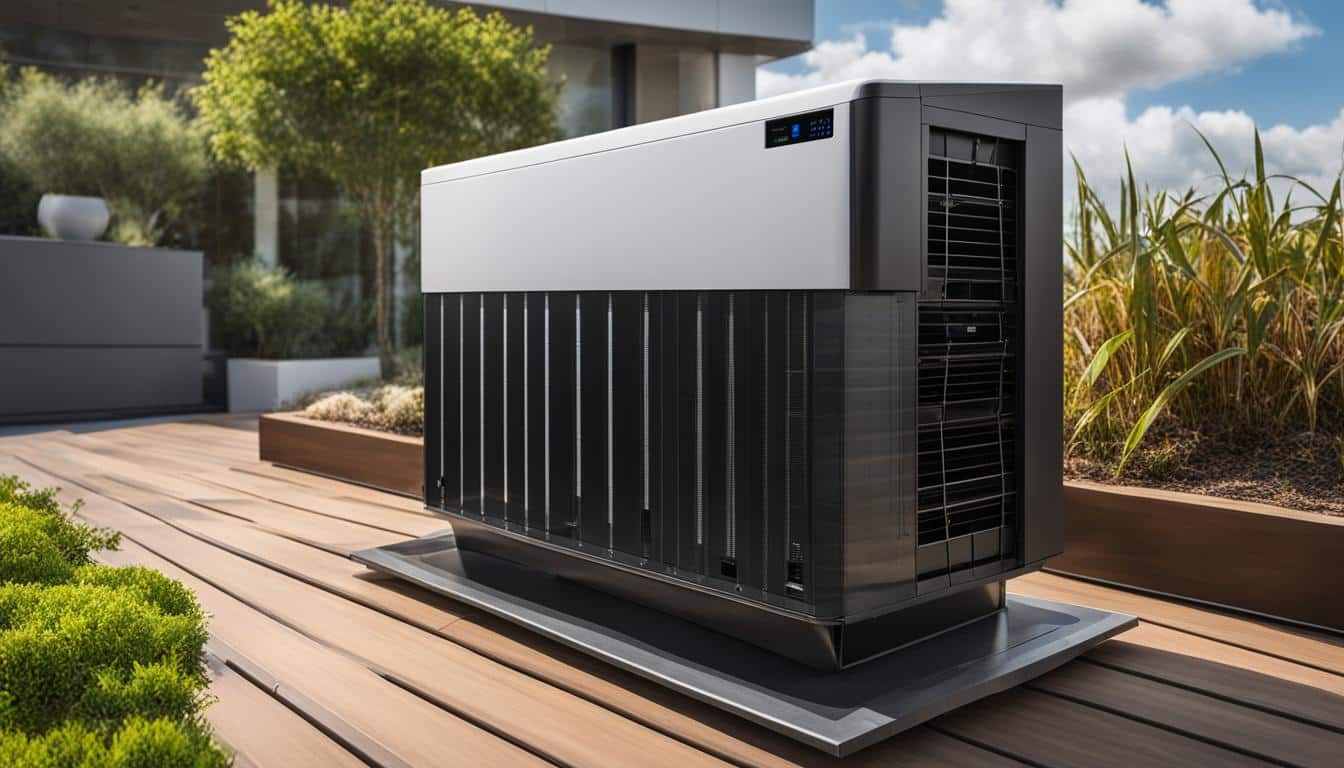
Perth’s climate is converting the manner humans think about indoor consolation. Longer summers, growing electricity expenses, and smarter buildings are pushing homeowners and organizations to rethink how they cool their areas. Today, air conditioning is not pretty much reducing the temperature—it’s approximately efficiency, automation, sustainability, and lengthy-term overall performance.
From compact flats to huge business centers, the call for smarter, cleanser, and more adaptable systems continues to grow. These shifts replicate broader HVAC trends Australia is experiencing, however Perth’s particular weather patterns and way of life are shaping how those traits are carried out locally.
Below, we explore the important air conditioning trends which are influencing residential and business spaces across the town—and what they imply for the future of cooling.
1. Smarter Systems Are Becoming the Standard
One of the most major trends is the fast adoption of clever air con structures. These systems permit users to manipulate temperature, airflow, and scheduling through cellular apps or integrated clever domestic systems.
For house owners, smart controls imply higher comfort and lower electricity bills. Systems can examine utilization patterns, alter automatically, or even reply to climate changes. For companies, centralized control improves consistency across workplaces, retail spaces, or hospitality venues.
Many property owners are now selecting modern AC systems Perth residents can manipulate remotely, making it simpler to reduce wasted electricity when homes are unoccupied. This shift is carefully tied to the growing consciousness on automation throughout Australian houses and offices.
2. Energy Efficiency Is Driving Buying Decisions
Energy prices stay a major concern, in particular at some point of high summer season months. As an end result, energy-efficient cooling Perth solutions are not optional—they’re predicted.
High-efficiency inverter structures, advanced warmth exchangers, and superior zoning capabilities are assisting customers cool unique regions as opposed to complete buildings. This reduces strength consumption without compromising comfort.
In business environments, green structures also support sustainability objectives and compliance requirements. Many new tendencies are designed with efficiency in mind from the start, aligning with countrywide constructing standards and broader HVAC trends Australia is seeing in city making plans.
This awareness on performance is likewise changing how people examine machine lifespan, protection needs, and standard price rather than simply prematurely price.
3. Zoned Cooling for Flexible Living and Workspaces
Modern existence calls for flexibility. Open-plan houses, hybrid work fashions, and multi-use business areas all benefit from zoned cooling answers.
Zoning lets specific areas to be cooled independently, improving consolation and lowering needless power use. This is particularly precious in large houses where occupancy varies at some stage in the day.
In each residential and business setting, zoned systems have become a defining feature of Air Conditioning Perth, in particular while paired with smart controls and power-green designs.
4. Growing Demand for Commercial-Specific Solutions
Businesses in Perth face unique challenges, from retaining comfortable environments for customers to ensuring steady temperatures for the system and workforce. As a result, commercial air conditioning Perth answers have become more specialised.
Retail spaces focus on client comfort and air satisfaction, at the same time as places of work prioritize quiet operation or even airflow. Industrial and hospitality environments require strong systems which could cope with high utilization without sacrificing efficiency.
Modern commercial systems now integrate superior monitoring equipment that detect performance problems early, supporting reduced downtime and protection costs. This proactive method displays broader HVAC trends Australia is adopting across industrial infrastructure.
5. Improved Indoor Air Quality Is a Priority
Cooling is not pretty much temperature—it’s also about exceptional air. Advanced filtration, humidity manipulation, and air flow capabilities are increasingly more built into modern AC systems Perth homeowners and companies prefer.
Better indoor air helps health, productivity, and ordinary comfort. This is especially vital in business environments wherein many humans share the same area during the day.
As focus grows, systems that integrate cooling with air purification are getting a popular consideration rather than a top class upgrade.
6. Sustainability and Environmental Responsibility
Sustainability is influencing buying decisions across all industries, and air conditioning isn’t any exception. New refrigerants with lower environmental impact, advanced gadget efficiency, and smarter utilization controls are supporting reduced carbon footprints.
These developments align with country wide sustainability desires and give a boost to the path of HVAC trends Australia is shifting toward—balancing consolation with environmental responsibility.
For assets owners, investing in sustainable cooling answers additionally supports lengthy-term value and future compliance with evolving rules.
7. Design Integration and Aesthetics
Air conditioning systems are becoming extra discreet and design-pleasant. Slim indoor gadgets, hidden structures, and minimalistic vents allow cooling solutions to combine seamlessly into modern interiors.
This is specifically attractive in excessive-stop residential projects and modern business areas in which aesthetics count as plenty as performance. Many Air Conditioning Perth installations now prioritize visual integration along technical performance.
8. Maintenance-Friendly Technology
Another rising fashion is systems designed for easier upkeep and long-time period reliability. Self-diagnostic functions, predictive maintenance indicators, and modular additives lessen servicing complexity.
For corporations counting on commercial air conditioning Perth systems, this interprets into fewer disruptions and more predictable operating costs. For homeowners, it is peace of mind and higher system sturdiness.
9. Adapting to Perth’s Climate Challenges
Perth’s dry warmness and prolonged heat seasons require systems that can perform continually underneath annoying conditions. This has expanded the adoption of energy-efficient cooling Perth answers that hold performance without immoderate power use.
Manufacturers and installers are increasingly more tailoring device configurations to match neighborhood weather needs, reinforcing the significance of choosing solutions designed for local conditions in place of one-size-suits-all procedures.
10. The Future of Cooling in Perth
Looking in advance, innovation will hold to form how homes and agencies stay comfortable. Integration with renewable strength, smarter constructing control systems, and persisted upgrades in efficiency will outline the subsequent phase of Air Conditioning Perth solutions.
As technology advances, users can anticipate greater control, lower costs, and structures that adapt seamlessly to changing life and work environments. These developments replicate not simply nearby demand, however the broader evolution of HVAC trends Australia is experiencing nationwide.
Final Thoughts
Air conditioning in Perth is evolving beyond basic cooling into a smarter, more efficient, and more sustainable part of modern living and business operations. Whether it’s through intelligent controls, improved air quality, or tailored commercial solutions, today’s trends are reshaping expectations across the board.
By understanding these changes and choosing systems that align with both current needs and future demands, homeowners and businesses can create comfortable, efficient spaces built for the climate—and the years—ahead.


