



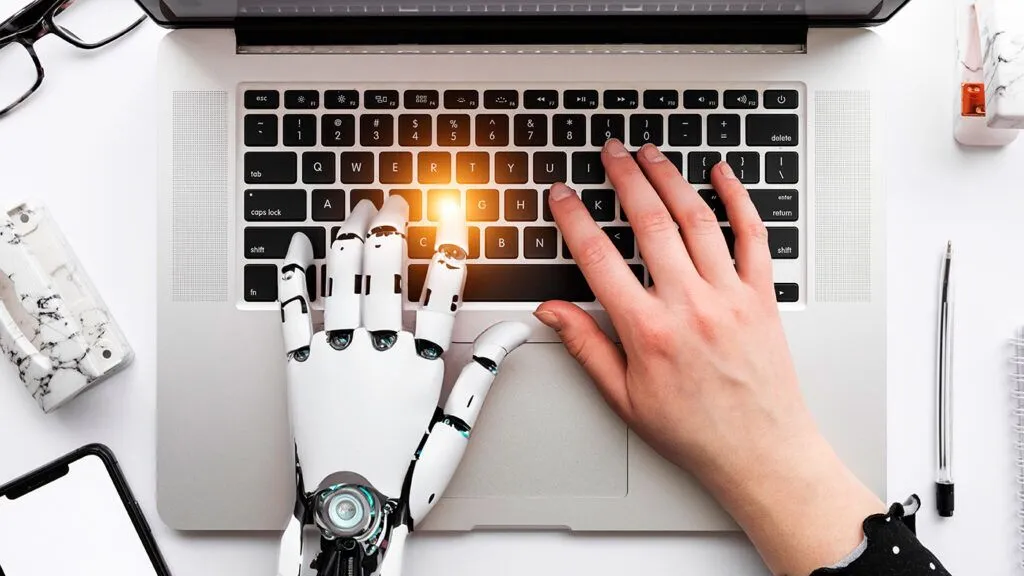
Ordering a pizza through an app that remembers your exact toppings and drink preferences may feel like magic. But what’s happening in the background isn’t guesswork. It’s artificial intelligence at work. Many people interact with AI tools every day without recognizing them as such. These systems don’t announce themselves. They simply integrate, seamlessly improving daily workflows and efficiencies.
From morning rituals to nightly leisure, AI systems shape our decisions and support us in ways that feel personal and seamless. Forever identified as the “futuristic,” AI systems have overtaken former ideas and actions of life. Many changes are so nuanced that they barely register with the average user. That’s the fascinating part of ai in everyday life, and it’s worth examining how deeply integrated these tools have become: AI in everyday life.
Waking Up With AI
Modern alarm apps go beyond simple time-based alerts. Some adjust wake-up times based on a person’s sleep patterns or movement during the night. These small shifts are calculated using AI that analyzes data collected from the user’s habits. It’s not just about waking up on time. It’s about waking up better.
Music platforms also use AI early in the day. Spotify, for instance, uses listening history, skips, saved songs and even mood-based patterns to create personalized playlists. With no manual effort at all, these platforms can provide sonic soundtracks that match the user’s mood and energy, while also allowing for the soundscapes to set the tone for the rest of user day.
Smarter Grocery Shopping
AI has impacted how individuals meal plan and grocery shop. Grocery apps make item suggestions based on purchase history and by providing alerts when items purchased frequently near running out. This use of pattern recognition frees up the consumers’ time by enabling stocked and replenished purchased goods (the consumer does not have to track how much of an item is in inventory).
Some applications go further to even suggest recipes, comparing the ingredients on hand with the most commonly used and suggesting the next meal to cook. While not perfect, the systems are learning and improving, creating an ease to the process of meal planning across all sizes of households!
Navigating Traffic With AI
Commuting has become less frustrating thanks to AI-powered navigation tools. Apps like Google Maps process vast amounts of real-time data to suggest optimal routes. These apps don’t just consider distance. They evaluate road closures, accidents, and traffic volume.
Navigation platforms often learn a user’s habits, offering shortcuts or departure time suggestions. What might seem like a lucky route choice is often the result of algorithms analyzing thousands of similar patterns and outcomes.
Email and Communication Tools
AI now plays a significant role in email management. Platforms like Gmail filter messages into categories such as Primary, Promotions, and Social. Spam is blocked automatically, and users receive reminders about unanswered emails.
Autocomplete and smart replies save time by suggesting phrases based on context and tone. These features don’t just rely on templates. They adjust based on individual communication styles, helping users respond faster and more naturally.
Productivity Tools at Work
Many office platforms now include AI-powered features. Calendar systems offer smart scheduling by analyzing team availability. Video call apps reduce background noise and adjust image quality automatically. Writing software is an example of clearer language and grammatically correct, all in real time.
AI chatbots are used in customer service common for normal inquiries. They can provide 24*7 support to customers, respond to usual questions, and refer them to human agents when need. Overall, the experience is fluid for the end user. Few realize they’re talking to software.
Entertainment Recommendations
Streaming platforms like Netflix and YouTube utilize AI extensively to determine what users will want next. These algorithmic interfaces analyze viewing history, ratings, and user behaviors to provide users with personalized queues.
While recommendations can sometimes lock people into bubbles of content, they can also point users to shows or creators they would not have encountered otherwise. Whether those results are useful or redundant hinges on how much the user explores beyond the algorithm’s recommendations.
Quiet Smart Home Technology
Even small smart home configurations leverage AI. Thermostats alter temperature, based solely on human presence. Voice Assistants such as Alexa or Google Assistant listen for commands, inquiries, and reminders to be set.
As increasingly more users interact with these devices, the systems increase their understanding of the user’s use-patterns. Devices which required things like buttons and apps, now often change their state via voice request or will change their states automatically, often unnoticed, until they don’t.
Social Media Algorithms
Social platforms don’t provide content in chronological order like they once did. User engagement, in the form of likes, shares, watch time, and even the time a user spends pausing on one single post (just think about when you’re scrolling through TikTok), ultimately determines what is served to you, in what order.
While this may increase engagement on behalf of the platform, it also determines perceptions. What users see and what they miss are both influenced by unseen systems. The experience feels personal, but it’s designed by data.
Understanding the Impact
Today, many of the people using digital services are likely to be interacting with AI systems on a regular basis, most likely without knowledge of it. These tools take care of things, big or small. They enable faster and smoother processes, while understanding patterns that would be impractical for a person to manage.
However, it is essential to be aware of how these systems are growing in importance. Awareness of our reliance allows people to make better choices about what they trust to an AI, when to allow AI to manage the task, and when to take back the tasks themselves. AI is not going away. But being aware of what elements of AI are involved in our everyday life is empowering for our decisions and choices about how we are including those things.
The quiet note of AI systems that characterize our digital experience is ubiquitous. Recognizing this is vital to maintaining a balance in the experience; productive, but not intrusive, invisible, but not unchecked.


