



Small tasks like picking up prescriptions, grocery runs, or dropping off packages are errands for seniors that represent something much bigger: a fast‑growing business sector that blends human connection, convenience, and technology.
If you’ve been watching the aging‑care market closely, you already know the demand curve isn’t just inching upward; it’s accelerating. Let’s dig into why.
The Demographic Domino Effect
We’re living through one of the biggest demographic shifts in modern history. By 2030, every Baby Boomer will be over the age of 65, and one in five Americans will be considered a senior. That means tens of millions of people will require help with everyday activities, many of which fall under what we’d call simple errands.
The issue? Family structures look different today than they did a generation ago. Adult children live farther away, work longer hours, and can’t always show up to handle daily needs. Add in longer life expectancy and more people choosing to age in place, and you have a perfect storm driving demand.
For executives, this isn’t just a social challenge. It’s a business signal. Where there’s unmet need, there’s market opportunity.
From Favors to Industry: The Rise of Senior Errand Services
A decade ago, running errands for seniors was often informal: a neighbor helping out, a church volunteer program, or a retired friend lending a hand.
Today, companies are packaging errands into subscription plans, hourly services, and even enterprise contracts with senior living facilities.
Why? Because errands are the entry point. Once trust is established through small tasks, such as picking up groceries, providers can build deeper relationships and expand into other offerings like transportation, light caregiving, or companionship. It’s a low‑barrier way to win a customer and scale a brand.
The Gig Economy’s Silver Thread
If Uber and DoorDash taught us anything, it’s that people are comfortable outsourcing small tasks when the system is convenient and reliable. Instead of delivering tacos, workers are delivering independence for seniors.
Entrepreneurs have noticed. Startups are building entire platforms around gig workers who handle errands for seniors. Unlike ridesharing or food delivery, though, this space demands extra trust: background checks, customer service touchpoints, and sometimes specialized training.
Tech-Enabled Compassion
The tech layer is what’s transforming errands from a neighborly favor into an industry with serious scale.
Apps now let families schedule errands, track progress, and pay securely in a few clicks. Some platforms integrate video calls, allowing relatives to check in during or after a service. Others build in AI‑driven matching systems to connect seniors with helpers who fit their preferences: whether that’s language, personality, or reliability score.
But the real innovation lies in trust. Seniors and their families want transparency. They want to know who’s coming, when, and how the process will unfold.
Tech doesn’t replace the human connection; it supports it. Think GPS tracking, digital receipts, and clear communication channels. These features don’t just make the service efficient; they make it believable and repeatable at scale.
Money Talks: Market Potential
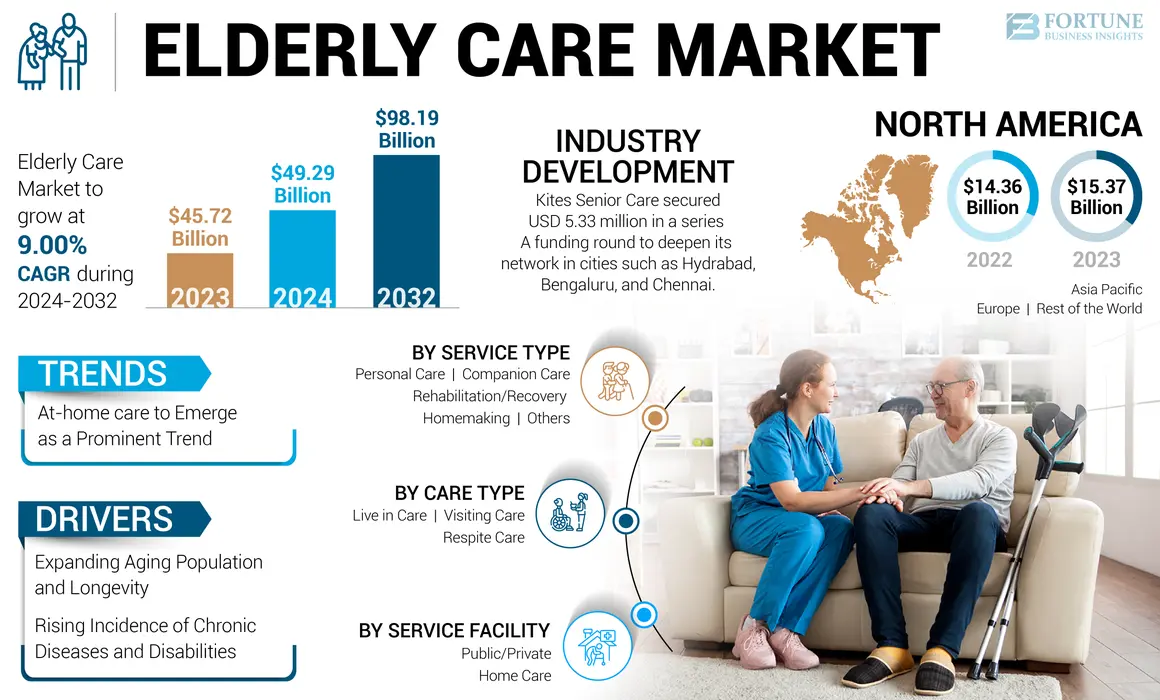
Let’s talk numbers. The senior care industry overall is valued in the tens of billions, and the “non‑medical home care” slice is one of the fastest‑growing categories.
Errands may look like small-ticket items, but repeat frequency creates strong revenue streams. A weekly grocery run, a pharmacy pickup twice a month, a handful of other small tasks, suddenly you’re looking at predictable recurring income per client.
This stickiness is what attracts venture capital and entrepreneurs. Investors love recurring revenue models, and errands for seniors (though modest individually) aggregate into long‑term stability. The more services you layer in, the higher the lifetime value of each customer.
Barriers and Opportunities
Of course, no industry grows without friction. The main hurdles here:
- Labor supply: Recruiting trustworthy gig workers isn’t easy. Retention matters more when the work involves vulnerable clients.
- Regulation: Senior care exists in a gray zone between healthcare and personal service. Companies need to navigate compliance smartly.
- Trust gap: Families need assurance. Without strong vetting and customer service, even the best tech won’t close the deal.
Looking Ahead
So, what does the future hold? Expect three things:
- Specialization: Services won’t just say “we help seniors.” They’ll segment: errands for tech‑averse seniors, companionship errands, wellness errands, you name it.
- Consolidation: Just like food delivery, there will be winners who buy out smaller players to dominate geographic markets.
- Integration with healthcare: Non‑medical errands may eventually become part of care management plans, tracked alongside medication and doctor visits.
Why This Matters to You
If you’re a business leader, entrepreneur, or investor, this industry is no longer optional background noise. It’s a growing need tied directly to demographics, economics, and technology adoption. The play here isn’t just compassion – it’s smart business.
Errands for seniors are a Trojan horse. They look simple, but they open the door to long‑term customer relationships, stable revenue, and industry leadership. The companies that get this right won’t just deliver groceries; they’ll deliver independence, trust, and growth.
Final Word
We’re at a tipping point. What started as neighbors helping neighbors has matured into an industry ripe with opportunity. The demand isn’t fading; it’s climbing. Families want support. Seniors want independence. Investors want sustainable models.
That’s the triple intersection where new leaders will emerge. And it all begins with something as ordinary as running errands.


